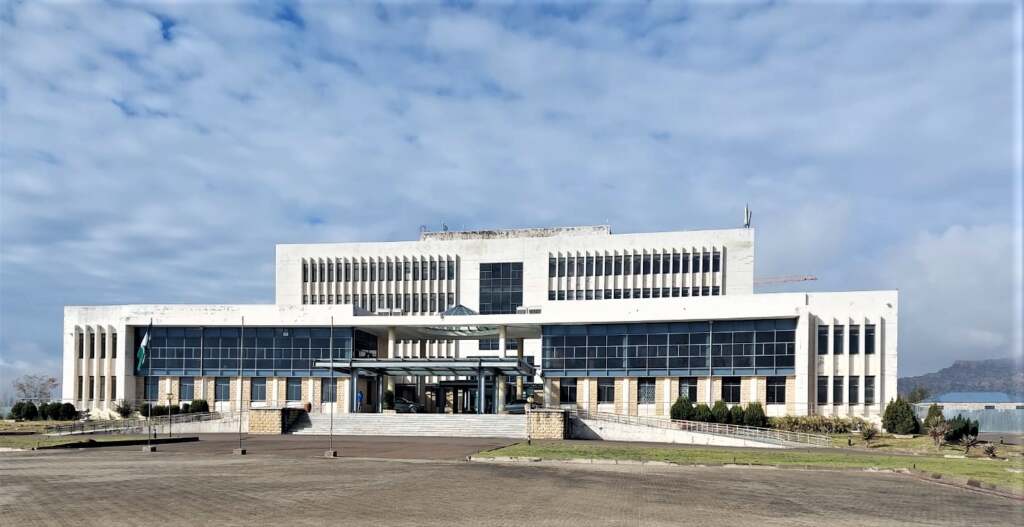

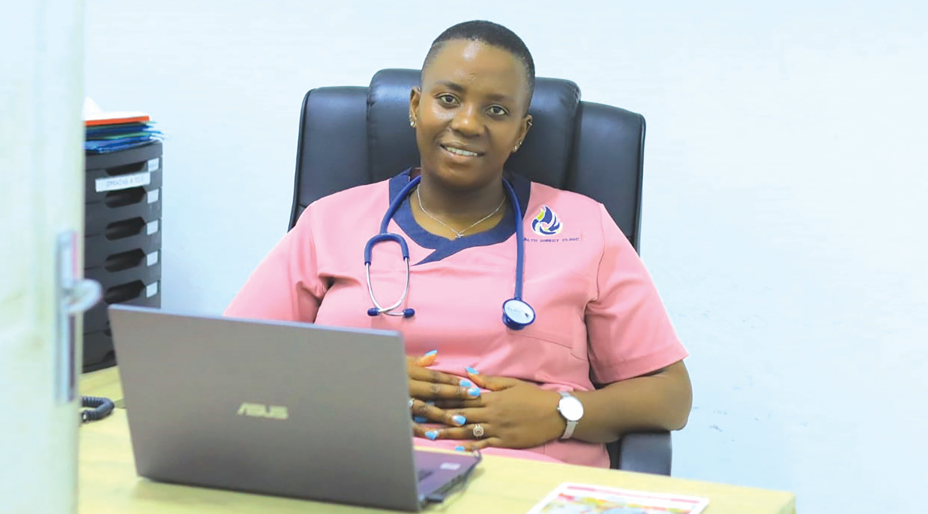
A local public health specialist, ‘Mamonica Mokhesi, has submitted a formal petition to the National Assembly calling for urgent amendments to Lesotho’s Labour Act of 2024, arguing that the current maternity leave provisions fail to adequately protect women who experience medical complications such as premature birth or stillbirth.
In her petition, Mokhesi contends that while the Labour Act represents progress in strengthening maternity protection, it contains critical gaps that leave some women without sufficient time for physical recovery and emotional healing.
Under the current law, maternity leave is divided into two components: leave taken before birth and leave taken after delivery.
Section 191 requires a pregnant worker to notify her employer of her anticipated confinement by submitting a medical certificate indicating that delivery is likely to occur within seven weeks. Upon receipt of such notice, the employer must permit the worker to stop working until confinement and may not allow her to return to work until seven weeks after delivery.
The law further requires that within seven days after giving birth, a worker must submit a medical certificate confirming the date of confinement.
Mokhesi, however, argues that this framework fails women who give birth earlier than expected. According to the petition, mothers who deliver prematurely often lose the entire pre-birth portion of their maternity leave.
“In practice, women who deliver prematurely receive only the post-delivery portion of leave,” the petition states. “Much of that time is frequently spent in hospital or attending to neonatal care, leaving the mother with little or no time for her own physical and emotional recovery once she returns home.”
The petition also raises concern over Section 191(7) of the Labour Act, which grants only three weeks of maternity leave to women who experience a stillbirth.
“A worker is entitled to three weeks maternity leave upon birth of a still born,” the law provides.
Mokhesi argues that this provision is medically and ethically problematic.
From a health perspective, she notes, the physical impact of childbirth on a woman’s body is largely the same regardless of whether the baby is born alive or stillborn. In addition, the psychological trauma of losing a child, she says, cannot reasonably be addressed within a three-week recovery period.
“Women must never be punished by law for loss, trauma, or medical complications,” Mokhesi stated in her appeal to the Speaker of the National Assembly.
The petition calls on parliament to review and amend the Labour Act to ensure that mothers receive their full statutory maternity leave even when a baby is born prematurely; that women who experience stillbirth are entitled to the same length of leave as those with live births; and that the law explicitly recognises premature delivery and stillbirth as conditions requiring full medical and psychological protection.
Mokhesi also urges lawmakers to align Lesotho’s labour laws with international human rights and labour standards, including the Convention on the Elimination of All Forms of Discrimination against Women (CEDAW) and relevant International Labour Organisation (ILO) conventions.
She argues that by failing to provide adequate recovery time for women who suffer pregnancy loss or medical complications, the current law may unintentionally discriminate against women based on their medical outcomes. Such discrimination, she says, runs counter to constitutional principles of dignity and humane treatment.
The petition is currently before the Office of the Clerk and the Speaker of the National Assembly for consideration. If accepted, it could trigger a significant legislative review, potentially reshaping maternity protection in Lesotho and making workplaces more responsive to the realities faced by mothers.
Mokhesi’s advocacy is supported by international legal frameworks that Lesotho has committed itself to uphold. CEDAW, often described as the international bill of rights for women, prohibits discrimination based on women’s reproductive roles and requires states to provide maternity protection that safeguards both employment and health. The petition argues that offering reduced leave for stillbirths may place Lesotho at odds with these standards.
The ILO’s Maternity Protection Convention (No. 183) sets a global minimum of 14 weeks of maternity leave and emphasises that maternity leave is primarily a health measure. International best practice, reflected in ILO guidance, recommends that where a birth occurs prematurely, any leave not taken before delivery should be added to the post-birth period to ensure adequate recovery.
Labour unions have also engaged with the issue. The National Clothing Textile and Allied Workers Union (NACTWU) has indicated openness to supporting the petition. Deputy Secretary General Tsépang Nyakanyaka Makakole said the union would be willing to back Mokhesi’s advocacy and contribute to shaping proposals for reform.
“If Mokhesi reached out to the workers’ unions, we would give her support during this advocacy and share ideas on how best this issue can be approached,” Makakole said.
He cautioned, however, that the original intent of the law must be considered. According to Makakole, pre-birth leave is currently viewed as a protective measure against strenuous work, while post-birth leave is seen as time for childcare. On the issue of stillbirth, he suggested that a more medically guided approach may be necessary.
“They will need to go back to the doctors who will determine if there is necessity for women to be given more leave days after assessing their condition,” he said.
Summary
- A local public health specialist, ‘Mamonica Mokhesi, has submitted a formal petition to the National Assembly calling for urgent amendments to Lesotho’s Labour Act of 2024, arguing that the current maternity leave provisions fail to adequately protect women who experience medical complications such as premature birth or stillbirth.
- From a health perspective, she notes, the physical impact of childbirth on a woman’s body is largely the same regardless of whether the baby is born alive or stillborn.
- The petition calls on parliament to review and amend the Labour Act to ensure that mothers receive their full statutory maternity leave even when a baby is born prematurely.

Ntsoaki Motaung is an award-winning health journalist from Lesotho, specializing in community health stories with a focus on sexual and reproductive health and rights, as well as HIV. She has contributed to platforms like “Be in the KNOW,” highlighting issues such as the exclusion of people with disabilities from HIV prevention efforts in Lesotho.
In addition to her journalism, Ntsoaki serves as the Country Coordinator for the Regional Media Action Plan Support Network (REMAPSEN). She is also a 2023 CPHIA Journalism Fellow.