

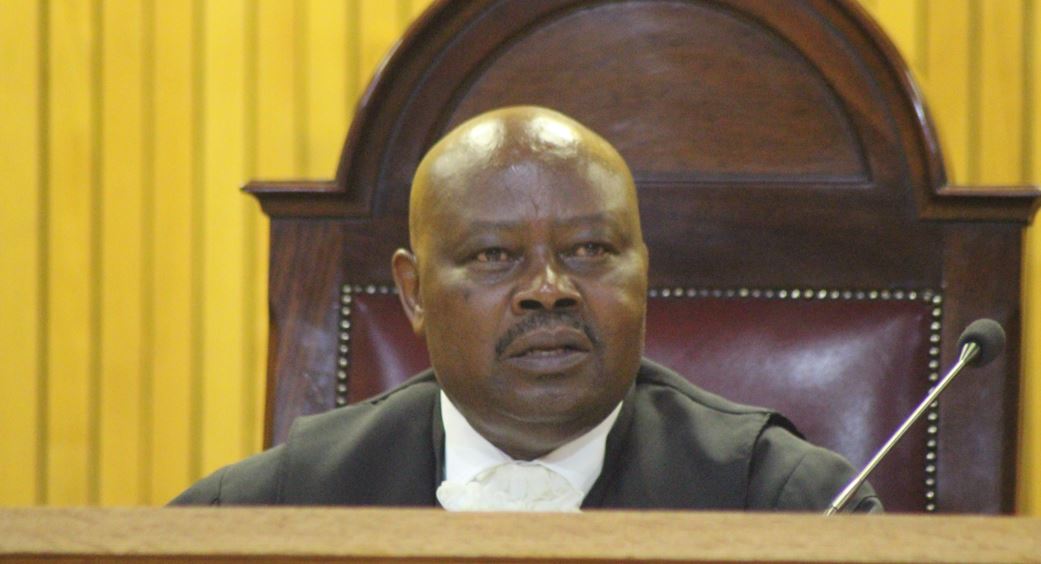
Chief Justice Sakoane Sakoane has expressed serious concern over the poor performance of the Magistrates’ Courts, particularly the low rate of case disposal.
Sakoane said he will engage Chief Magistrates to address the situation and ensure accountability within the subordinate courts.
The Chief Justice made these remarks during the official opening of the High Court earlier this week at the Palace of Justice.
“Judicial independence and accountability are non-negotiable. Judicial officers must be free to decide matters without interference from political actors, economic interests, or popular pressure,” he said.
He emphasised that independence must be matched with responsibility.
“The flip side of judicial independence is accountability to litigants through the timely delivery of rulings and judgments. Judges and magistrates account only through their judgments—judgments that are clear, reasoned, timely, and anchored in the law.
“Delayed judgments weaken public confidence in the justice system and bring the judiciary into disrepute. Disciplinary measures are therefore appropriate and necessary to ensure accountability.”
Justice Sakoane warned that corruption and unethical conduct within the courts erode public trust and undermine the moral authority of the judiciary.
“As Head of the Judiciary, I will not shield wrongdoing. Accountability and disciplinary mechanisms exist in the Constitution and the Codes of Ethics, and they will be applied without fear or favour. Integrity is not optional; it is the cornerstone of a fair, clean, and transparent judiciary.”
However, he also cautioned against what he described as unsubstantiated attacks on judicial officers, particularly rumours intended to influence court outcomes.
“Unfounded allegations and the peddling of rumours of corruption undermine confidence in the judiciary,” he said.
The Chief Justice acknowledged systemic challenges facing the courts, including congested rolls, delays, and procedural inefficiencies that deny litigants timely resolution of disputes. To address these issues, he said the judiciary has introduced new rules, including the Judicial Commissioner’s Court Rules of 2025 and the Criminal Procedure and Evidence Rules, which are expected to be gazetted before the end of this month.
He further announced that the rules will be translated into Sesotho to ensure wider public access and understanding.
“The efficiency of courts is measured by how effectively they handle cases within a reasonable time, without sacrificing fairness and quality. Well-managed cases take significantly less time to conclude. One of the clearest indicators of case management is the time taken to deliver rulings and judgments,” he said.
Turning to performance statistics, Justice Sakoane revealed that Magistrates’ Courts received a total of 9,530 cases. Of these, 8,457 were allocated, while only 4,919 were disposed of, representing a 51 percent decline compared to previous years.
In the central region, 4,669 cases were received, 4,592 allocated, and 3,193 disposed of. The southern region received 1,322 cases, allocated 1,580, and disposed of only 451. In the northern region, 3,539 cases were received, 2,285 allocated, and 1,275 disposed of.
“This is disturbing because the majority of people seek justice in the subordinate courts,” said the Chief Justice. “Chief Magistrates will be held accountable. The Bench–Bar Committee will conduct a study and submit a diagnostic report with recommendations for corrective action.”
By contrast, Justice Sakoane reported improved performance in the superior courts. The Court of Appeal registered 106 cases, allocated 98, and completed 86. The High Court (Main Division) registered 1,474 cases, with 1,090 completed. The Labour Appeal Court registered 47 cases and completed 33, while the Commercial Division completed 718 cases out of 612 registered. The Northern Division registered 525 cases and completed 293.
In total, superior courts registered 2,704 cases, allocated 810, and completed 2,139, an improvement from the previous year, which he attributed to effective case management.
He further highlighted progress in the disposal of criminal trials at the High Court.
“Sixty-nine criminal trials were completed, compared to 30 in 2024. This represents an increase of 130 percent,” he said.
Justice Sakoane noted that firm sentencing in criminal cases plays an important role in deterring crime and restoring public confidence.
“These sentences instil fear in criminals and bring some comfort to victims. However, sentences alone do not repair the harm caused by crime,” he said.
He called for Lesotho to enact laws that provide compensation to victims of crime, in line with the 1989 United Nations Declaration of the Basic Principles of Justice for Victims of Crime and Abuse of Power.
“Such measures have the potential to further restore public confidence in the justice system,” he said.
To further tackle case backlogs, the Chief Justice said the judiciary is implementing reforms aimed at streamlining procedures and curbing unnecessary interlocutory applications, which have contributed to delays in the administration of justice.
Summary
- The Chief Justice made these remarks during the official opening of the High Court earlier this week at the Palace of Justice.
- To address these issues, he said the judiciary has introduced new rules, including the Judicial Commissioner’s Court Rules of 2025 and the Criminal Procedure and Evidence Rules, which are expected to be gazetted before the end of this month.
- One of the clearest indicators of case management is the time taken to deliver rulings and judgments,” he said.
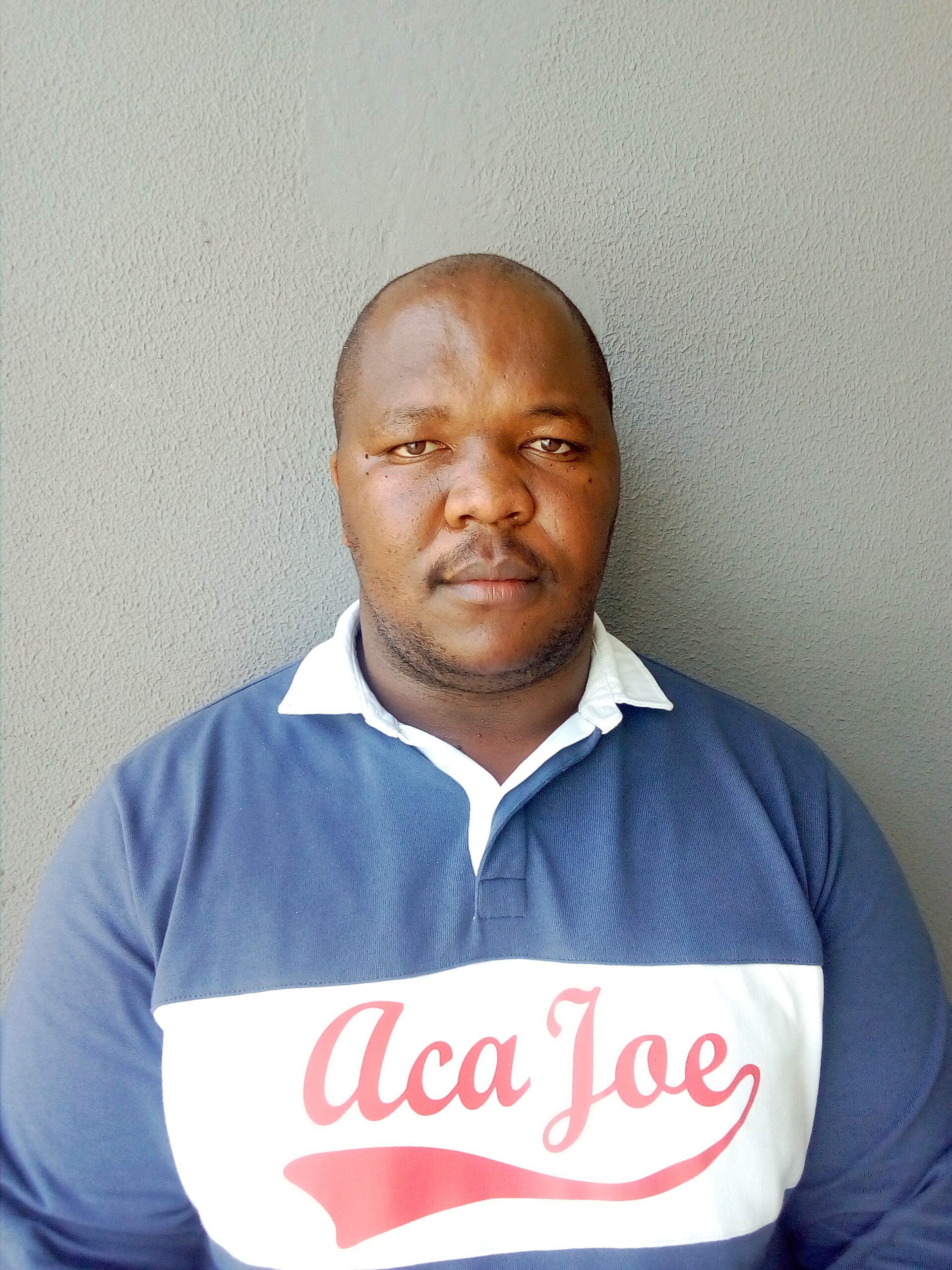
Thoboloko Ntšonyane is a dedicated journalist who has contributed to various publications. He reports on accountability, human rights, exposes corruption and wrong doing by those in power. He reports have exposed corruption, abuse of power, fraud, misconduct and negligence. He subscribes to evidence-based reporting. He reports on governance, parliament, courts, climate change, human rights, sexual and reproductive health rights (SRHR), health, business and agriculture. He gives a voice to the marginalised while also demanding accountability. His work inspires change, triggers dialogue and also promote transparency in a society.