
…as Lesotho emerges among success stories
Severe reductions in international aid have dealt a major blow to the global fight against HIV/AIDS, forcing the closure of health facilities, threatening thousands of healthcare jobs and reversing years of progress in HIV prevention across sub-Saharan Africa.
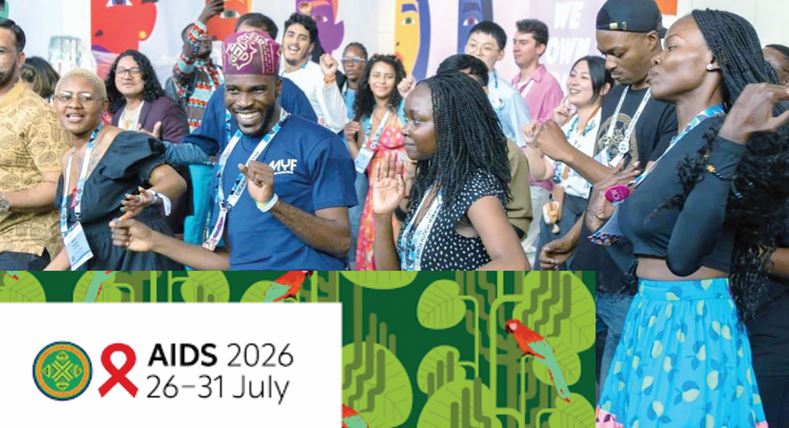
The funding crisis dominated discussions at the 26th International AIDS Conference (AIDS 2026), where researchers, public health experts and community advocates assessed the impact of the cuts and explored ways to build more sustainable, country-led HIV responses.
Evidence presented at the conference showed that abrupt changes to United States foreign assistance policies in early 2025 triggered unprecedented disruptions to HIV programmes worldwide.
The multi-country PEPFAR Pulse study, which surveyed 166 implementing partners across 46 countries, found that funding and policy changes resulted in the closure of more than 1,700 clinics and service delivery sites, mainly in eastern and southern Africa.
A separate review of 21 studies found that South Africa lost more than 8,000 PEPFAR-supported health workers, while nearly 16,700 healthcare positions were placed at risk in Zimbabwe.
The funding cuts also severely affected HIV prevention services. Across central, eastern, southern and western Africa, new enrolments for pre-exposure prophylaxis (PrEP) declined by between 31 and 64 percent, voluntary medical male circumcisions fell by 65 to 88 percent, and condom distribution dropped by more than half.
Nigeria experienced some of the steepest declines. Prevention services for key populations fell by 50.5 percent, HIV self-testing decreased by 70.2 percent, and PrEP initiations among vulnerable groups dropped by 83 percent within a single quarter in 2025.
Community-based organisations were among the hardest hit, with many losing funding and being forced to scale back or suspend services for populations most vulnerable to HIV.
Reports released during the conference also highlighted a major shift in global HIV financing.
A joint report by KFF and UNAIDS found that donor government funding for HIV programmes declined by 25 percent in 2025, while overall external financing for low- and middle-income countries fell by 18 percent.
Although domestic investment increased by four percent during the same period and now accounts for nearly 60 percent of global HIV funding, experts warned that it is still insufficient to offset the sharp decline in international support.
Addressing delegates, UNAIDS Executive Director Winnie Byanyima said countries could no longer rely on foreign aid alone.
“The era of relying on international aid is over,” she said.
Byanyima called on international financial institutions to support debt restructuring so that developing countries can invest more in health, education and other essential public services.
Despite the financial pressures, several high-burden countries have continued to make significant progress in expanding access to life-saving HIV treatment.
A special UNAIDS report presented at AIDS 2026 identified Lesotho as one of only 11 countries worldwide to achieve the 95-95-95 HIV targets by 2025. The targets mean that 95 percent of people living with HIV know their status, 95 percent of those diagnosed are receiving antiretroviral therapy, and 95 percent of those on treatment have achieved viral suppression.
The report also found that Lesotho has reduced annual new HIV infections by more than 78 percent since 2010, putting the country on track to achieve the global target of a 90 percent reduction by 2030.
High rates of viral suppression have also significantly reduced the risk of HIV transmission, demonstrating that sustained national investment and strong treatment programmes can preserve public health gains even amid global funding shocks.
As the global HIV response moves towards the 2030 target of ending AIDS as a public health threat, delegates at AIDS 2026 stressed that success will depend on stronger domestic financing, protection of human rights and increased support for community-led organisations that remain at the forefront of the HIV response.
Summary
- Severe reductions in international aid have dealt a major blow to the global fight against HIV/AIDS, forcing the closure of health facilities, threatening thousands of healthcare jobs and reversing years of progress in HIV prevention across sub-Saharan Africa.
- The report also found that Lesotho has reduced annual new HIV infections by more than 78 percent since 2010, putting the country on track to achieve the global target of a 90 percent reduction by 2030.
- As the global HIV response moves towards the 2030 target of ending AIDS as a public health threat, delegates at AIDS 2026 stressed that success will depend on stronger domestic financing, protection of human rights and increased support for community-led organisations that remain at the forefront of the HIV response.

Ntsoaki Motaung is an award-winning health journalist from Lesotho, specializing in community health stories with a focus on sexual and reproductive health and rights, as well as HIV. She has contributed to platforms like “Be in the KNOW,” highlighting issues such as the exclusion of people with disabilities from HIV prevention efforts in Lesotho.
In addition to her journalism, Ntsoaki serves as the Country Coordinator for the Regional Media Action Plan Support Network (REMAPSEN). She is also a 2023 CPHIA Journalism Fellow.