
Refiloe Molise
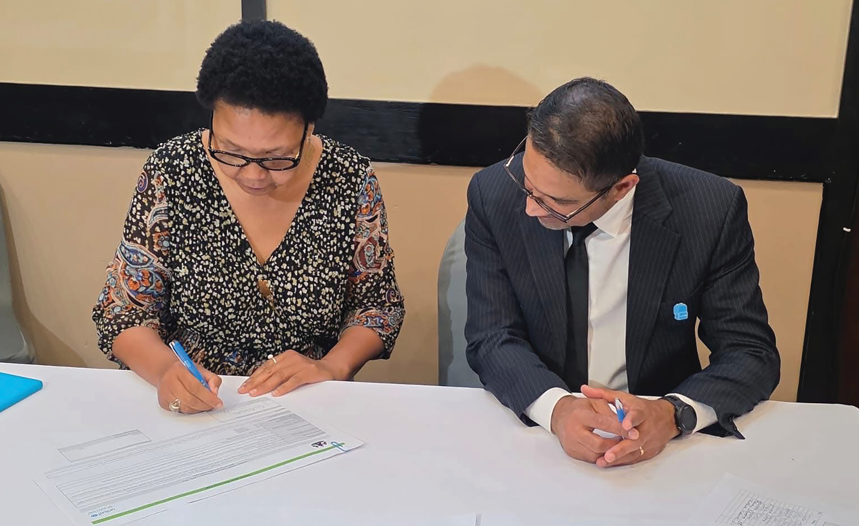
The United Nations Children’s Fund (UNICEF) Lesotho and the government this week signed the 2026 Annual Work Plans aimed at strengthening programmes for children across the country.
The 2026 AWPs guide the key actions to be implemented this year, ensuring coordinated delivery of measurable results for children, adolescents, and families across Lesotho. They operationalise the UNICEF Country Programme Strategy (2024–2028) and reflect a strong commitment to partnership, accountability, and impact.
The signing brought together representatives from government ministries, development partners, and civil society, symbolising a shared dedication to improving the lives of all children in Lesotho.
Deepak Dhaskharan, the President of UNICEF Lesotho said the new annual work plan signed with the government demonstrates a shared commitment to improving the lives of children, adolescents and young people. He stressed that the agreement goes beyond paperwork.
“These engagements are not merely administrative exercises. They represent our shared commitment to deliver measurable improvements in the lives of children, adolescents and young people and to ensure that no child is left behind,” Dhaskharan said.
He added that UNICEF and the government aligned the work plan with national priorities and developed it together with ministries, departments and agencies. Dhaskharan explained that UNICEF designed the plan using a life-cycle approach that supports children from early childhood, empowers adolescents and involves young people as active partners in participation and social change.
“This is not a one-size-fits-all approach. It responds to the specific needs and realities of the country,” he said.
He noted that UNICEF is shifting from small, fragmented activities to large-scale, sustainable interventions that strengthen systems and reach the most marginalised children. He highlighted health, education, child protection, water, sanitation and hygiene (WASH) and social protection as priority sectors, adding that UNICEF will also strengthen technology, data systems and equity in service delivery.
“We are moving away from small, fragmented interventions toward large-scale sustainable impact,” Dhaskharan said.
He urged partners to strengthen national systems so they can withstand climate, economic and social shocks. “We must ensure that every dollar spent delivers maximum impact,” he said, pointing to global funding constraints affecting development agencies.
Dhaskharan also announced that UNICEF will transition to a multi-country office structure to reduce administrative costs and direct more resources to programmes, while maintaining its presence in Lesotho.
“Our presence, our partnership and our promise to deliver results remain unwavering,” he said, thanking donors, civil society and development partners for their support. He added that joint efforts could make 2026 a year of transformative progress for every child.
UNICEF’s Deputy Country Representative Dr Bob Muchabaiwa said the annual plan focuses on delivering more systematic and impactful results for children instead of scattered, short-term efforts.
He explained that the country and global strategies are aligned with national frameworks, UN priorities and the Sustainable Development Goals.
“We want to move away from a spray and pray approach and be systematic and impactful,” Dr Muchabaiwa said, stressing the need for evidence-based planning and long-term system strengthening.
He said UNICEF is shifting its way of working to become more transformative and focused on sustainable change, and plans to invest millions of dollars directly in programmes for children this year while improving efficiency and coordination. He emphasised the importance of using reliable data, strengthening national systems and ensuring resources are used effectively to deliver maximum impact.
“Above all, it is about partnerships, collaboration and keeping the child at the center,” Dr Muchabaiwa said, adding that joint efforts will help ensure children survive, learn and thrive.
The Principal Secretary of the Ministry of Finance and Development Planning, Nthoateng Lebona, thanked partners and stakeholders for their continued cooperation and commitment to supporting children’s development. She emphasised the importance of early planning and coordination to avoid delays and ensure effective implementation.
Lebona said proper timing and organisation give partners certainty and enable more effective action toward shared goals. She stressed the need to finalise financial and situational analyses to guide decision-making and ensure resources are allocated where they are most needed. According to her, evidence and clear data are essential when addressing challenges affecting children, including nutrition, education and social wellbeing.
She also highlighted the importance of long-term partnerships with government, development partners and the private sector, saying cross-sector collaboration is crucial to protect children’s rights and achieve sustainable progress.
Concluding her remarks, she called on all partners to remain committed, noting that joint efforts are essential to ensure that all children can grow, learn and thrive.
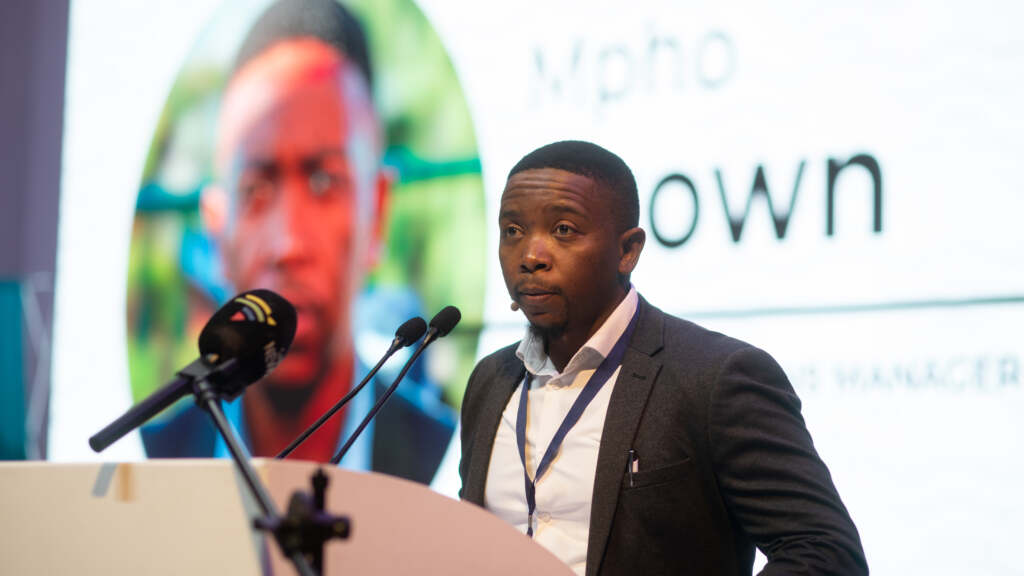
On his part, UNICEF’s Programme Assistant in Education and Child Protection, Mpiti Molapo, explained that the Harmonised Approach to Cash Transfers (HACT) ensures funds are used for their intended programme purposes, promoting transparency, accountability and value for money. He said the process begins with the signing of programme documents and annual work plans, including authorised signatures, which are crucial for disbursement and financial reporting.
“Only the authorised officials can approve and sign the financial reports, and timely liquidation is required before the next transfer,” Molapo said.
He added that partners are assessed by risk level through micro-assessments, which determine the frequency of assurance activities. He noted that common challenges include late, inaccurate or incomplete reporting, delays in liquidation of advances and outdated authorised signatures, which can block fund disbursements.
Molapo also outlined best practices, stressing the importance of strong internal controls, segregation of duties and regular communication between UNICEF and partners.
“Assurance findings are intended for continuous improvement, not to catch partners out,” he said, encouraging partners to follow established systems for financial and programme reporting.
Summary
- Deepak Dhaskharan, the President of UNICEF Lesotho said the new annual work plan signed with the government demonstrates a shared commitment to improving the lives of children, adolescents and young people.
- They represent our shared commitment to deliver measurable improvements in the lives of children, adolescents and young people and to ensure that no child is left behind,” Dhaskharan said.
- He said UNICEF is shifting its way of working to become more transformative and focused on sustainable change, and plans to invest millions of dollars directly in programmes for children this year while improving efficiency and coordination.

Welcome to Newsday Media – Your Trusted Source for News and Insights in Lesotho!
At Newsday Media, we are passionate about delivering accurate, timely, and engaging news and multimedia content to our diverse audience. Founded with the vision of revolutionizing the media landscape in Lesotho, we have grown into a leading hybrid media company that blends traditional journalism with innovative digital platforms.
Our mission is simple: to inform, inspire, and empower our readers by providing comprehensive coverage of local and global events, current affairs, and cultural happenings. Whether you’re looking for breaking news, in-depth analysis, or captivating storytelling, Newsday Media is your go-to destination for all things news-related.
With a dedicated team of journalists, editors, and multimedia experts, we are committed to upholding the highest standards of journalistic integrity and professionalism. We pride ourselves on delivering content that not only informs but also sparks conversation, fosters understanding, and drives positive change in our society.
From our flagship newspaper to our dynamic digital platforms, we offer a wide range of multimedia content to cater to the diverse interests and preferences of our audience. Whether you prefer to stay informed through print, online articles, videos, or podcasts, Newsday Media has something for everyone.
We believe in the power of storytelling to connect people, bridge divides, and inspire action. That’s why we’re dedicated to providing a platform for voices from all walks of life, championing diversity, inclusion, and authenticity in everything we do.
Thank you for visiting Newsday Media. We invite you to explore our website, engage with our content, and join us on our journey to inform, inspire, and empower our community. Together, let’s shape the future of media in Lesotho.