
Mamello Rakotsoane
Lesotho’s ambition to co-host the 2027 Africa Cup of Nations (AFCON) with South Africa collapsed before it could even take shape, undone by a stark lack of preparedness and deep-rooted infrastructure gaps that made the proposal a non-starter from the outset.
The Confederation of African Football (CAF) sets demanding standards for host nations; including CAF- compliant stadia, robust transport networks, a CAF- standard international airport, adequate hospitality infrastructure, emergency medical services and modern training facilities.
When these requirements were measured against Lesotho’s reality, the gap proved too wide to bridge.The Lesotho Football Association (LeFA) has since formally withdrawn from the co-bid, admitting the initial proposal was made in haste and only later subjected to a sober assessment of the country’s readiness.
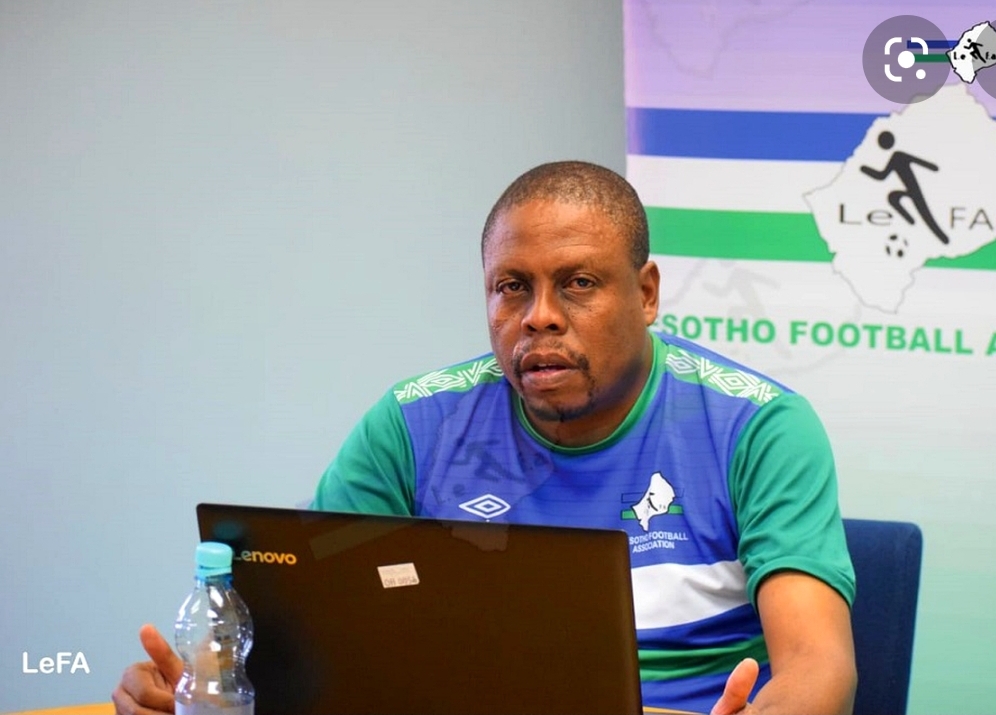
Addressing a press conference earlier this week, LeFA’s President Lijane Nthunya conceded that while the idea was attractive, the fundamentals were missing.
“Seeing the realities on the ground, we realised that Lesotho is far from meeting the basic hosting criteria,” Nthunya said.
LeFA had initially floated the idea with the government and secured interest from Minister of Sports Motlatsi Maqelepo. But beyond early enthusiasm, no firm commitments or guarantees were secured to meet CAF’s strict conditions. Nthunya said withdrawing was also meant to protect South Africa’s bid.
“We chose to step aside to prevent harming the bid from our friendly neighbour, South Africa,” he explained.
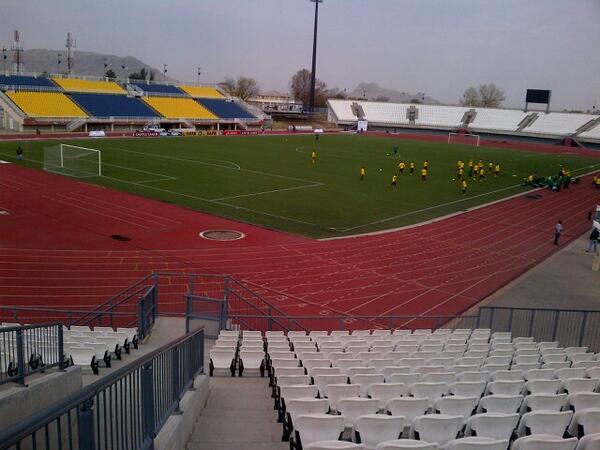
The bulk of Lesotho’s problems lie on lack of accredited sports infrastructure. Setsoto Stadium, once the country’s flagship venue, has been banned for more than five years and remains far from CAF standards, despite the recent installation of artificial turf.
Renovation plans are incomplete and could take years. But CAF requires host stadiums to be ready about 18 months before the tournament.
As things stand, Lesotho does not have a single CAF-compliant stadium and continues to play its international home matches in South Africa. LeFA’s Secretary General Mokhosi Mohapi revealed that the association wrote to the South African Football Association (SAFA) to express interest in joining the bid but received no response until the final stages of the process, just before the deadline for expressions of interest.
At the same time, the Ministry of Sport contacted its South African counterpart, but no reply has been received to date. When SAFA eventually responded, it advised LeFA to engage CAF directly, a step that required guarantees Lesotho could not provide.
“To host a tournament of AFCON’s scale, countries must guarantee CAF compliant stadiums, transport networks, security systems, medical services, training facilities and modern broadcasting infrastructure,” Mohapi said.
Host nations must also ensure smooth immigration and customs processes, comprehensive health coverage, tax exemptions and protection of CAF’s commercial rights.
“These requirements cut across several government departments, each with its own mandates and targets. There was simply no time to secure such assurances,” he added.
Finances presented another major obstacle. CAF requires host nations to assume or share the costs of staging the tournament, including depositing a competition budget into an escrow account before bidding.
“At the time submissions were due, we were still playing on foreign soil because we do not have a stadium under construction. AFCON is within 18 months. Commitment had to be demonstrated, not promised.”
Accommodation was equally problematic. Only two hotels met CAF standards. Ongoing upgrading of the Moshoeshoe I International Airport further underlined the country’s broader infrastructure weaknesses.
While hosting AFCON would have given Likuena automatic qualification for the 2027 finals, LeFA admitted that such ambitions were unrealistic.
“There were many promises, but delivery has been limited,” Mohapi noted.
In the end, LeFA chose not to submit a formal commitment to CAF, fearing that doing so without guarantees could derail South Africa’s bid.
“Would we want to be the association that collapsed South Africa’s bid simply because there were no guarantees? That is why we did not go ahead and write to CAF committing the country,” Mohapi said.
Summary
- Lesotho’s ambition to co-host the 2027 Africa Cup of Nations (AFCON) with South Africa collapsed before it could even take shape, undone by a stark lack of preparedness and deep-rooted infrastructure gaps that made the proposal a non-starter from the outset.
- The Lesotho Football Association (LeFA) has since formally withdrawn from the co-bid, admitting the initial proposal was made in haste and only later subjected to a sober assessment of the country’s readiness.
- LeFA’s Secretary General Mokhosi Mohapi revealed that the association wrote to the South African Football Association (SAFA) to express interest in joining the bid but received no response until the final stages of the process, just before the deadline for expressions of interest.

Welcome to Newsday Media – Your Trusted Source for News and Insights in Lesotho!
At Newsday Media, we are passionate about delivering accurate, timely, and engaging news and multimedia content to our diverse audience. Founded with the vision of revolutionizing the media landscape in Lesotho, we have grown into a leading hybrid media company that blends traditional journalism with innovative digital platforms.
Our mission is simple: to inform, inspire, and empower our readers by providing comprehensive coverage of local and global events, current affairs, and cultural happenings. Whether you’re looking for breaking news, in-depth analysis, or captivating storytelling, Newsday Media is your go-to destination for all things news-related.
With a dedicated team of journalists, editors, and multimedia experts, we are committed to upholding the highest standards of journalistic integrity and professionalism. We pride ourselves on delivering content that not only informs but also sparks conversation, fosters understanding, and drives positive change in our society.
From our flagship newspaper to our dynamic digital platforms, we offer a wide range of multimedia content to cater to the diverse interests and preferences of our audience. Whether you prefer to stay informed through print, online articles, videos, or podcasts, Newsday Media has something for everyone.
We believe in the power of storytelling to connect people, bridge divides, and inspire action. That’s why we’re dedicated to providing a platform for voices from all walks of life, championing diversity, inclusion, and authenticity in everything we do.
Thank you for visiting Newsday Media. We invite you to explore our website, engage with our content, and join us on our journey to inform, inspire, and empower our community. Together, let’s shape the future of media in Lesotho.