
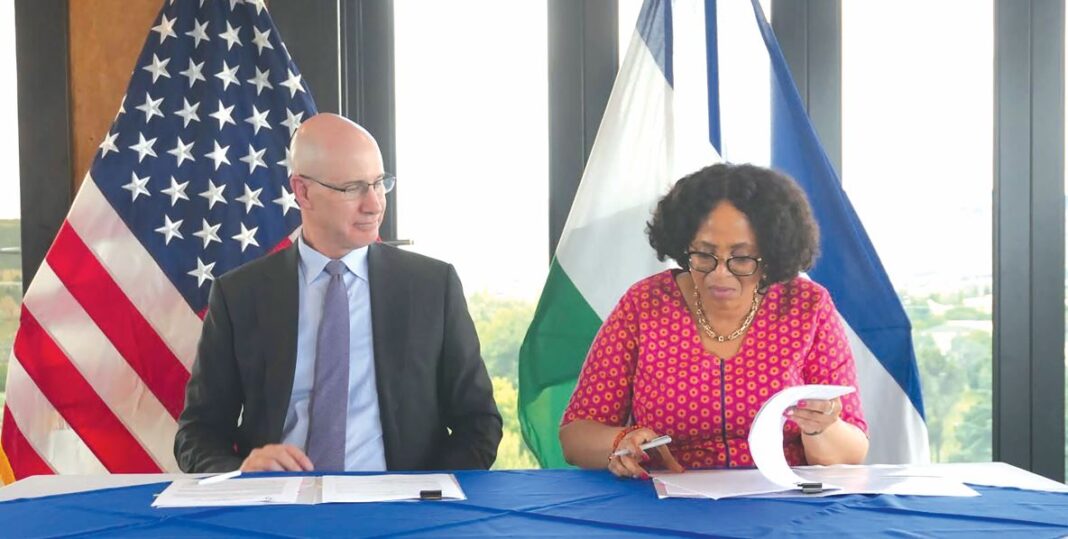
The National Assembly has passed a motion rescinding its previous decision to halt a controversial five-year Government-to-Government (G2G) Memorandum of Understanding (MoU) with the United States valued at US$364 million (approximately M6.2 billion).
The funding is intended to strengthen the country’s health sector, particularly the fight against HIV/AIDS.
The motion, moved by Reverend Paul Masiu, Chairperson of the Pandemics Committee, was adopted by the House just before it adjourned for a short Easter break.
It faced resistance from some opposition members.
Earlier, the Economic and Social Clusters had recommended that the G2G MoU be suspended and halted. Masiu argued that maintaining the suspension could cause serious adverse implications for the country.
He highlighted Lesotho’s past receipt of aid that helped address the HIV/AIDS pandemic and navigate broader health challenges, warning that halting the agreement could leave the nation vulnerable.
The US State Department, in collaboration with Congress, plans to provide up to US$232 million to support Lesotho’s HIV/AIDS response, strengthen the health workforce, improve data systems, and enhance disease surveillance and outbreak response.
Lesotho’s government has committed US$132 million to its domestic HIV/AIDS programme.
“From internet connectivity for health clinics to advanced robotic delivery of life-saving medical supplies, the US$364 million memorandum of understanding creates opportunities for innovations that will advance health care and benefit the local economy,” said Thomas Pigott, the State Department’s Deputy Spokesperson.
The MoU, signed on December 10, 2025, forms part of the US “America First Global Health Strategy.” It shifts from traditional donor-funded aid to a “co-investment” model, under which Lesotho is expected to gradually increase its own health spending over the five-year period (2026–2030) as US funding contributions are structured to promote greater national ownership.
Concerns raised in Parliament and by civil society
During debates, opposition MP, Nqosa Mahao, urged caution, describing the agreement as potentially amounting to “biological warfare.” Another opposition MP, Machesetsa Mofomobe, supported the MoU, saying it would benefit Lesotho’s health sector and welcomed the US audit of fund usage.
He called on the government to engage the public more openly, noting that the MoU allows either party to make the document public “for the avoidance of any doubt.”
Mofomobe defended the data-sharing provisions, arguing they are not new. He referenced a 1995 study involving children’s stool samples sent to the US and stressed that data would be anonymised, with no individual information revealed.
He added that the agreement would help upgrade local health facilities to meet World Health Organisation and International Organisation for Standardisation (ISO) standards, improving access for Basotho who cannot afford private care.
‘Machabane Lemphane-Letsie expressed concern over potential cost implications for Lesotho and questioned whether the document could truly be called a MoU, arguing that the US had not made sufficiently clear commitments.
A coalition of 19 civil society organisations (CSOs), coordinated under the Lesotho Council of Non-Governmental Organisations (LCN), issued a statement on in March this year raising serious concerns about national sovereignty, transparency, public consultation, and compliance with Lesotho’s constitutional frameworks.
The CSOs warned that the language and structure of the MoU appeared to place Lesotho in a subordinate position, potentially undermining the country’s dignity and sovereignty. They emphasised that Lesotho is a sovereign nation with a proud history of self-determination, and any international partnership must be based on mutual respect, transparency, and equality.
“Basotho deserve better. They need transparency, accountability, and a voice in decisions that affect the future of their children and country,” the statement read.
A draft of the MoU reviewed by Newsday reportedly included provisions that could require Lesotho to share citizens’ biological samples and sensitive national health data with the US for extended periods. Government officials have since stated that some contentious clauses, including the duration of certain data-sharing arrangements, were rectified during negotiations, reducing them significantly, for example, from 25 years to five years in some cases, and that the MoU is non-binding.
Regional Context
Similar US bilateral health MoUs under the same strategy have been signed with several African countries. In Uganda, a nearly US$2.3 billion agreement was concluded, with the US committing up to US$1.7 billion and Uganda co-investing over US$500 million.
However, not all countries have embraced the terms. Zimbabwe reportedly paused and later ended talks, citing one-sided conditions, data-sharing risks, and concerns over access to resulting medicines or diagnostics.
Zambia has criticised the heavy co-investment demands and restrictive conditions. In Kenya, a court suspended implementation of a related US$2.5 billion agreement amid data privacy concerns.
The parliament’s decision to rescind the earlier suspension paves the way for the MoU’s implementation, scheduled to begin this month, though public debate and calls for greater transparency are expected to continue.
Summary
- ” It shifts from traditional donor-funded aid to a “co-investment” model, under which Lesotho is expected to gradually increase its own health spending over the five-year period (2026–2030) as US funding contributions are structured to promote greater national ownership.
- He called on the government to engage the public more openly, noting that the MoU allows either party to make the document public “for the avoidance of any doubt.
- The CSOs warned that the language and structure of the MoU appeared to place Lesotho in a subordinate position, potentially undermining the country’s dignity and sovereignty.
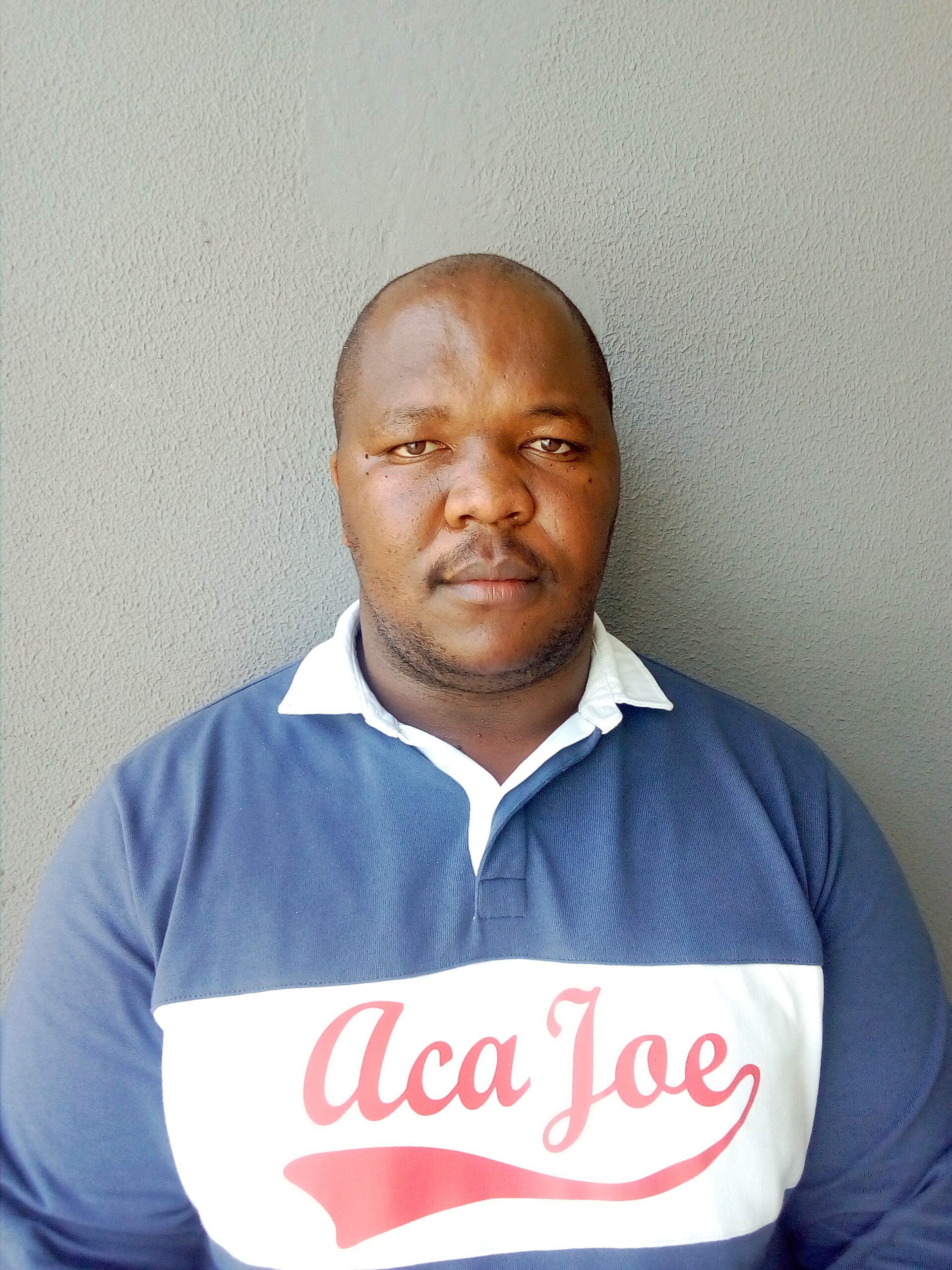
Thoboloko Ntšonyane is a dedicated journalist who has contributed to various publications. He reports on accountability, human rights, exposes corruption and wrong doing by those in power. He reports have exposed corruption, abuse of power, fraud, misconduct and negligence. He subscribes to evidence-based reporting. He reports on governance, parliament, courts, climate change, human rights, sexual and reproductive health rights (SRHR), health, business and agriculture. He gives a voice to the marginalised while also demanding accountability. His work inspires change, triggers dialogue and also promote transparency in a society.