
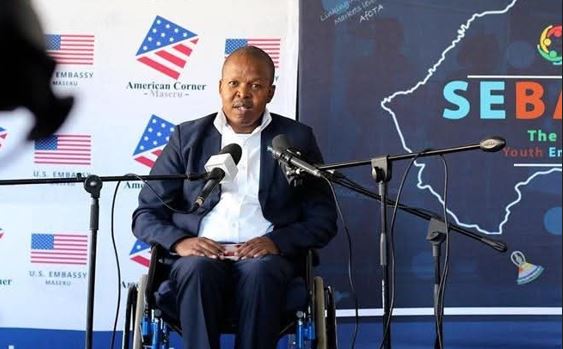
For years, people with disabilities in Lesotho have endured violence in silence. Now, thanks to the work of advocates such as Refiloehape Sesinyi, their voices are finally being heard.
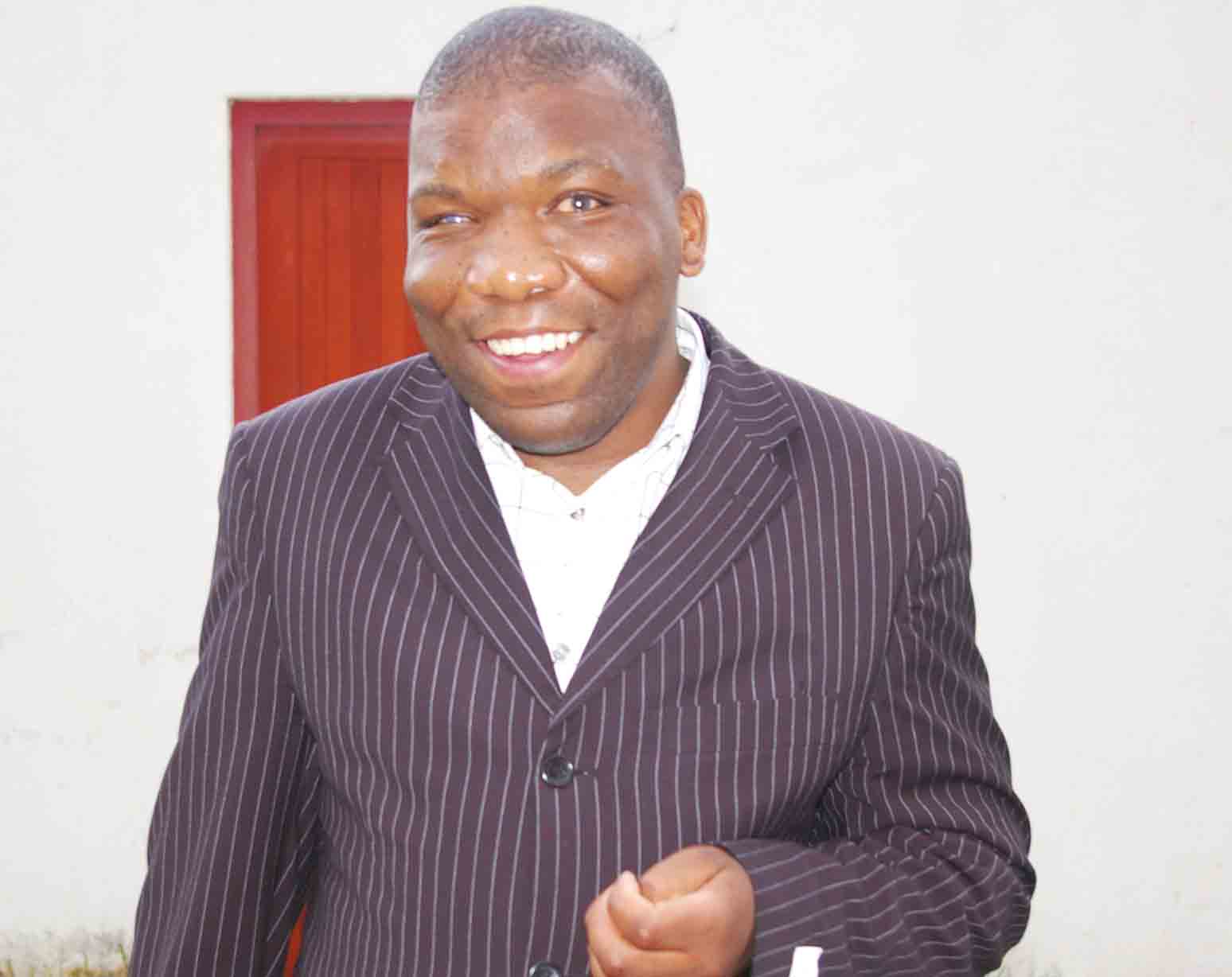
Sesinyi, Gender Officer for the Lesotho National Federation of the Disabled (LNFOD), said that for the first time, people with disabilities have been included in a major study on gender-based violence (GBV).
“Our community is very happy,” she said. “It shows that our advocacy has worked.”
The 2025 Gender-Based Violence Indicators Study, led by Gender Links Lesotho and the Bureau of Statistics, brings both encouraging findings and hard truths. It shows some progress in the fight against GBV in Lesotho, yet significant challenges remain, particularly for people with disabilities.
The study revealed that people with disabilities are two to three times more likely to experience gender-based violence than those without disabilities. Many face sexual assault, and reporting these crimes is often difficult.
“Persons with disabilities are mostly taken advantage of,” Sesinyi said. “One of the reasons is that they struggle to report their cases.”
Sesinyi also highlighted inconsistencies in Lesotho’s laws. The Disability Act affirms that people with disabilities have sexual and reproductive rights. However, other legislation, including the Sexual Offences Act and the Counter Domestic Violence Act, treats sexual activity involving a person with a disability as a criminal offence.
“The country must fix this,” she insisted. “People with disabilities must be protected by the law, but they must also be able to enjoy their rights.”
Thirteen years ago, a study found that 86 percent of Basotho women had experienced some form of GBV in their lifetime. Progress has since been made. The proportion of women facing intimate partner violence has fallen from 62 percent in 2013 to 45.7 percent in 2025. Fewer people now believe that wives must always obey their husbands.
Legal protections have also improved. The Counter Domestic Violence Act of 2022 covers many forms of abuse, including emotional, economic and technology-facilitated violence. The Parliamentary Women’s Caucus, with 43 female members, continues to push for greater accountability on GBV in parliament.
Yet, as Pitso Lesaoana, Minister of Gender, Youth and Social Development, noted: “Progress is not the same as sufficiency.” Many survivors still do not report abuse, and shelters for victims remain concentrated in Maseru.
Lesaoana pointed out that only 12.1 percent of adults in Lesotho are even aware that the new law exists.
“These are not abstract failures,” he said. “They are real problems experienced by women and men every day.”
The 2025 study further shows that women with disabilities face higher rates of violence. About half have experienced intimate partner violence, compared with 44.6 percent of women without disabilities. Services such as shelters and psychosocial support often fail to reach these women, especially outside the capital.
LGBTQI+ survivors and transgender people also face elevated risks and are frequently excluded from support systems.
Sesinyi emphasised that while inclusion of people with disabilities in the study is a positive step, much more is required. “We must make sure that persons with disabilities are not left behind in any plan to fight GBV,” she said.
At the launch of the 2025 study, the European Union’s Head of Delegation, H.E. Mette Sunnergren, stressed the need for decisive action. Laws alone are not enough, she said.
“Prevention, protection, prosecution, and survivor support must go hand in hand.”
Sunnergren also announced that the EU is supporting Lesotho’s efforts with more than EUR 8.45 million, focusing on youth, human rights and the fight against GBV.
The study offers clear recommendations. The Ministry of Gender, Youth and Social Development has committed to making family court rules public, expanding shelters beyond Maseru, and investing more in survivor support. Systems will be put in place to monitor delivery of these commitments, with civil society and parliament providing oversight.
As Lesaoana put it: “No ministry can end GBV alone. But every ministry has a responsibility, and this report, for the first time, says clearly what that responsibility is, and by when it should be done.”
Summary
- Sesinyi, Gender Officer for the Lesotho National Federation of the Disabled (LNFOD), said that for the first time, people with disabilities have been included in a major study on gender-based violence (GBV).
- Other legislation, including the Sexual Offences Act and the Counter Domestic Violence Act, treats sexual activity involving a person with a disability as a criminal offence.
- Sesinyi emphasised that while inclusion of people with disabilities in the study is a positive step, much more is required.
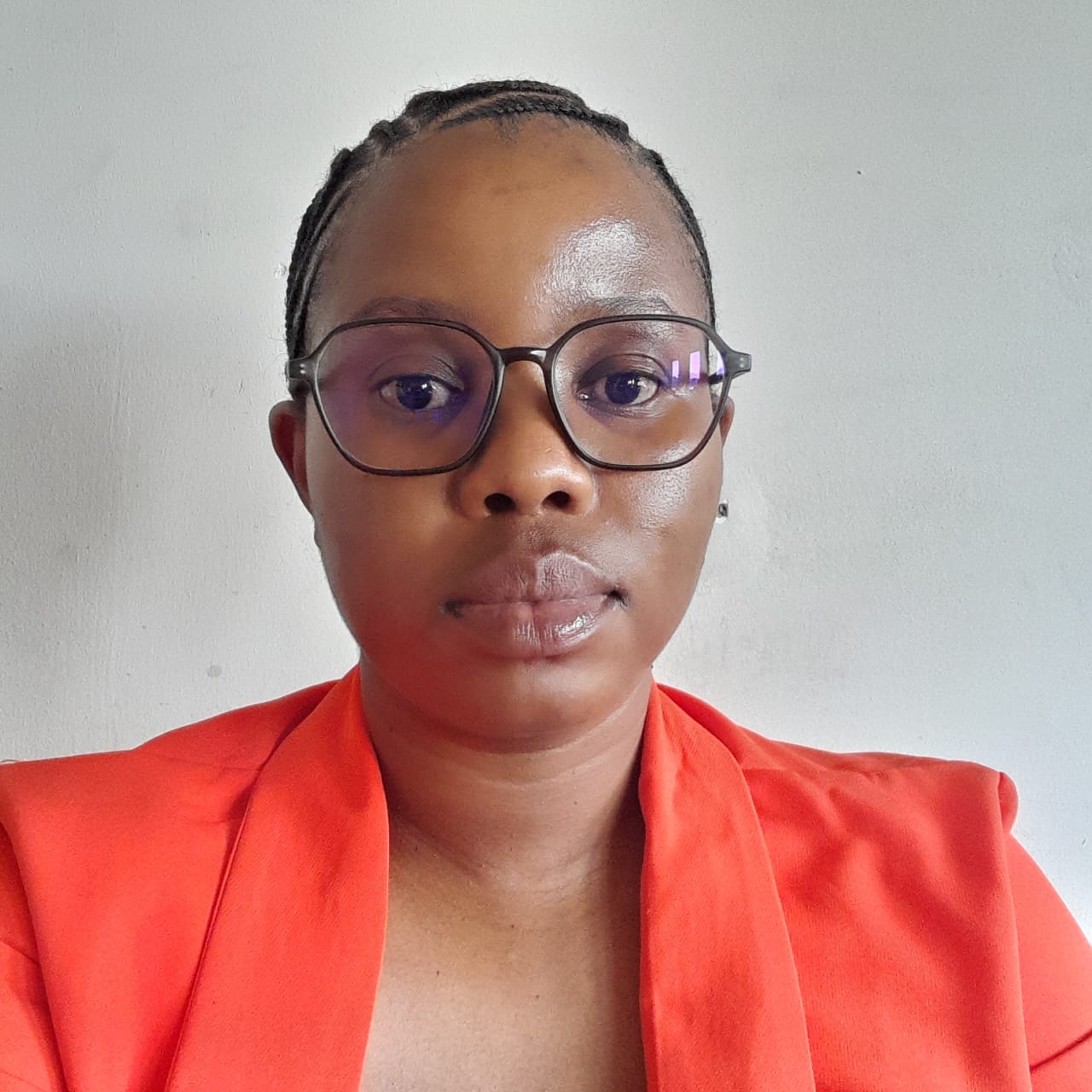
Ntsoaki Motaung is an award-winning health journalist from Lesotho, specializing in community health stories with a focus on sexual and reproductive health and rights, as well as HIV. She has contributed to platforms like “Be in the KNOW,” highlighting issues such as the exclusion of people with disabilities from HIV prevention efforts in Lesotho.
In addition to her journalism, Ntsoaki serves as the Country Coordinator for the Regional Media Action Plan Support Network (REMAPSEN). She is also a 2023 CPHIA Journalism Fellow.