

The quiet villages of Lesotho often look southward, toward the promise of better opportunities across the border in South Africa.
For one woman we will call Palesa, to protect her identity, that dream of escape from hardship became a descent into unimaginable horror.
Palesa’s ordeal offers a stark window into the hidden machinery of human trafficking: the false promises, the illegal crossings, the descent into forced labour, sexual violence, and the ultimate violation of a forced abortion.
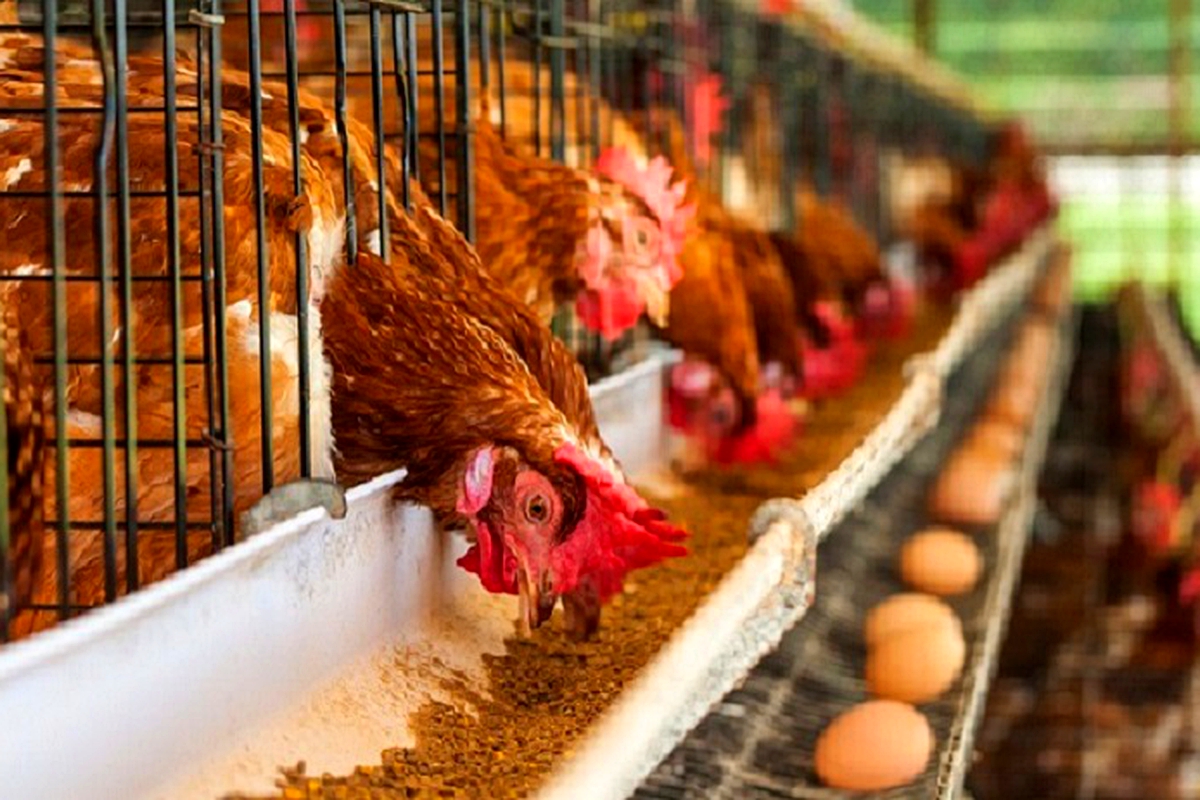
In 2022, Palesa was running a small poultry farm in Lesotho, but mounting debts and the struggle to make ends meet pushed her to seek help. She contacted a friend already working in Ceres, South Africa, who promised to arrange a legitimate job by the December holidays.
The plan was for Palesa to relocate after Easter the following year.
Desperate to bypass bureaucratic hurdles, Palesa was guided across the border through an informal, illegal crossing, a choice driven by necessity that immediately left her vulnerable, stripped of legal protections before she even set foot in her new life.
Once in South Africa, she was handed over to a man presented as her employer. He assured her of respectable work in a shop. Instead, she was delivered into modern slavery.
The “shop” was a cramped spaza shack built from corrugated iron. Palesa’s world shrank to its confines. She worked behind a small, reinforced window, her only contact with the outside. At night, she slept in a tiny back area, effectively imprisoned in her workplace.
After a month of grueling, unpaid labour, she confronted her captor. His response was textbook exploitation: he claimed she owed him for her keep, then pressured her to move into his main house as a domestic worker and nanny for his children, promising to “make up” for lost wages by doubling her pay.
With no money, no phone, and no legal status, Palesa had little choice.
What began as labour abuse soon escalated into total control. Her employer monitored her every move, forbidding contact with men. When a regular customer spoke to her in his presence one afternoon, the man erupted in fury.
He beat Palesa brutally, accusing her of prostitution and blaming her for his refusal to pay. Then came the declaration that sealed her fate: from that day on, he told her, she was his wife.
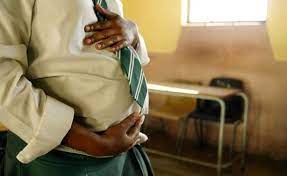
What followed was relentless sexual violence. Palesa endured daily assaults until she discovered she was pregnant. Hoping the news might stir some compassion, she told him. His reply was chilling: he already had a “real” family, and her role was strictly to serve.
Rather than allow the pregnancy, he took matters into his own hands in a savage act of reproductive violence. He brought unidentified pills, forced some into her vagina, and made her swallow the rest.
The pain was excruciating. Palesa collapsed on the shop floor, bleeding heavily for hours, teetering on the edge of death. Her captor closed the shop to customers, hiding the crime. Only when she began to recover enough to stand did he give her basic medication—not out of concern, but to keep his “worker” operational.
Even in the depths of trauma, Palesa’s resolve never broke. She began a careful, high-risk plan for escape. Each day, she skimmed small amounts from the shop’s takings, hiding the cash despite daily searches. These coins became her secret freedom fund.
She also built trust with her captor’s children, becoming a reliable, affectionate figure in their lives. That bond proved decisive. One afternoon, while the man was away, she persuaded the eldest child to fetch the gate keys for a pretend supermarket errand.
With calculated calm, Palesa layered extra clothes under a large cloth to mask her intent. She opened the gate, pretended to forget something inside, and waited until the children were distracted. The gate appeared closed but remained unlocked. In that fleeting window, she walked out, and kept walking.
Exhausted and terrified, she reached a nearby house where a compassionate family took her in. They helped her search Facebook for relatives, eventually reconnecting with a cousin in South Africa. By December, Palesa was back in Lesotho, reunited with family she had feared she would never see again.
But the woman who returned carried deep scars. For a long time, she remained silent about the abuse. Healing only began when she enrolled in nursing school to study social work. There, learning about power dynamics and abuse gave her the words to name her experience.
Supported by the Lesotho Migrants Association and World Vision Lesotho, Palesa received emotional guidance and practical help, including secondhand goods to restart her business aspirations.
Today, she is a graduate and entrepreneur, standing as proof that even from the darkest captivity, resilience can prevail.
Palesa’s story underscores the persistent dangers of cross-border trafficking in the region. According to the 2025 U.S. Trafficking in Persons Report, Lesotho remains on Tier 2, making significant efforts but not yet fully meeting minimum standards, while South Africa was downgraded to the Tier 2 Watch List amid concerns over declining victim identifications, fewer prosecutions, and potential official complicity at borders.
The latest UNODC Global Report on Trafficking in Persons notes that forced labour has overtaken sexual exploitation as the most detected form globally, around 42 percent of victims compared to 36 percent for sexual exploitation, though convictions still skew heavily toward sex trafficking cases.
In Southern Africa, Basotho women are frequently lured into domestic servitude or sex work, while men face exploitation in illegal mining. Lesotho’s principal response rests on the Anti-Trafficking in Persons Act No. 1 of 2011, bolstered by 2021 amendments that fully criminalize all forms of trafficking, including sex trafficking, with penalties up to 25 years’ imprisonment (or life for child cases.
The law provides key protections, such as non-prosecution of victims for crimes committed under coercion, including illegal entry, and safeguards for victim safety.
The new Labour Act of 2024 further strengthens prevention by requiring licensing for recruitment agencies, authorizing inspections of private homes for domestic labour cases, and criminalizing fraudulent recruitment practices.
Lesotho is also party to core international instruments, including the UN Palermo Protocol, ILO conventions on forced labour and modern slavery, and the SADC Protocol on Gender and Development, which addresses cross-border risks for women.
Palesa’s survival is extraordinary, but her story is far from unique. It is a reminder that behind every border crossed in hope lies the potential for exploitation, and that combating trafficking demands stronger regional cooperation, better victim support, and unyielding accountability.
Summary
- In 2022, Palesa was running a small poultry farm in Lesotho, but mounting debts and the struggle to make ends meet pushed her to seek help.
- Desperate to bypass bureaucratic hurdles, Palesa was guided across the border through an informal, illegal crossing, a choice driven by necessity that immediately left her vulnerable, stripped of legal protections before she even set foot in her new life.
- he claimed she owed him for her keep, then pressured her to move into his main house as a domestic worker and nanny for his children, promising to “make up” for lost wages by doubling her pay.
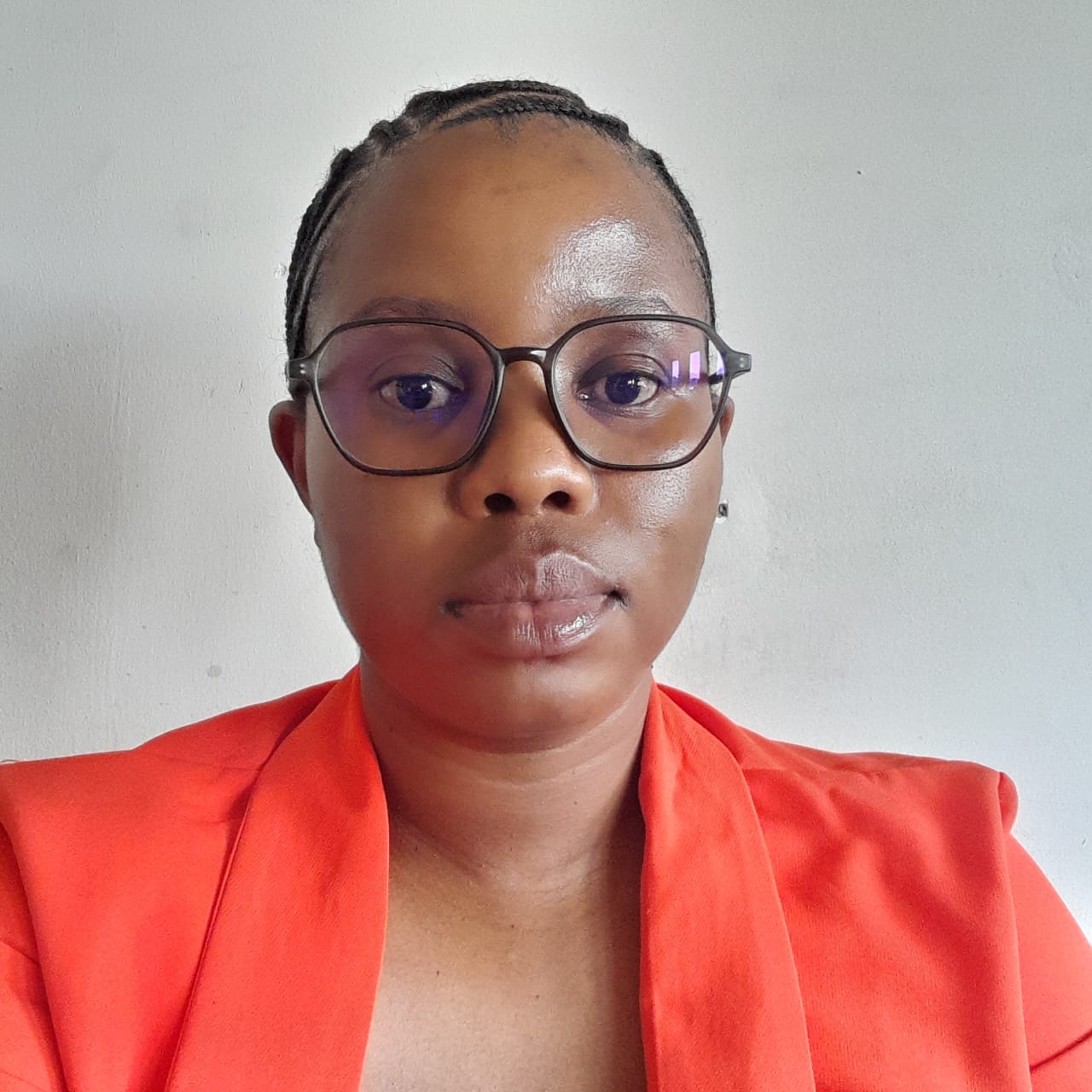
Ntsoaki Motaung is an award-winning health journalist from Lesotho, specializing in community health stories with a focus on sexual and reproductive health and rights, as well as HIV. She has contributed to platforms like “Be in the KNOW,” highlighting issues such as the exclusion of people with disabilities from HIV prevention efforts in Lesotho.
In addition to her journalism, Ntsoaki serves as the Country Coordinator for the Regional Media Action Plan Support Network (REMAPSEN). She is also a 2023 CPHIA Journalism Fellow.