
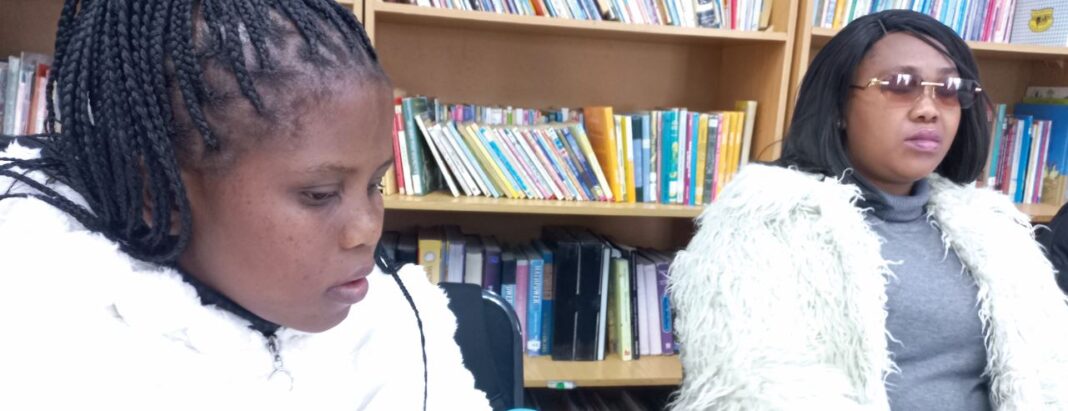
Visually impaired people in Lesotho say they often experience a lack of privacy and sensitivity during medical consultations, with healthcare workers failing to ask whether they want their guides present in the room.
The patients argue that this practice violates their right to confidential and dignified healthcare. They are calling on health facilities to first consult them on whether their guide or assistant should remain during examinations.
Kellello Fanane, Programmes Coordinator at the Lesotho National League of the Visually Impaired Persons (LNLVIP), said privacy and confidentiality are frequently compromised.
“Health professionals do not always ask whether the person would feel comfortable with their guide in the consultation room,” Fanane said. “In some cases, they discuss the patient’s health in the presence of the guide without checking what the patient prefers.”
Fanane noted that visually impaired women also face difficulties accessing contraceptives. She highlighted additional challenges such as inadequate menstrual hygiene support in some schools, which leads girls to miss classes, and the problem of sexual violence, where victims struggle to identify suspects in court.
Mpeo Kherehloa, a visually impaired person, said she has experienced gender-based violence and receives unwanted attention, including marriage proposals from strangers on public transport.
She added that some health workers ask them overly curious and insensitive questions during consultations.
Mamello Seeiso echoed these concerns, saying health professionals often speak to guides instead of addressing the visually impaired patient directly.
“They exclude you as though this is not your own case,” Seeiso said.
She also criticised health education sessions, noting that demonstrations, such as condom use, are done visually without proper verbal explanations for those who cannot see.
Nthabiseng Khalane, who acquired visual impairment later in life, complained about disrespectful attitudes from some service providers, including teachers who speak about visually impaired students in a demeaning manner.
LNLVIP Chairperson Kopano Tšilonyane called for greater inclusion and what he termed “positive discrimination” for people with disabilities.
“People with disabilities should not be made to stand in the queue like everyone else when accessing services,” Tšilonyane said.
He urged organisations to explicitly state in job advertisements that they are seeking candidates with disabilities and emphasised the need to address both legislative and attitudinal barriers through awareness.
Summary
- Visually impaired people in Lesotho say they often experience a lack of privacy and sensitivity during medical consultations, with healthcare workers failing to ask whether they want their guides present in the room.
- “In some cases, they discuss the patient’s health in the presence of the guide without checking what the patient prefers.
- He urged organisations to explicitly state in job advertisements that they are seeking candidates with disabilities and emphasised the need to address both legislative and attitudinal barriers through awareness.
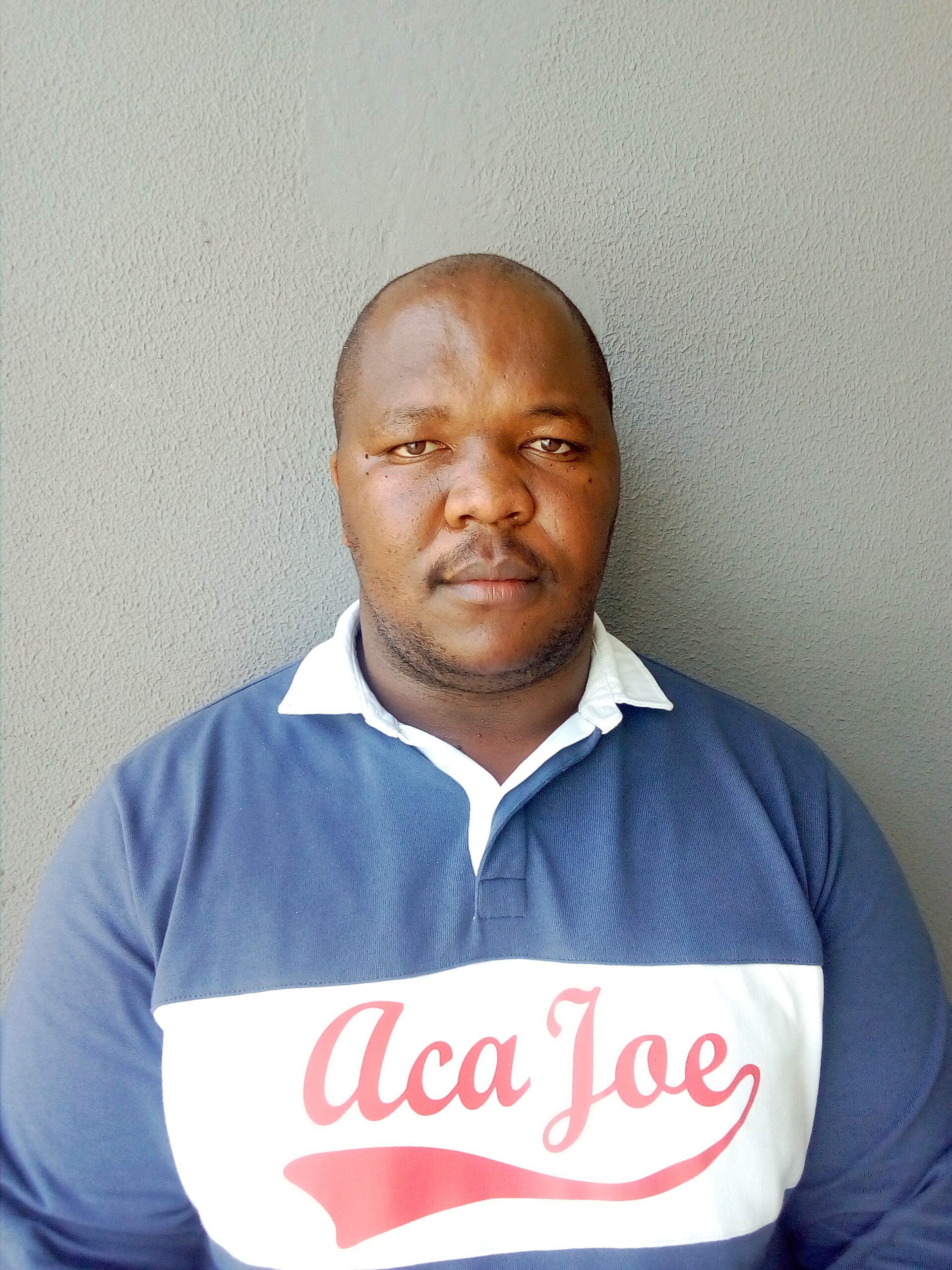
Thoboloko Ntšonyane is a dedicated journalist who has contributed to various publications. He reports on accountability, human rights, exposes corruption and wrong doing by those in power. He reports have exposed corruption, abuse of power, fraud, misconduct and negligence. He subscribes to evidence-based reporting. He reports on governance, parliament, courts, climate change, human rights, sexual and reproductive health rights (SRHR), health, business and agriculture. He gives a voice to the marginalised while also demanding accountability. His work inspires change, triggers dialogue and also promote transparency in a society.