

… As unpaid workers scale down services
Lesotho’s healthcare system is facing a deepening crisis, with services significantly disrupted after nurses, midwives, and doctors embarked on coordinated protest action over unpaid salaries for March 2026.
The standoff has forced many healthcare workers into an untenable position, balancing their professional duty to patients against their own basic survival needs, resulting in a sharp reduction in services across the country.
The Lesotho Nursing and Midwifery Organisation (LeNMO) this week confirmed that its members have begun a limited strike, describing the non-payment of wages as unacceptable and likening it to “modern-day slavery.”
Union leaders said the failure to pay salaries left nurses unable to meet essential costs such as transport and food, even as they are expected to continue reporting for duty.
In response, the union said it has introduced what it terms “reasonable accommodation measures,” scaling back non-essential services while maintaining critical care.
Under the arrangement, nurses have suspended routine services but continue to operate in high-risk areas to prevent loss of life. These include casualty departments handling urgent triage cases, maternity wards, intensive care units, and operating theatres for emergency procedures only.
The protest has been reinforced by the Lesotho Medical Association (LMA), which has issued a 48-hour ultimatum to the government to settle outstanding salaries.
Following a meeting with the Director General of Health Services on March 31, LMA General Secretary Dr ‘Matheko Mohalenyane said the continued delay undermines both the dignity and professional commitment of medical practitioners working under already strained conditions.
“The Association strongly condemns this unacceptable situation,” he said, warning that failure to resolve the matter could trigger a full withdrawal of services.
“The public is hereby informed that failure to meet this timeline will leave the Association with no option but to reconvene and take necessary action to safeguard the interests and welfare of its members,” Mohalenyane said.
The crisis was triggered by a March 25 memo from the Ministry of Health’s Human Resources department, which informed staff of salary delays but failed to provide reasons or a clear payment timeline.
Both LeNMO and the LMA have criticised the communication as inadequate, saying it lacked transparency and did little to reassure workers.
In a statement issued this week, the Ministry of Health acknowledged the crisis and apologised to staff, attributing the delay to a shortage of funds.
The Ministry said it had since engaged relevant government departments to secure the necessary resources and committed to settling salaries before the end of the week.
It further appealed to healthcare workers to continue providing services in the interim, assuring them that measures had been put in place to prevent a recurrence of the situation.
However, the unfolding crisis highlights deeper systemic challenges within the country’s public health sector, including persistent funding constraints and the vulnerability of essential services to administrative and financial disruptions.
With Lesotho already grappling with a high burden of diseases such as HIV and tuberculosis, any prolonged disruption to healthcare delivery could have serious public health consequences, particularly for vulnerable populations who depend entirely on public facilities.
Summary
- “The public is hereby informed that failure to meet this timeline will leave the Association with no option but to reconvene and take necessary action to safeguard the interests and welfare of its members,” Mohalenyane said.
- In a statement issued this week, the Ministry of Health acknowledged the crisis and apologised to staff, attributing the delay to a shortage of funds.
- It further appealed to healthcare workers to continue providing services in the interim, assuring them that measures had been put in place to prevent a recurrence of the situation.
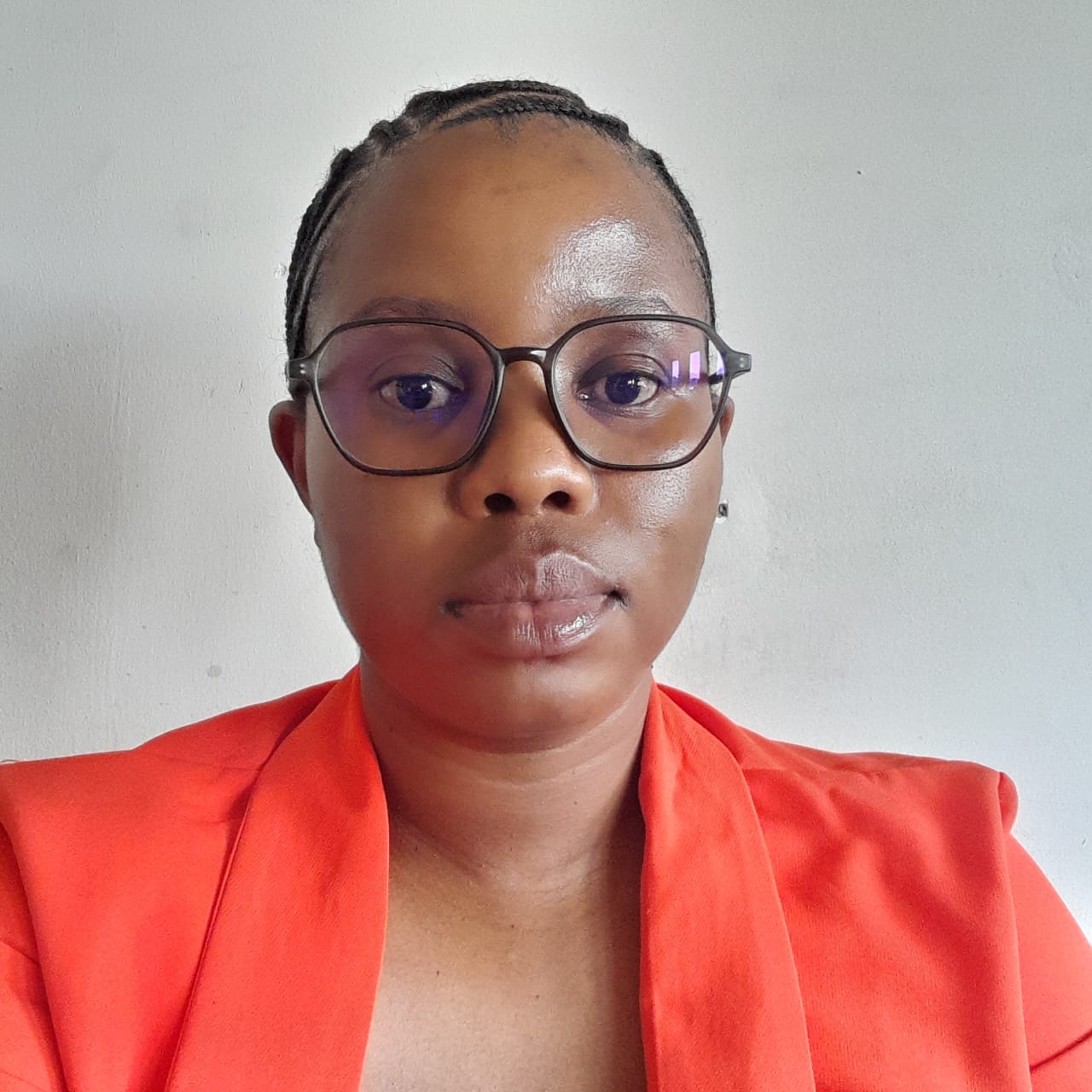
Ntsoaki Motaung is an award-winning health journalist from Lesotho, specializing in community health stories with a focus on sexual and reproductive health and rights, as well as HIV. She has contributed to platforms like “Be in the KNOW,” highlighting issues such as the exclusion of people with disabilities from HIV prevention efforts in Lesotho.
In addition to her journalism, Ntsoaki serves as the Country Coordinator for the Regional Media Action Plan Support Network (REMAPSEN). She is also a 2023 CPHIA Journalism Fellow.