
Over the past weeks, the world has experienced significant volatility in crude oil prices due to the ongoing war in the Middle East involving the Islamic Republic of Iran, Israel, and the United States.
The conflict has disrupted energy supplies, with Iran leveraging the Strait of Hormuz, a critical chokepoint for crude oil exports from the Gulf, as a strategic bargaining tool.
These developments have plunged global markets into economic uncertainty, with commodity prices expected to surge. Concerns over food security are also mounting this year, exacerbated by the war that erupted on February 28, 2026, following Israeli and US strikes in which Iran’s Supreme Leader, Ayatollah Ali Khamenei, was killed in Tehran.
The United Nations Conference on Trade and Development (UNCTAD) has warned that disruptions in the Strait of Hormuz are particularly alarming.
The waterway typically carries about one-third of global seaborne trade in fertilisers and other agricultural chemicals, alongside roughly 20-25 percent of the world’s seaborne crude oil, significant volumes of liquefied natural gas (LNG), and other essential goods.
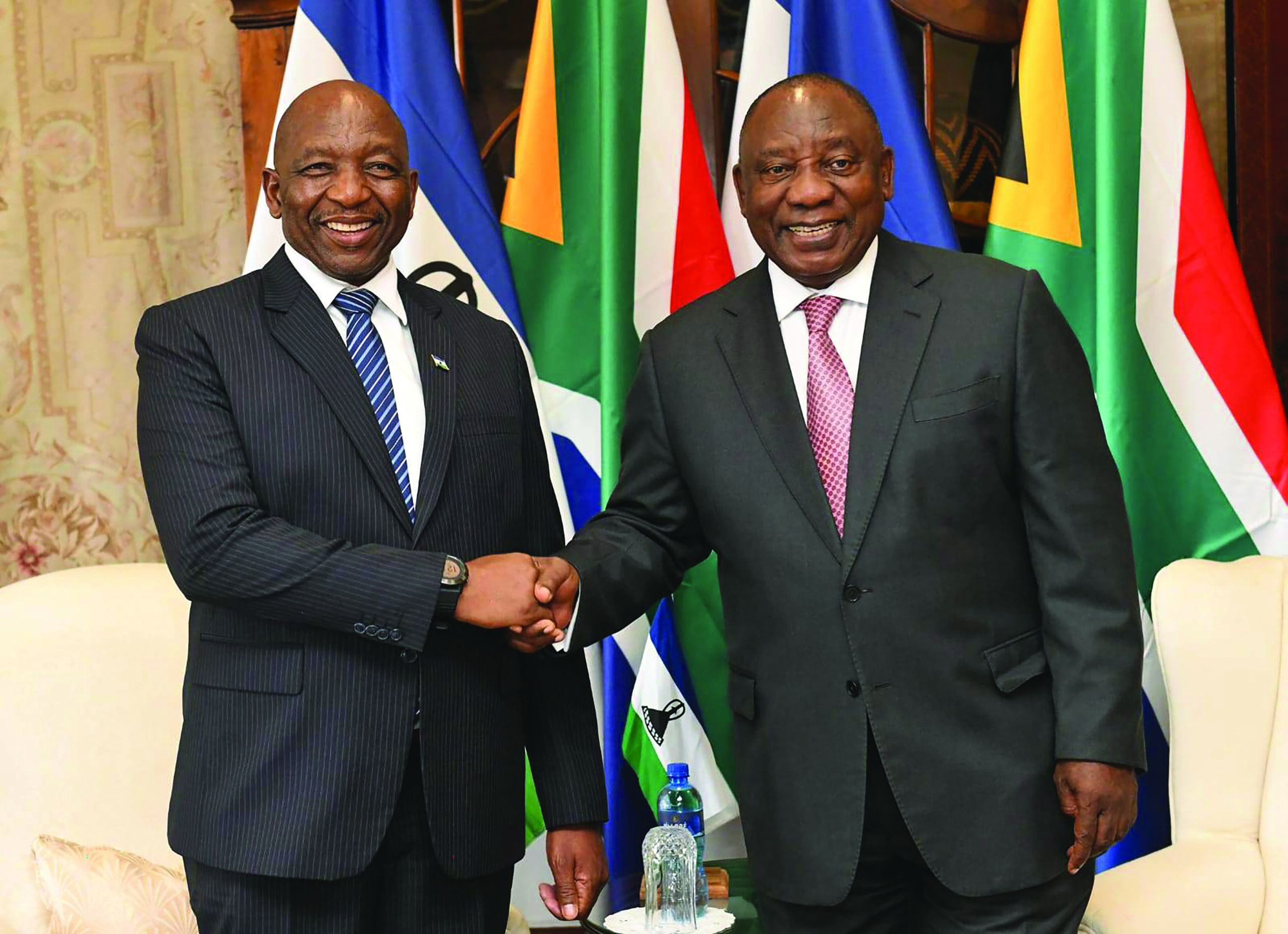
This week saw unprecedented fuel price increases in Lesotho. In a televised address, Prime Minister Ntsokoane Samuel Matekane announced sharp rises but confirmed that the government would subsidise part of the cost to cushion consumers.
Paraffin increased by M13.00 to M26.30 per litre; with a M5.00 government subsidy, consumers will pay M21.30 per litre.
Petrol 93 rose by M6.70 to M24.50 per litre; a M2.00 subsidy reduced it to M22.50 per litre.
Petrol 95 increased by M7.35 to M25.30 per litre; after a M2.00 subsidy, it will sell for M23.30 per litre.
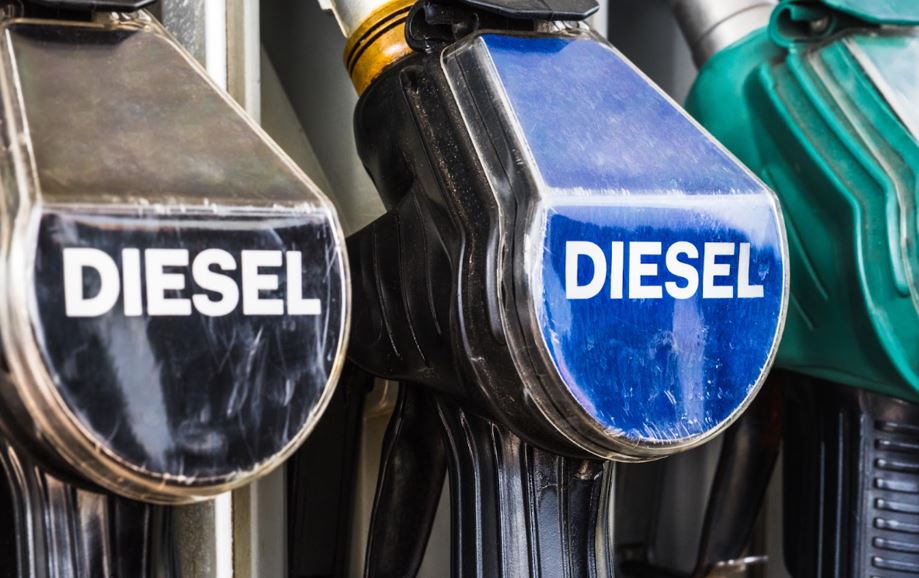
Diesel 50 jumps by M13.10 to M32.50 per litre; a M2.00 subsidy lowered the pump price to M30.50 per litre.
The government said the move aims to shield consumers from the worst of the fuel shocks while maintaining steady supplies.
The economic ripple effects of the conflict are already triggering inflation and supply-chain disruptions. Many workers and students in Lesotho depend on the taxi industry for daily commutes to work and school.
Unlike fuel, this sector receives no direct government subsidy, though fares remain regulated.
Some commuters have already started walking to save on transport costs, even before the latest fuel hikes take full effect.
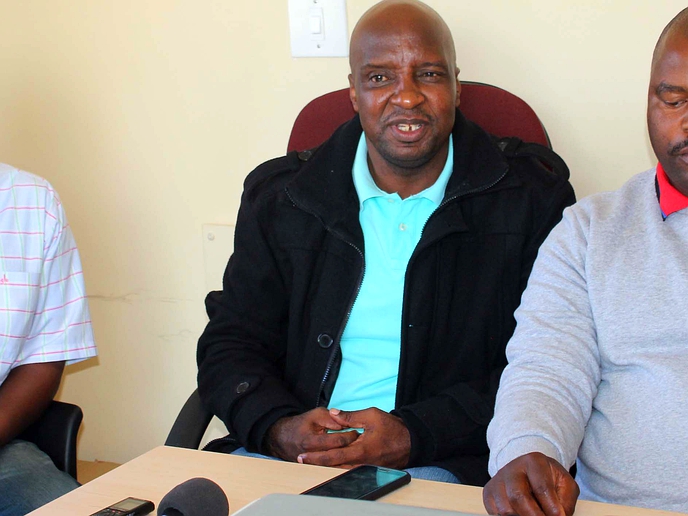
Lebohang Moea, public relations officer for the Maseru Region Transport Operators (MRTO), told this publication that public transport fares are expected to rise, with new rates likely to be published on 1 May.
Moea said operators held discussions with the Transport Board at the Ministry of Public Works and Transport and submitted proposals for revised fares. He noted that these talks began in December 2025 and were not solely driven by the recent fuel spike.
Further consultations with the government are needed, Moea added, as higher fares may not be sustainable for the struggling public. The proposed local fare in Maseru is M15, subject to board approval.
Operators are also calling for government subsidies on public transport, as they do not plan further increases within the next year.
Nkareng Letsie of the Consumer Protection Association criticised subsidies as unsustainable. He warned that diverting funds this way could strain government coffers and affect future generations, particularly children.
Instead, Letsie suggested cutting taxes on essential products. He also urged suspending the fuel levy.
The government has already zero-rated certain commodities, including sunflower oil, fruit, vegetables, and bread, for a three-month period.
Letsie emphasised that borrowing for consumption is not viable; any loans should focus on strategic investments. While acknowledging short-term relief from the subsidies, he reiterated calls to suspend the fuel levy and advised the government to remain neutral in the conflict.
He urged Lesotho to join other nations in pressing US President Donald Trump to pursue peace with Iran, citing the devastating global impacts of the war.
US Secretary of State Marco Rubio stated that American involvement was intended to preempt imminent Iranian retaliatory attacks, which were themselves a response to Israeli actions. Rubio described the operation as “Operation Epic Fury.”
Fears are growing that prolonged conflict could lead to global fuel shortages. Asset management firm JP Morgan has noted that the surge in energy prices and market corrections could limit how long the confrontation can continue from Washington’s perspective.
Key factors include munitions availability, market reactions, and US mid-term political considerations.JP Morgan analysts highlight that, while Iran itself accounts for only about four percent of global crude oil supply, the Strait of Hormuz serves as a major chokepoint.
Its potential closure or severe disruption could affect roughly 20 percent of global oil supply (or up to 38 percent of seaborne crude in some estimates), along with 17-20 percent of global LNG.
Summary
- Over the past weeks, the world has experienced significant volatility in crude oil prices due to the ongoing war in the Middle East involving the Islamic Republic of Iran, Israel, and the United States.
- The conflict has disrupted energy supplies, with Iran leveraging the Strait of Hormuz, a critical chokepoint for crude oil exports from the Gulf, as a strategic bargaining tool.
- While acknowledging short-term relief from the subsidies, he reiterated calls to suspend the fuel levy and advised the government to remain neutral in the conflict.
Thoboloko Ntšonyane is a dedicated journalist who has contributed to various publications. He reports on accountability, human rights, exposes corruption and wrong doing by those in power. He reports have exposed corruption, abuse of power, fraud, misconduct and negligence. He subscribes to evidence-based reporting. He reports on governance, parliament, courts, climate change, human rights, sexual and reproductive health rights (SRHR), health, business and agriculture. He gives a voice to the marginalised while also demanding accountability. His work inspires change, triggers dialogue and also promote transparency in a society.