
- But more work lies ahead
Lesotho has achieved a major victory in the fight against one of its biggest health challenges, multidrug-resistant tuberculosis (MDR-TB).
According to results from the 4th Lesotho National Anti-Tuberculosis Drug Resistance Survey (2023-2024) shared at the 14th National Health Research Symposium held on Thursday, the country has seen a remarkable 55 percent drop in MDR-TB cases.
This is a huge step forward for public health in Lesotho and brings hope to many families affected by TB.
But experts warn that this good news does not mean the fight is over. To keep these gains, Lesotho must continue to carefully monitor drug resistance and focus on helping groups most at risk.
The 14th National Health Research Symposium gathered researchers, health professionals, government officials, development partners, and other stakeholders from all over Lesotho and beyond.
The main theme was “Advancing Universal Health Coverage”, making sure everyone can get the health services they need without suffering financial hardship.
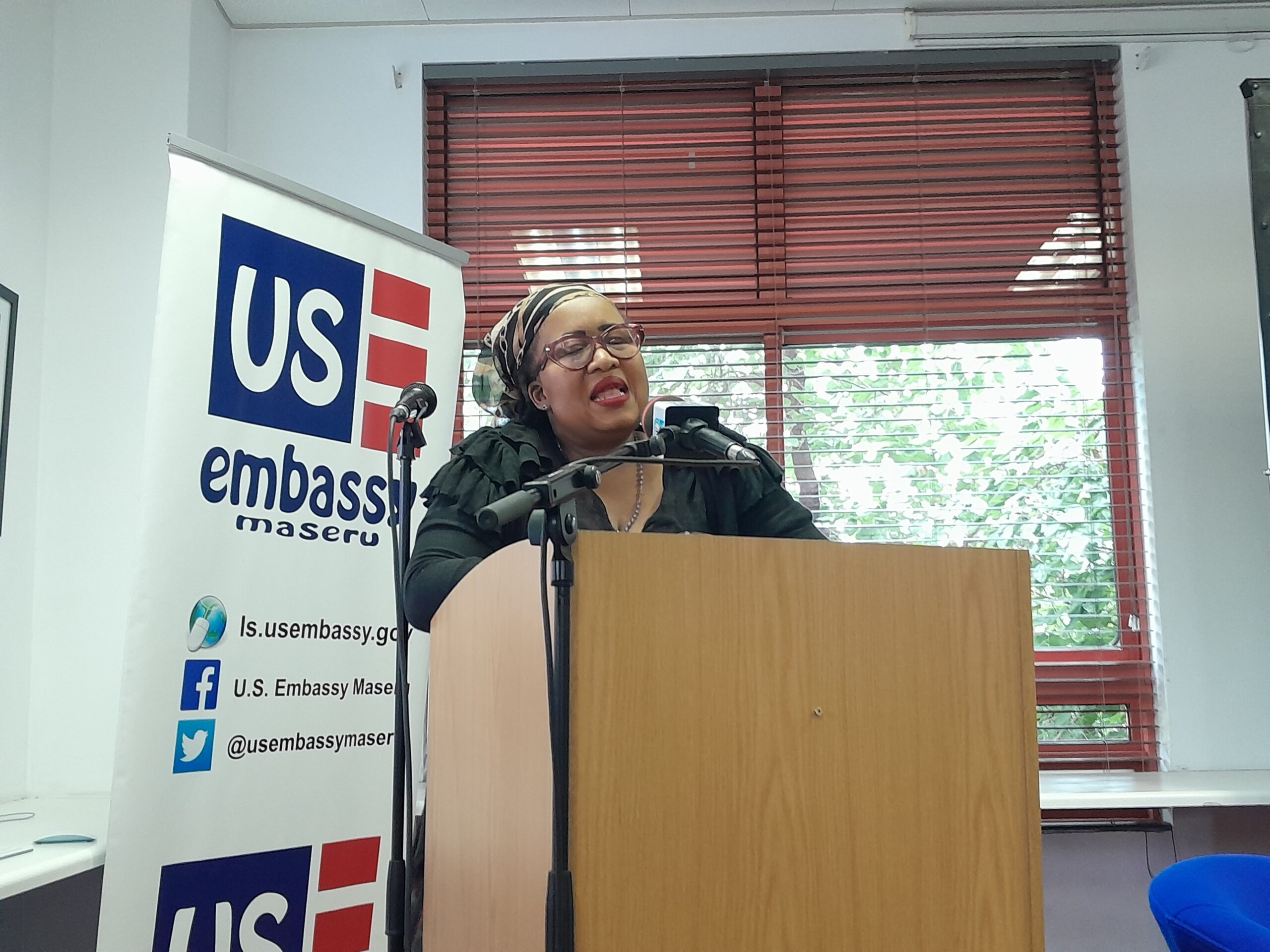
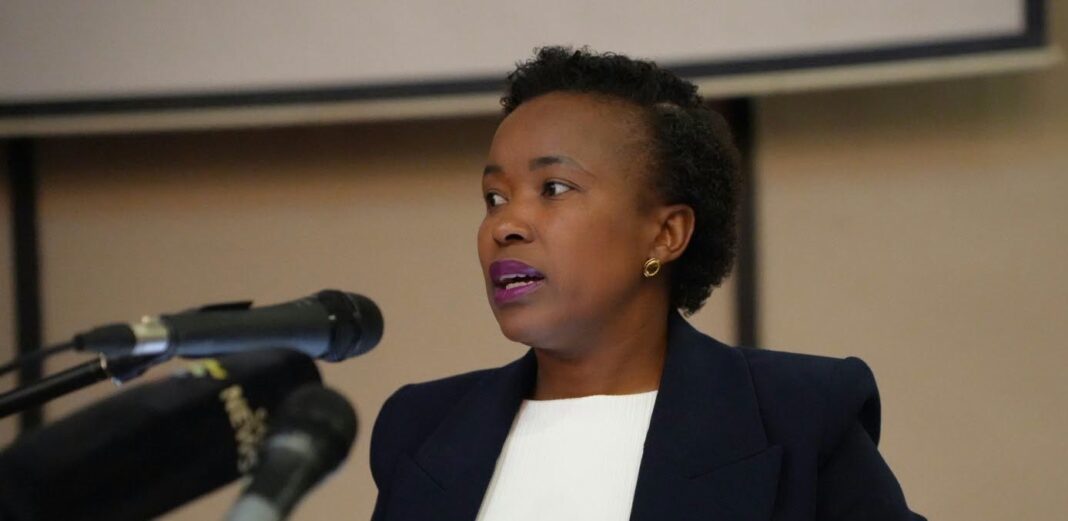
‘Mamokete Ntšekhe, the Minister of Health, highlighted the importance of research in improving health services.
“Research is not just about writing reports or publishing scientific papers,” she said.
“It must help us answer important questions, What is working? What is not working? Who is being left behind? What interventions give the greatest health benefit? And how can we deliver these services with the resources we have?”
Dr. Lawrance Oyewusi, a clinical researcher and expert on TB and HIV, presented the early results from the latest anti-TB drug resistance survey. The survey was done to check how well Lesotho’s new TB treatment program is working, especially after the country started using new oral medications in 2018.
The study included over 1,100 people with TB from all across Lesotho. Most of the people affected were between 24 and 64 years old, the age group that forms the backbone of the country’s workforce.
“The results are encouraging, MDR-TB cases have dropped by more than half over 55 percent compared to previous years. There were no cases of Pre-extensively drug-resistant TB (pre-XDR or XDR-TB) “forms of TB resistant to even more drugs” found among the patients tested. All samples checked for resistance to newer medicines like bedaquiline and linezolid came back as susceptible meaning these drugs are still working well in Lesotho,” he said.
Dr.Oyewusi explained, “Lesotho has achieved a significant reduction in MDR-TB rates. Sustaining this progress requires rigorous ongoing surveillance and targeted interventions for key populations. We need to keep testing for drug resistance and use new technologies to catch any new cases early.”
Despite the good news, the survey also found some areas that need urgent attention including that, not all health facilities can test for resistance to the newest TB drugs because of shortages in lab supplies and equipment.
Some TB cases may be missed if health workers do not test all patients for drug resistance, as required by national guidelines. The biggest risk factors for drug resistance are previous TB treatment, HIV infection, and frequent alcohol use.
Oyewusi stressed, “Many times, patients are treated several times before we find out they have a resistant form of TB. We need to test everyone with TB for drug resistance from the start.”
The Minister of Health, Ntšekhe, reminded everyone that research must lead to action.
“The real value of research is when we turn evidence into better policies, programs, and services. We must use what we learn to strengthen our health system and make sure nobody is left behind,”she said.
The Director General of Health Services, Dr. Llang Maama, also praised the work of researchers and all the partners who made the symposium possible.
“Universal Health Coverage remains a top priority for Lesotho. To achieve it, we need more than good intentions, we need good evidence and strong partnerships,” she said.
The National Health Research and Ethics Committee (NHREC) thanked all the researchers, health workers, institutions, and patients who made the survey and symposium possible. Special thanks went to SolidarMed Lesotho, the University of Basel, and other partners for their technical and financial support.
“Without your hard work and dedication, we would not have this important national platform to share and use research,” said Dr. Jill Sanders, co-chair of the NHREC.
Summary
- According to results from the 4th Lesotho National Anti-Tuberculosis Drug Resistance Survey (2023-2024) shared at the 14th National Health Research Symposium held on Thursday, the country has seen a remarkable 55 percent drop in MDR-TB cases.
- Lawrance Oyewusi, a clinical researcher and expert on TB and HIV, presented the early results from the latest anti-TB drug resistance survey.
- Despite the good news, the survey also found some areas that need urgent attention including that, not all health facilities can test for resistance to the newest TB drugs because of shortages in lab supplies and equipment.
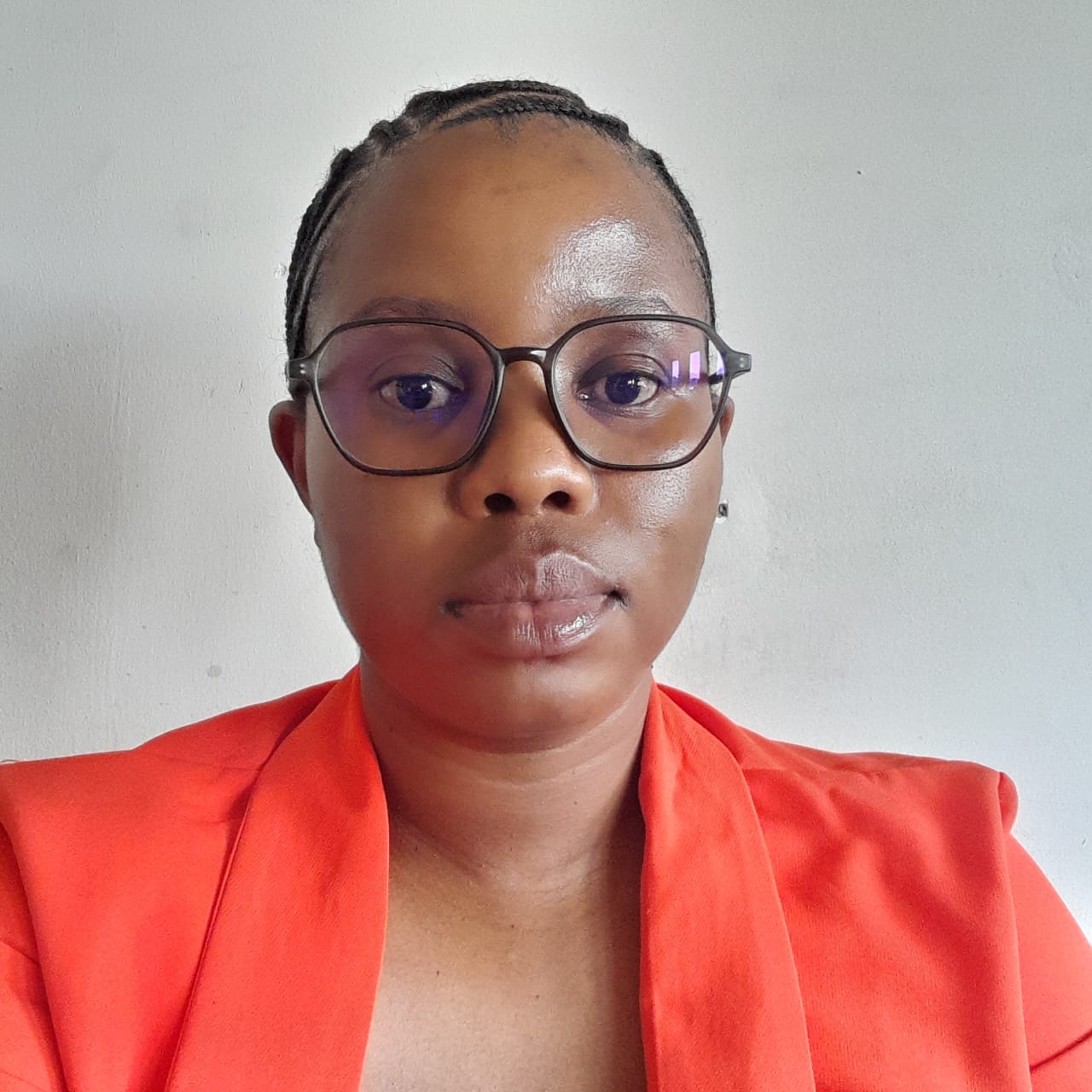
Ntsoaki Motaung is an award-winning health journalist from Lesotho, specializing in community health stories with a focus on sexual and reproductive health and rights, as well as HIV. She has contributed to platforms like “Be in the KNOW,” highlighting issues such as the exclusion of people with disabilities from HIV prevention efforts in Lesotho.
In addition to her journalism, Ntsoaki serves as the Country Coordinator for the Regional Media Action Plan Support Network (REMAPSEN). She is also a 2023 CPHIA Journalism Fellow.