
In 1870, India’s High Commissioner to Lesotho Shri Prabhat Kumar told this week’s India-Lesotho Business Dialogue, that a small band of Indian traders trekked from Durban to Botha-Bothe and swapped their goods for sheep.
Today the two countries trade pharmaceuticals, machinery, textiles and garments, yet the total remains modest: about US$8.47 million, roughly M140 million, in the 2025-26 financial year, according to reported figures.
That is a sliver of the wider picture. Trade between India and the Southern African Customs Union (SACU) reached about US$16 billion in 2025, according to International Trade Centre data. Both governments now say they want the next chapter to be about commerce rather than courtesy calls.
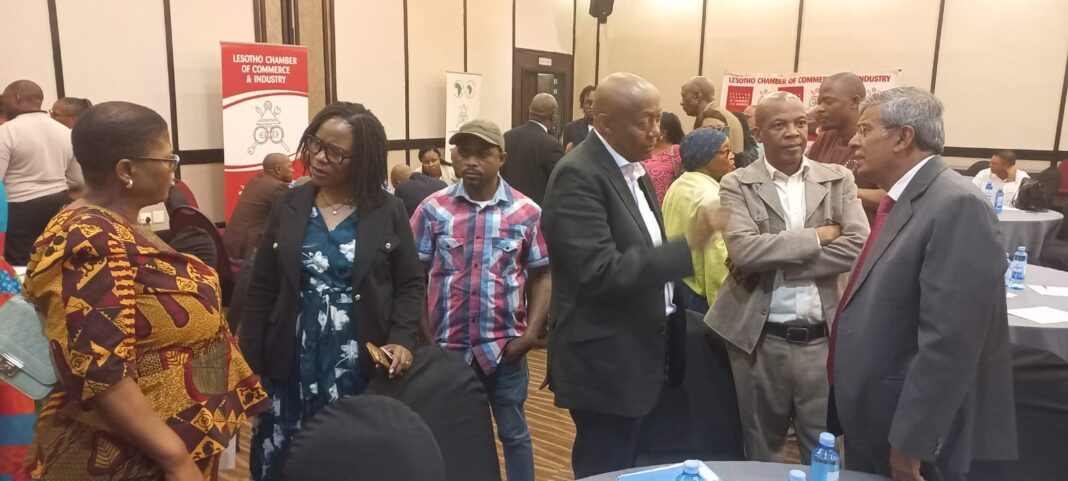
The dialogue, organised by the Indian High Commission to South Africa and Lesotho, centred on whether the private sector can turn good relations into economic gains. Honorary Consul of India to Lesotho Biju Abraham Korah hailed it as a landmark for the two nations.
High Commissioner Prabhat Kumar said cooperation already spans capacity building, agriculture, health, education, infrastructure, technology, defence, trade, cybersecurity and culture. He traced the commercial link back to those first traders.
“The local residents welcomed them, providing accommodation and allowing them to barter their goods in return for the sheep. This was the beginning of a long association of the people of these two cultures. Since then, India has carried on trade and commerce with the country,” he said.
Kumar said India’s exports to Lesotho are marked by regular supplies of pharmaceuticals, machinery and electronics, while its major imports from Lesotho include textiles, wool and garments.
The diplomatic groundwork is well advanced. The two countries’ Joint Bilateral Commission for Cooperation met in New Delhi on 30 July 2026 and reviewed the full spectrum of ties, including trade and economic cooperation, with the next session due in Maseru in 2027.
In July 2025, Lesotho and India signed a memorandum of understanding on digital public infrastructure, paving the way for India to share expertise in digital identity systems, DigiLocker and AI-driven public services to support Lesotho’s digital transformation.
The bigger prize may be regional. In August, SACU and India signed the Terms of Reference to guide negotiations towards a preferential trade agreement, on 12 August in New Delhi.
Such a pact typically cuts duties on an agreed list of products rather than covering everything a full free trade agreement would, and India is seeking tariff relief for cars, pharmaceuticals and industrial machinery. The negotiating framework reportedly covers eight areas, including market access, rules of origin and dispute settlement.
As a SACU member, Lesotho is expected to benefit through exporters such as diamond traders and garment factories.
Financing is part of the pitch. Exim Bank of India Resident Representative Shyamasish Acharya said the bank has facilitated transactions for micro, small and medium enterprises (MSMEs) in more than 70 countries across Africa, Latin America, Europe, the United States and Southern Asia.
He said the bank supports industries spanning automotive, iron and steel, agriculture, food, textiles and chemicals, and can facilitate cross-border partnerships, investments and industrial development projects.
Lesotho National Development Corporation (LNDC) General Manager for Development Finance Marina Bizabani welcomed the discussions and set a deadline. She said memoranda of understanding and strategic meetings between the two business communities should materialise within 100 days. She said the LNDC would act on the government’s behalf and take the first step to ensure action follows.
Bizabani told potential Indian investors that Lesotho is a base for production and a gateway to vast global markets.
“We are here to demonstrate how LNDC provides a ready to invest pipeline of opportunities to you our potential partners from India. We have industrial parks that are ready for production; we have some plans for economic zones where we are looking for partnerships to come and explore a number of opportunities in strategic sectors.”
Basotho traders were less effusive. ‘Manthabeleng Phakoe, who trades with Indian partners, described the relationship as fruitful but appealed for honesty and trust. She said it can be cumbersome at times because some Indian business partners leave the country without settling their debts. She urged retailers and wholesalers to give more shelf space to Basotho producers.
“Indians should trade in Lesotho and not sell.”
Economist Thabo Qhesi said a dispute-resolution mechanism is needed, warning that disputes can be costly to resolve without one and can harm businesses. He said the settlement process should be clearly defined because it is an important component of doing business. Such provisions in trade pacts generally govern disputes between governments, so whether traders like Phakoe would be covered is a question the negotiations will have to answer.
Minister of Trade, Industry and Business Development Motlatsi Maqelepo said there was no better time to talk business than 60 years after independence.
“Lesotho is open to business but not business as usual.”
He said Lesotho sees significant opportunities in renewable energy, digitalisation, agro-processing and agriculture, and announced an upcoming business dialogue hosted by the LNDC, to which potential investors will be invited to explore the country’s investment opportunities.
“Our ambition is to accelerate industrialisation and economic diversification by attracting investment that creates value in our skills, introduces technologies and connects Basotho businesses to regional and global markets,” Maqelepo said.
Summary
- The two countries’ Joint Bilateral Commission for Cooperation met in New Delhi on 30 July 2026 and reviewed the full spectrum of ties, including trade and economic cooperation, with the next session due in Maseru in 2027.
- In July 2025, Lesotho and India signed a memorandum of understanding on digital public infrastructure, paving the way for India to share expertise in digital identity systems, DigiLocker and AI-driven public services to support Lesotho’s digital transformation.
- Such a pact typically cuts duties on an agreed list of products rather than covering everything a full free trade agreement would, and India is seeking tariff relief for cars, pharmaceuticals and industrial machinery.
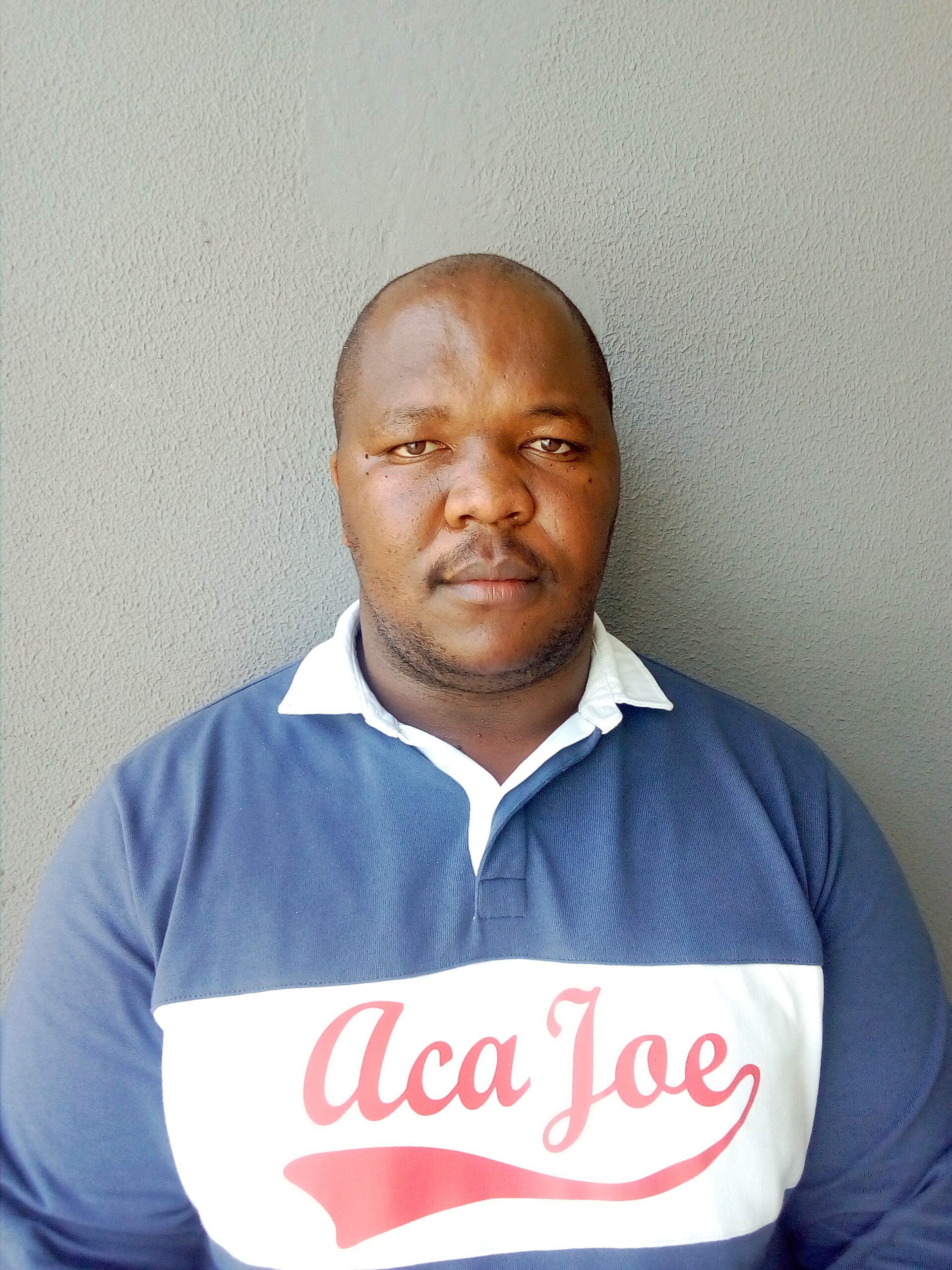
Thoboloko Ntšonyane is a dedicated journalist who has contributed to various publications. He reports on accountability, human rights, exposes corruption and wrong doing by those in power. He reports have exposed corruption, abuse of power, fraud, misconduct and negligence. He subscribes to evidence-based reporting. He reports on governance, parliament, courts, climate change, human rights, sexual and reproductive health rights (SRHR), health, business and agriculture. He gives a voice to the marginalised while also demanding accountability. His work inspires change, triggers dialogue and also promote transparency in a society.