

The government has stepped in to address the pay crisis facing Lesotho’s dairy farmers, dissolving the Lesotho Dairy Products (LDP) board and taking direct control of the dairy industry until a new board is established in November.
The Ministry of Agriculture, Food Security and Nutrition will manage the sector in the interim. The move follows months of complaints from farmers over delayed payments for the milk they supply, with some going about two months without pay.
Minister of Agriculture, Food Security and Nutrition Selibe Mochoboroane said the Ministry had investigated the root causes of the problems at LDP, focusing on its ownership and management structures.
One finding was that shareholders had been reshuffled without the consent of all shareholders.
“The investigations were conducted to establish the root causes of the challenges at Lesotho Dairy Products, focusing on its ownership and management structures, and one of the findings is that shareholders were reshuffled without the consent of all shareholders,” the Minister said.
“Lesotho agreed with Canada in 1985 to establish Lesotho Dairy Products. The company is owned by shareholders including the government and farmers, with the Lesotho National Dairy Board (LNDB) holding a 60 percent shareholding on behalf of government.”
Mochoboroane pointed out that the problems began in 2015, after the government introduced its one-stop-shop initiative, which affected the company’s shareholding arrangements.
“The LNDB subsequently recalled its representatives from the Lesotho Dairy Products board, while farmers also recalled their representatives, leaving the company without a properly constituted board.”
The Ministry now intends to fill that gap and set the industry on a firmer footing.
“The Ministry of Agriculture will engage shareholders, including government, farmers and employees to establish a new board in November to determine the company’s future management and operations.”
“The new board will be expected to determine how the company will operate, including how milk will be processed. We have heard farmers’ concerns, and we are committed to addressing them,” Mr. Mochoboroane said.
LNDB farmers’ representative Nts’ibane Nts’ibane said LDP had been operating under individuals rather than a properly constituted board.
“The planned changes will provide a lasting solution even though results will not be immediate.
“A business should generate profit through effective operations while protecting the interests of its employees,” he said, adding that employees also had concerns that needed attention.
He said resolving the challenges would help farmers receive the services they need and enable shareholders to realise value from their investments.
On his part, the Permanent Secretary in the Ministry, Khothatso Ts’ooana, said the Ministry is working to restore order in the dairy sector and end the suffering of farmers.
“As a Ministry, we are working hard to put everything to avoid long periods of suffering for our dairy farmers. It is unacceptable for a farmer to wake up every morning to milk cows and then wait two months without pay.
“More investigations are continuing to assess the finances owed to farmers, and once the findings are out, farmers will know, and we will account for every litre that was delivered, and we will make the report public,” Ts’ooana said.
Summary
- The government has stepped in to address the pay crisis facing Lesotho’s dairy farmers, dissolving the Lesotho Dairy Products (LDP) board and taking direct control of the dairy industry until a new board is established in November.
- “The investigations were conducted to establish the root causes of the challenges at Lesotho Dairy Products, focusing on its ownership and management structures, and one of the findings is that shareholders were reshuffled without the consent of all shareholders,” the Minister said.
- On his part, the Permanent Secretary in the Ministry, Khothatso Ts’ooana, said the Ministry is working to restore order in the dairy sector and end the suffering of farmers.
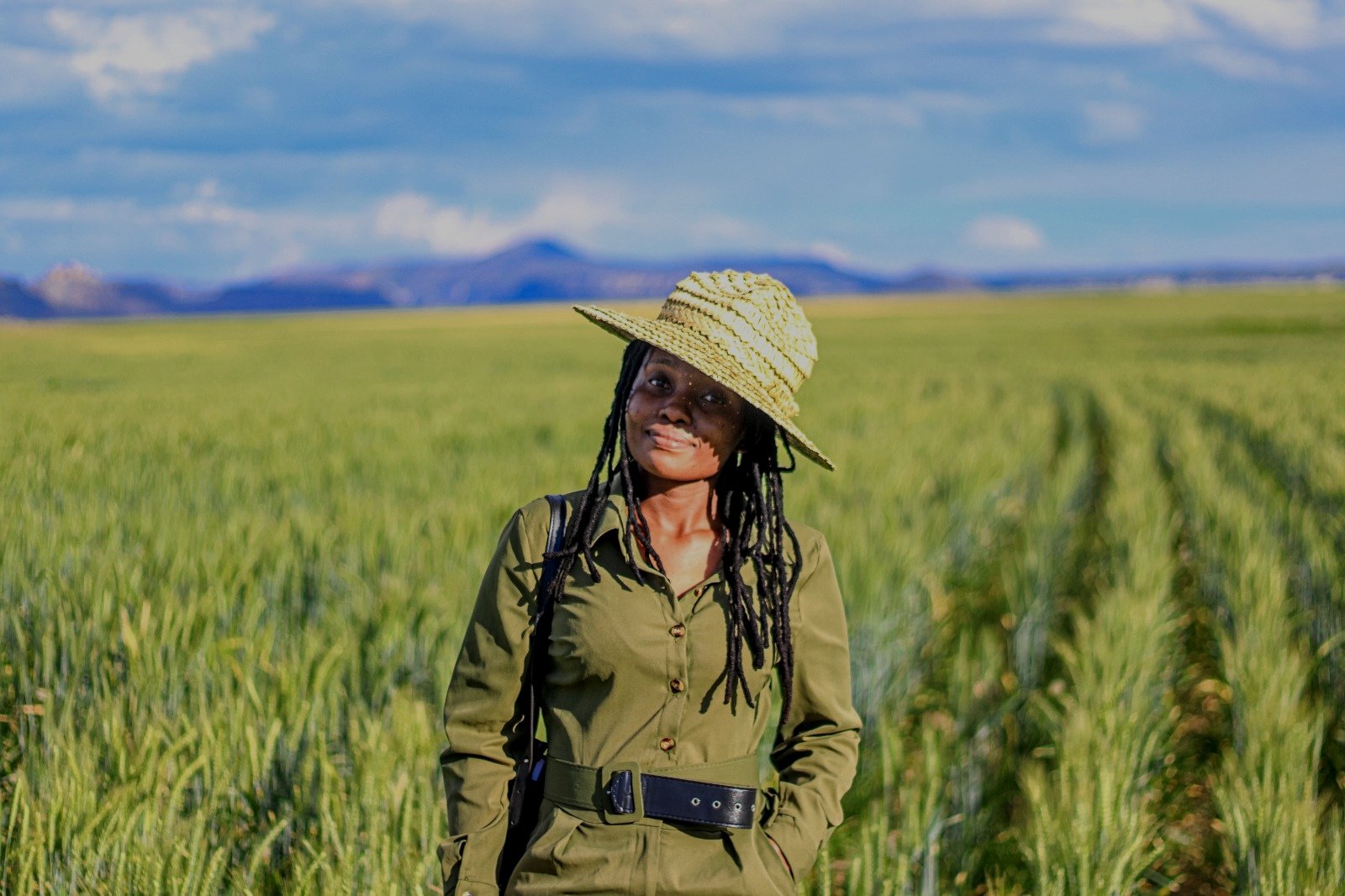
Topollo Tlali is an Agricultural journalist with a strong commitment to reporting the overlooked realities of Agriculture and the lived experiences of rural communities across Lesotho. Her work focuses on the intersection of climate change, food security, indigenous knowledge systems, sustainable Agriculture and youth-led innovation, with particular attention to the challenges facing women farmers, livestock producers and smallholder communities.
She is passionate about bridging the gap between scientific research, public policy and the everyday realities of rural livelihoods through accessible, evidence-based journalism. Her reporting consistently amplifies voices that are often excluded from national development conversations while highlighting practical solutions that strengthen agricultural resilience.