
Bereng Mpaki and Seabata Mahao
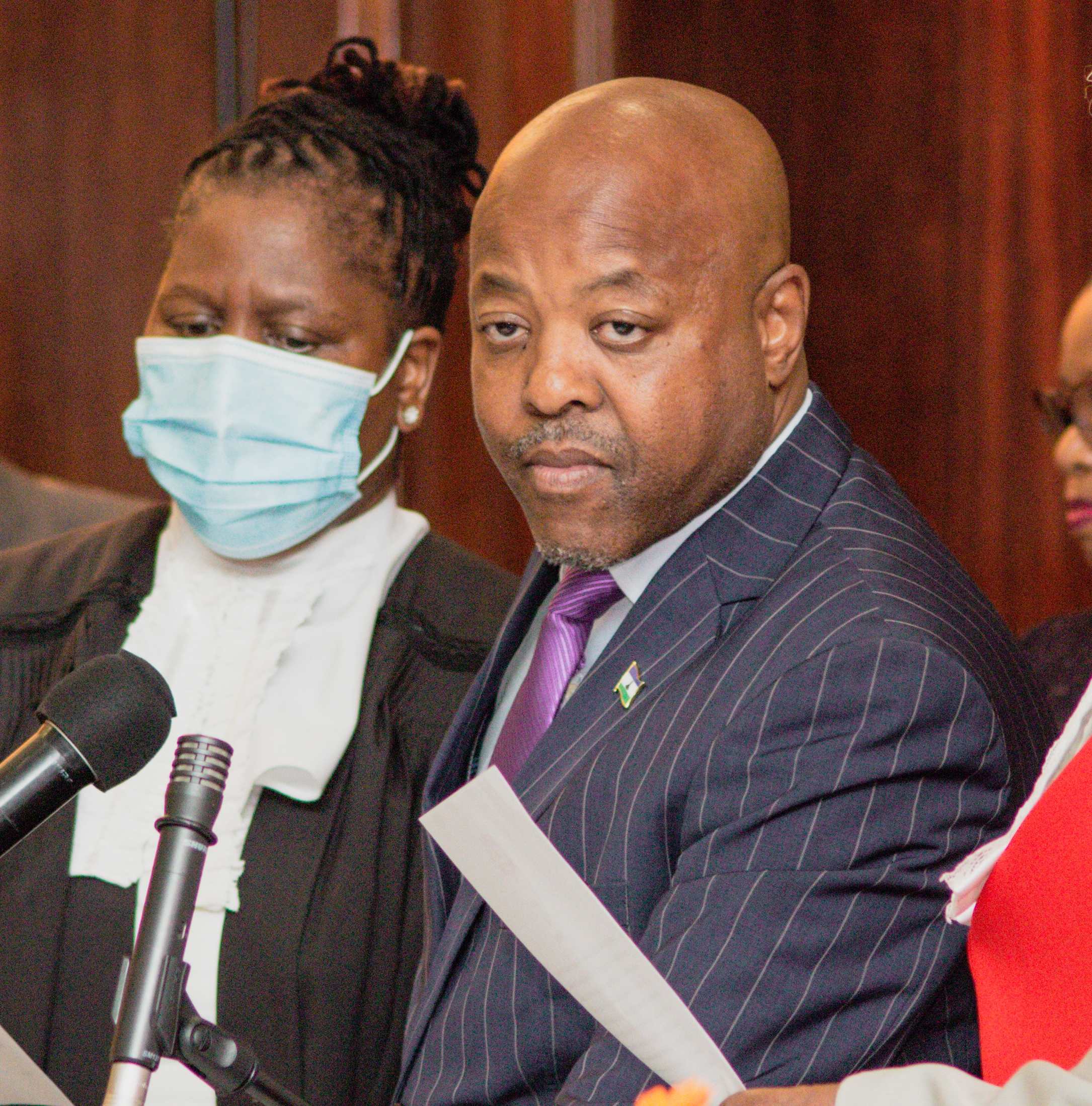
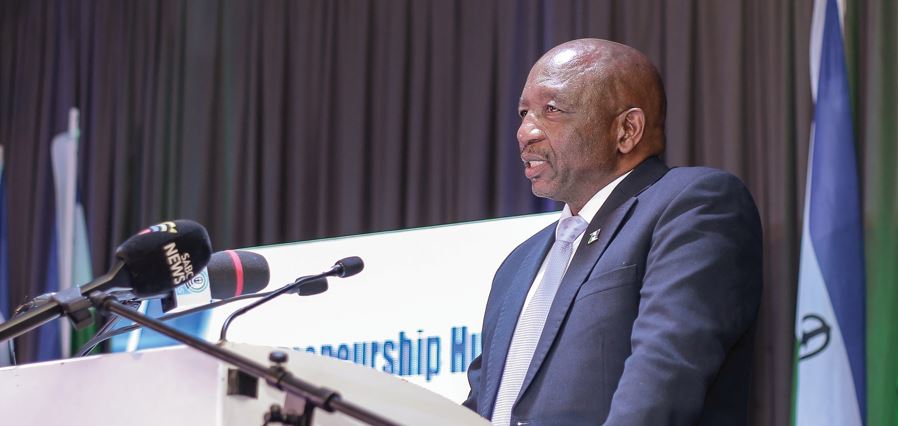
Tourism Minister Mputi Steven Mputi recently introduced his own Principal Secretary (PS), Thabo Moleko, as the new chairperson of the Lesotho Tourism Development Corporation (LTDC) board.
He said they had worked together for a long time and called Moleko a hard worker.
What he did not say is that the appointment continues a practice that has run through Lesotho’s state-owned enterprises (SOEs) for decades. It is often cited as one of the reasons many of them struggle or fail.
The practice is simple. The PS of the ministry that supervises a parastatal becomes chairperson of its board. The concern is not about Moleko as a person. It is about the arrangement, which puts a civil servant who answers to the executive in charge of a corporation that should answer to its mandate. It is also happening in 2026, months after government promised to end it.
Conflicted by design
A serving PS is conflicted by design. Recent changes to the recruitment of PSs under the Tenth Amendment to the Constitution Act have not changed who they report to: the Government Secretary, who is appointed by the Prime Minister. A PS who chairs a board may therefore feel pressed to put the wishes of political superiors ahead of the corporation’s commercial interests, especially when the two clash.
The Mohlomi Corporate Governance Code, developed by the Institute of Directors of Lesotho (IoD Lesotho), says SOE board chairpersons should be appointed independently and not through political connection.
Launched in 2021, it has 22 key principles in six clusters, including board leadership, audit, risk, digital governance and sustainability reporting. Its advice goes against the old norm of PSs chairing parastatal boards. The code is direct about this:
“The concept of independent chairperson is foreign to most organisations in Lesotho. Principal Secretaries are automatically appointed to serve as board chairpersons of many SOEs. The majority shareholder appoints or assumes the chairpersonship of organisations by virtue of having controlling stake and more votes.
“Principal Secretaries are appointed on the basis of their political affiliations to be chief accounting officers of government ministries. Anyone who has a political connection can be appointed as a principal secretary but this does not make him or her suitable to serve as a board member, let alone as a chairperson of the board of an SOE,” the code reads in part.
The IoD Lesotho has also urged government to stop appointing people to key SOE positions on political affiliation and to consider merit instead.
International practice points the same way. The Organisation for Economic and Cooperation and Devevelopment (OECD) guidelines on SOE governance say the state should be an informed owner but stay out of day-to-day management. South Africa’s King Codes stress an independent, non-executive chair. Singapore and Norway, which the Deputy Prime Minister cited when she opened the Africa SOE Corporate Governance Summit in Maseru in August, keep ministers and serving officials at arm’s length from SOE boards.
Big promises, little change
The strongest backing for the code came from the top. Addressing an IoD Lesotho conference in May 2026, Prime Minister Ntsokoane Matekane said his government fully endorses it.
“The Government of Lesotho through the Cabinet formally endorses the Mohlomi Code of Corporate Governance as the reference standard for governance conduct across public institutions, State-Owned Enterprises, Government-linked entities, and the broader corporate sector. We do not merely commend the Mohlomi Code and the Institute of Directors – we commit to its adoption, its operationalisation, and its institutionalisation within the machinery of the state,” Matekane said.
He promised to build the code’s principles into the governance mandates and performance frameworks of every SOE and public entity. He also promised to make them a core pillar of the National Strategic Development Plan, so that good governance drives development and is not just a box to tick.
Finally, he promised to build accountability, transparency and responsibility to stakeholders into the conduct frameworks of public servants, from Cabinet ministers to frontline civil servants.
At the August summit, government itself named depoliticising SOE boards, with emphasis on competence and professionalism, as one of its reform pillars. Yet the Moleko appointment shows that, on the ground, little has changed.
Chaka Nkofo, a corporate governance expert and a Quality Assurance Committee member of the Mohlomi Committee, said appointing PSs to chair SOE boards has been a common governance misstep for many state entities over the years in Lesotho.
“It is not only Minister Mputi who got it wrong, it has been done wrongly against best practice for many years in the past in Lesotho,” Nkofo said.
He said the Prime Minister’s endorsement of the code makes it government policy, which must now be put into practice in public departments if Lesotho is to achieve the governance transformation it needs.
Not an isolated case
Moleko is not an exception. The Ministry of Trade’s PS, Palesa Matobako, chairs the board of the Lesotho National Development Corporation (LNDC), while her deputy chairs the Basotho Enterprise Development Corporation (BEDCO) board.
Nthoateng Lebona, the PS of the Ministry of Finance and Development Planning, chairs the board of trustees of the Public Officers Defined Contribution Pension Fund (PODCPF).
The PODCPF shows what can go wrong. A 2025 report by Parliament’s Public Accounts Committee (PAC) exposed governance challenges at the fund. It said Lebona failed to submit required regulatory documents to the Central Bank of Lesotho on time. The PAC said:
“It is mandatory for all trustees to get a clearance through a fit and proper assessment which is conducted by the Central Bank Of Lesotho as the regulator, however evidence suggests that the Chairperson has failed to submit necessary documents before the deadline, and she has also failed to submit even when the period was extended, however all the other members had complied with this requirement.
“This non-compliance undermines the Fund’s legality and affects the legitimacy and credibility of the decision-making of the Board,” PAC said.
The committee recommended that the PODCPF Act be amended to allow alternative representation of statutory or employer trustees, such as the Chairperson or the Accountant General, if office holders fail to meet the legal fit and proper requirements.
It can be done
Not every entity follows this habit. After reviewing their founding legislation, some state entities have kept PSs off their boards. They include the Lesotho Electricity Company (LEC), Water and Sewerage Company (WASCO), Revenue Services Lesotho (RSL), the Lesotho Communications Authority (LCA) and Lesotho Water and Electricity (LEWA). This shows that independent leadership is possible in Lesotho.
Finance Minister Dr Retšelisitsoe Matlanyane told Parliament in December 2025 that Cabinet had resolved to audit all SOEs to decide which can be restructured and which should be shut down. She also admitted that some SOEs have grown while others have shrunk and collapsed.
In June, she said boards made up largely of government officials and ministerial appointees tend to lack independence, objectivity, industry knowledge and specialised skills. Her colleague Minister Mputi is now making exactly the appointment she criticised.
Research reaches the same conclusion. A review of Lesotho SOEs found poor governance, including breaches of the Public Financial Management Act and failures to submit audited financial results.
Still no national SOE policy
The deeper problem is that Lesotho has never finished the policy framework that would end these appointments. The World Bank’s country policy note pointed to fiscal implications and corporate governance shortcomings in the SOE sector.
In 2018, then-Finance Minister Moeketsi Majoro, later Prime Minister, launched a reform project with UK consultants Unicon. It aimed to develop a national SOE policy setting out government’s ownership objectives, with clear accountability and reporting lines, as well as a national corporate governance code. Eight years later, there is still no comprehensive SOE policy.
The International Monetary Fund’s 2025 Article IV consultation says SOEs continue to suffer chronic governance and efficiency shortcomings that undermine fiscal sustainability. The Fund has also warned of fiscal risks from loans and guarantees issued to SOEs. Taxpayers carry those risks.
Summary
- It is about the arrangement, which puts a civil servant who answers to the executive in charge of a corporation that should answer to its mandate.
- Anyone who has a political connection can be appointed as a principal secretary but this does not make him or her suitable to serve as a board member, let alone as a chairperson of the board of an SOE,” the code reads in part.
- He also promised to make them a core pillar of the National Strategic Development Plan, so that good governance drives development and is not just a box to tick.
Welcome to Newsday Media – Your Trusted Source for News and Insights in Lesotho!
At Newsday Media, we are passionate about delivering accurate, timely, and engaging news and multimedia content to our diverse audience. Founded with the vision of revolutionizing the media landscape in Lesotho, we have grown into a leading hybrid media company that blends traditional journalism with innovative digital platforms.
Our mission is simple: to inform, inspire, and empower our readers by providing comprehensive coverage of local and global events, current affairs, and cultural happenings. Whether you’re looking for breaking news, in-depth analysis, or captivating storytelling, Newsday Media is your go-to destination for all things news-related.
With a dedicated team of journalists, editors, and multimedia experts, we are committed to upholding the highest standards of journalistic integrity and professionalism. We pride ourselves on delivering content that not only informs but also sparks conversation, fosters understanding, and drives positive change in our society.
From our flagship newspaper to our dynamic digital platforms, we offer a wide range of multimedia content to cater to the diverse interests and preferences of our audience. Whether you prefer to stay informed through print, online articles, videos, or podcasts, Newsday Media has something for everyone.
We believe in the power of storytelling to connect people, bridge divides, and inspire action. That’s why we’re dedicated to providing a platform for voices from all walks of life, championing diversity, inclusion, and authenticity in everything we do.
Thank you for visiting Newsday Media. We invite you to explore our website, engage with our content, and join us on our journey to inform, inspire, and empower our community. Together, let’s shape the future of media in Lesotho.