
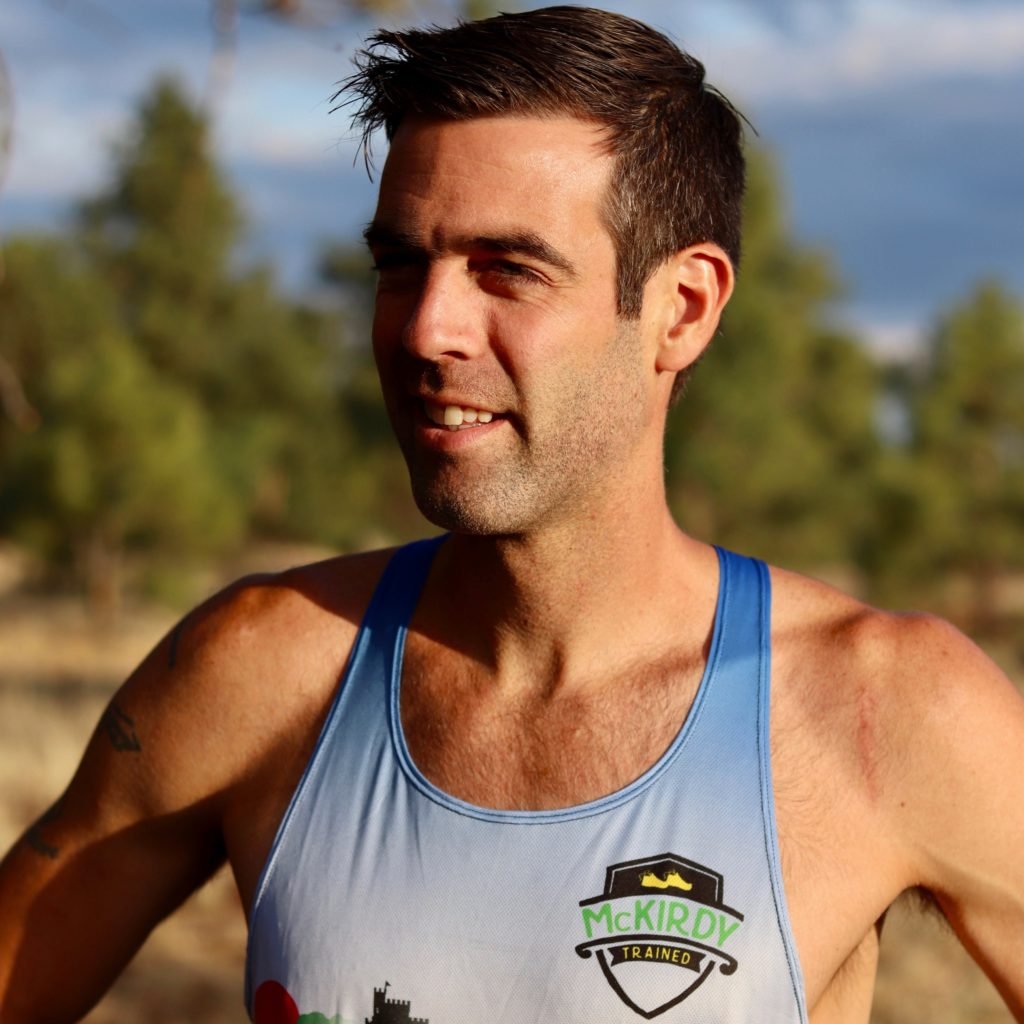
American marathon coach James McKirdy believes Lesotho has an abundance of untapped long-distance talent. He is confident the tiny kingdom can establish itself among the world’s leading marathon nations.
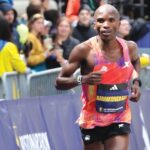
McKirdy runs the US-based McKirdy Trained coaching programme and has helped shape several of Lesotho’s leading distance runners, including Tebello Ramakongoana, ‘Neheng Khatala and Kamohelo Mofolo.
He says that with the right guidance, belief and long-term investment, Basotho athletes can achieve even more on the international stage.
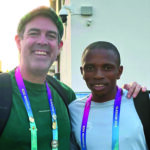
His link with Lesotho began unexpectedly in 2022 at the World Athletics Championships, where he was assigned to share a room with Ramakongoana. The airline had lost Ramakongoana’s luggage, while McKirdy had packed extra supplies for emergencies.
The two spent a lot of time together during the championships, and soon afterwards Ramakongoana asked him to become his coach.
“We have been together ever since,” McKirdy said.
About 15 Lesotho athletes are now under his guidance. Mofolo came to him through Ramakongoana, and McKirdy says he generally relies on recommendations from both runners when considering new athletes because he has complete trust in their judgement.
McKirdy has coached athletes in various capacities since 2001. He founded McKirdy Trained in January 2016, after realising that his experience with athletes of different abilities could form the basis of a coaching business.
Becoming an elite coach, he said, was never his ambition. He simply wanted to help people discover their full potential. Working with Basotho athletes has given him a new appreciation of Lesotho’s sporting promise.
“I believe Lesotho is an untapped region of the world holding great talent in running. I have found that the Basotho have often been overlooked and unseen. Truth be told, I never heard of the nation until I met Tebello in 2022,” he said.
“But there’s a strength amongst the people. And if we can find a way to instil belief with that strength, we will change the world of many Basotho.”
He singled out Ramakongoana’s discipline, determination and resilience, and said his work ethic is unlike anything he has encountered. While many celebrate the runner’s success today, McKirdy believes the sacrifices behind it deserve equal recognition.
“His work ethic is beyond anything I have ever seen. Everyone praises what he’s done presently but how he arrived to this moment can’t be overlooked. He has a vision for himself and through all of the challenges he has faced, he has never given up hope for what his future can become,” he said.
McKirdy’s coaching philosophy rests on consistency, proper preparation and an honest understanding of an athlete’s current condition, rather than pushing runners beyond their limits. He stresses rest, nutrition, hydration, sleep and training at appropriate paces, and encourages athletes to plan their seasons around their own ambitions.
He acknowledged, however, that money remains one of the biggest obstacles facing Basotho runners. Economic pressure often forces athletes to race more often than he would advise, leaving them little time to focus on training and long-term development. He understands that many cannot afford to step away from competition to concentrate on preparation.
“The hardest challenge is the economic pressure many face which can force them to race more often than I would want an athlete to race,” he said.
McKirdy said he cannot meet all of his athletes’ financial needs, but remains committed to giving them the best coaching support he can.
Beyond medals, records and rankings, he said his greatest motivation is helping athletes transform their lives and discover opportunities they never imagined. He draws on his own struggles with money, including times when he could barely afford groceries and worried about his next pay cheque. His ambition therefore goes beyond producing successful marathoners. He wants Basotho athletes to achieve financial independence and greater freedom.
One of the most memorable moments in his coaching journey was Ramakongoana’s fourth-place finish at the World Athletics Championships, which he described as a defining moment for Lesotho athletics. He believes the result announced Basotho athletes to the world and showed that their ambitions could extend beyond regional competition.
“It was a pivotal moment in Basotho history as it was the moment we stood on a global stage and made our announcement,” he said.
“For me, that was the moment I knew we were not just doing something special, but doing it the right way.”
His connection with Lesotho has also shaped his views on teamwork and identity. He deliberately says “we” when speaking of both his American and Basotho athletes, to stress that their successes and challenges are shared.
The team motto, ‘Re Litau’ (we are lions), encourages athletes to pursue their goals with courage and confidence rather than see themselves as victims of circumstance. He wants them to be aggressive in chasing their ambitions while staying kind and respectful to one another.
Looking ahead, McKirdy has ambitious plans. Working closely with the Lesotho National Olympic Committee (LNOC), he wants the country’s marathon development programme built around long-term goals rather than immediate results. He hopes to see three Lesotho athletes qualify for the 2028 Olympic Games in Los Angeles, and a full men’s and women’s marathon team at the 2032 Olympics.
“I would like to see three Olympians for 2028, but in 2032 I’d like to see a full marathon team of men and women. I believe it’s possible,” he said.
He believes Ramakongoana and Mofolo already compete at a world-class level, and that Khatala is close to reaching another level. Several other athletes, he added, are beginning to understand that they can dream beyond their present circumstances, but those dreams must now be backed by deliberate action.
His message to young Basotho runners hoping to follow the established marathoners is simple: persevere.
“The life you want for yourself is just on the other side of not giving up. That’s the message,” he said.
Athletes around the world, he warned, often abandon their ambitions too early, even though patience and consistent effort could take them further.
McKirdy also believes Lesotho’s growing reputation comes with a responsibility. Athletes must act with integrity on and off the track, he said, because the country has moved beyond merely dreaming of recognition and must now protect the progress it has made.
“We used to dream. But we aren’t dreaming anymore. We’re on a global stage now,” he said.
“That comes with a heavy responsibility of living honourably. Living truthfully. Of ensuring that the choices we make are healthy choices both physically and personally.”
According to him, success will be measured not only by the medals this generation wins, but by the opportunities it creates for those who follow. By building a strong foundation today, he believes the next generation of Basotho athletes can achieve even more and carry Lesotho’s name further on the marathon stage.
Summary
- He has a vision for himself and through all of the challenges he has faced, he has never given up hope for what his future can become,” he said.
- “The hardest challenge is the economic pressure many face which can force them to race more often than I would want an athlete to race,” he said.
- One of the most memorable moments in his coaching journey was Ramakongoana’s fourth-place finish at the World Athletics Championships, which he described as a defining moment for Lesotho athletics.

Senior journalist and communications professional with extensive experience in general news reporting, specializing in business and sports journalism. Skilled in public speaking, media relations, and strategic communication, with a proven ability to deliver accurate, engaging, and impactful stories.
A strong team player who thrives in collaborative environments and adapts effectively to diverse working conditions. Passionate about continuous learning, professional growth, and enhancing communication practices to meet evolving industry demands.