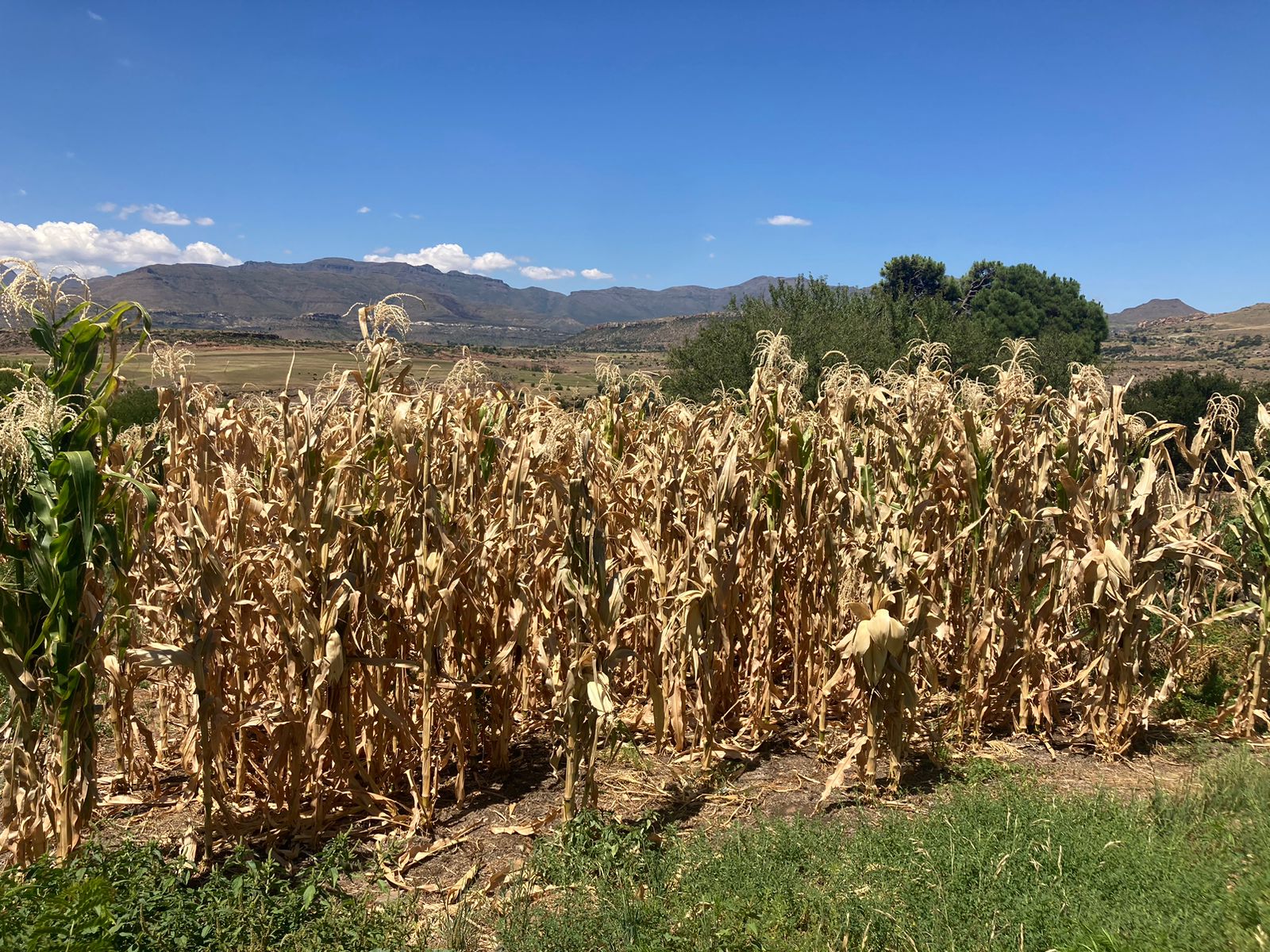
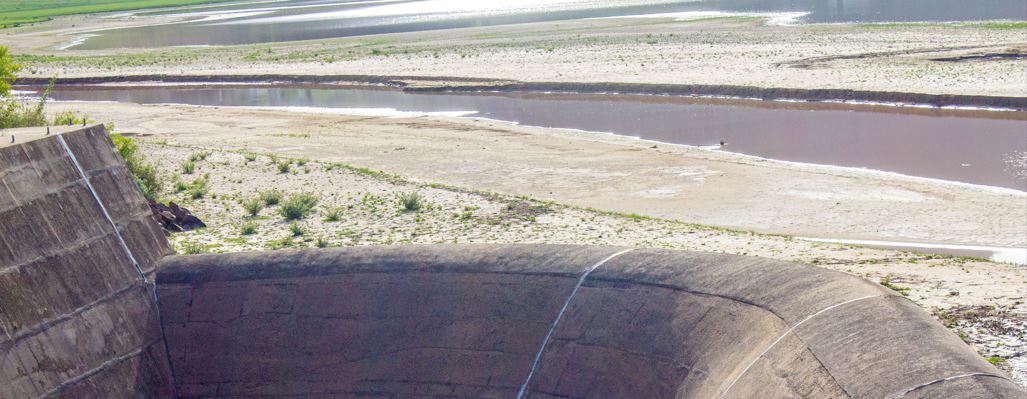
Women, young girls, and vulnerable groups in the Mafeteng district are facing severe and life-threatening risks due to harsh weather conditions, poor infrastructure, and rising levels of violent crime.
These alarming findings were brought to light in an official report tabled by the Parliamentary Women’s Caucus following a two-day field visit to the area from May 26 to May 28, 2025.
The delegation of lawmakers was led by the Chairperson of the Caucus, ‘MakatlehoMotsoasele.
The team traveled directly to the villages of Reisi and Matholeng to hold public discussions, known locally as “pitsos,” to listen to community members detail how extreme weather, bad roads, and high crime rates negatively affect their everyday safety and access to essential healthcare.
According to the Parliamentary Women’s Caucus report, the public hearing in Reisi village was attended by roughly 120 residents ranging in age from 10 to 70.
The majority of attendees were unemployed youth, highlighting the deep socio-economic vulnerability of the local population. Community members explained that the complete absence of proper roads and local health services forces women, girls, and the elderly to brave extreme weather conditions simply to access healthcare.
The report documents that pregnant women in Reisi face particularly dangerous conditions. To receive maternal healthcare services, expectant mothers must travel a distance of 8.8 kilometers. Along the way, they are forced to cross three rivers that regularly overflow and flood during the rainy season, completely blocking them from reaching health centers.
Residents shared painful stories recorded in the report illustrating the tragic impact of these barriers. In one instance, a woman went into labor while being transported to a clinic on a tractor trailer. Tragically, she lost her baby due to the rough and violent movements of the tractor traveling over a bumpy, unpaved road.
Another woman recounted losing her baby while giving birth at home because she had no way to get to a hospital. The local Area Chief warned that women and girls walk long distances in constant fear, which exposes them to severe risks of physical abuse and attacks.
Children in the village face similar life-threatening obstacles. The report highlights that because there are no middle schools in Reisi, young students must walk long distances in harsh weather every day.
To reach school, children have to navigate deep gullies, or dongas, created by heavy droughts. During rainy periods, these crossings become deadly; community members noted a recent incident where primary school pupils were swept away by a flooding river while attempting to cross.
In the neighboring village of Matholeng, a gathering of about 100 women aged between 18 and 50 voiced deep distress over escalating gender-based violence (GBV) and brutal murders that have terrorised their community.
Residents shared terrifying accounts of crime, including the recent brutal murder of an elderly woman who was decapitated (‘a khaoloaqoqotho’).
Community members also highlighted the targeted killing of a local man who was murdered simply because he was a member of the LGBTIQ+ community.
Locals expressed intense frustration over the legal system, noting that murder suspects are often only brought in for questioning or quickly released on bail, leaving dangerous perpetrators free to walk the streets.
Safety concerns extend beyond physical attacks. One mother recounted how her young son was kidnapped and held for ransom. When she reported the kidnapping to the local police, officers allegedly refused to go into the area because they were afraid of the crime-ridden neighborhood. Police only visited the scene the following day, where they found the young boy dead.
Furthermore, residents reported an incident where three primary school children were hit by a motor vehicle allegedly driven by a police officer. The local Area Chief added that widespread drug and alcohol abuse in town shacks is fueling further crime, causing young girls to become victims of human trafficking. Residents strongly criticised the police in Mafeteng for dragging their feet and leaving violent crimes unattended.
Following these field engagements, the Parliamentary Women’s Caucus report stressed that climate change policies must directly account for sexual and reproductive health rights (SRHR) and the safety of women and girls.
To address the severe challenges found in Mafeteng, the report outlines several key recommendations and actions for Parliament including building proper road infrastructure to ensure residents can reach essential services and emergency medical care safely, even during extreme weather events, building high schools nearby in Reisi so that children have a safe, local environment to learn without having to make dangerous daily journeys.
Properly equipping local healthcare facilities to rapidly respond to medical emergencies and climate-related illnesses, updating Lesotho’s draft Climate Change Bill and Nationally Determined Contributions (NDCs) to formally include sexual and reproductive health rights (SRHR) and address the specific needs of vulnerable populations and providing specialized training for law enforcement agencies to effectively handle gender-based violence cases and urging Parliament to fast-track legal reforms like the Bail Bill.
The Parliamentary Women’s Caucus has officially submitted this comprehensive report to both Houses of Parliament for adoption, urging lawmakers to act quickly to build climate resilience, improve infrastructure, and end the cycle of violence in Mafeteng.
Summary
- These alarming findings were brought to light in an official report tabled by the Parliamentary Women’s Caucus following a two-day field visit to the area from May 26 to May 28, 2025.
- The team traveled directly to the villages of Reisi and Matholeng to hold public discussions, known locally as “pitsos,” to listen to community members detail how extreme weather, bad roads, and high crime rates negatively affect their everyday safety and access to essential healthcare.
- Community members also highlighted the targeted killing of a local man who was murdered simply because he was a member of the LGBTIQ+ community.
Ntsoaki Motaung is an award-winning health journalist from Lesotho, specializing in community health stories with a focus on sexual and reproductive health and rights, as well as HIV. She has contributed to platforms like “Be in the KNOW,” highlighting issues such as the exclusion of people with disabilities from HIV prevention efforts in Lesotho.
In addition to her journalism, Ntsoaki serves as the Country Coordinator for the Regional Media Action Plan Support Network (REMAPSEN). She is also a 2023 CPHIA Journalism Fellow.