
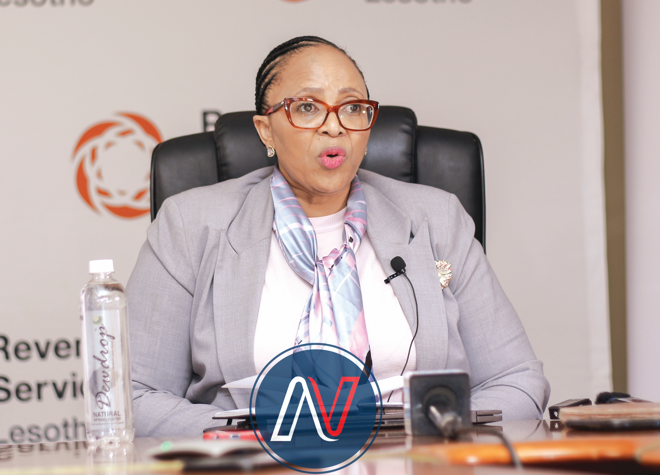
As the country turns its attention to the Minister of Finance and Development Planning, Dr Retšelisitsoe Matlanyane, expectations are mounting ahead of the national budget presentation, with many Basotho waiting to see how it will respond to pressing bread-and-butter issues.
Various sectors have intensified calls for their concerns to be reflected in the much-anticipated fiscal plan. This will be the third budget to be tabled since Prime Minister Ntsokoane Matekane’s administration took office in 2022.
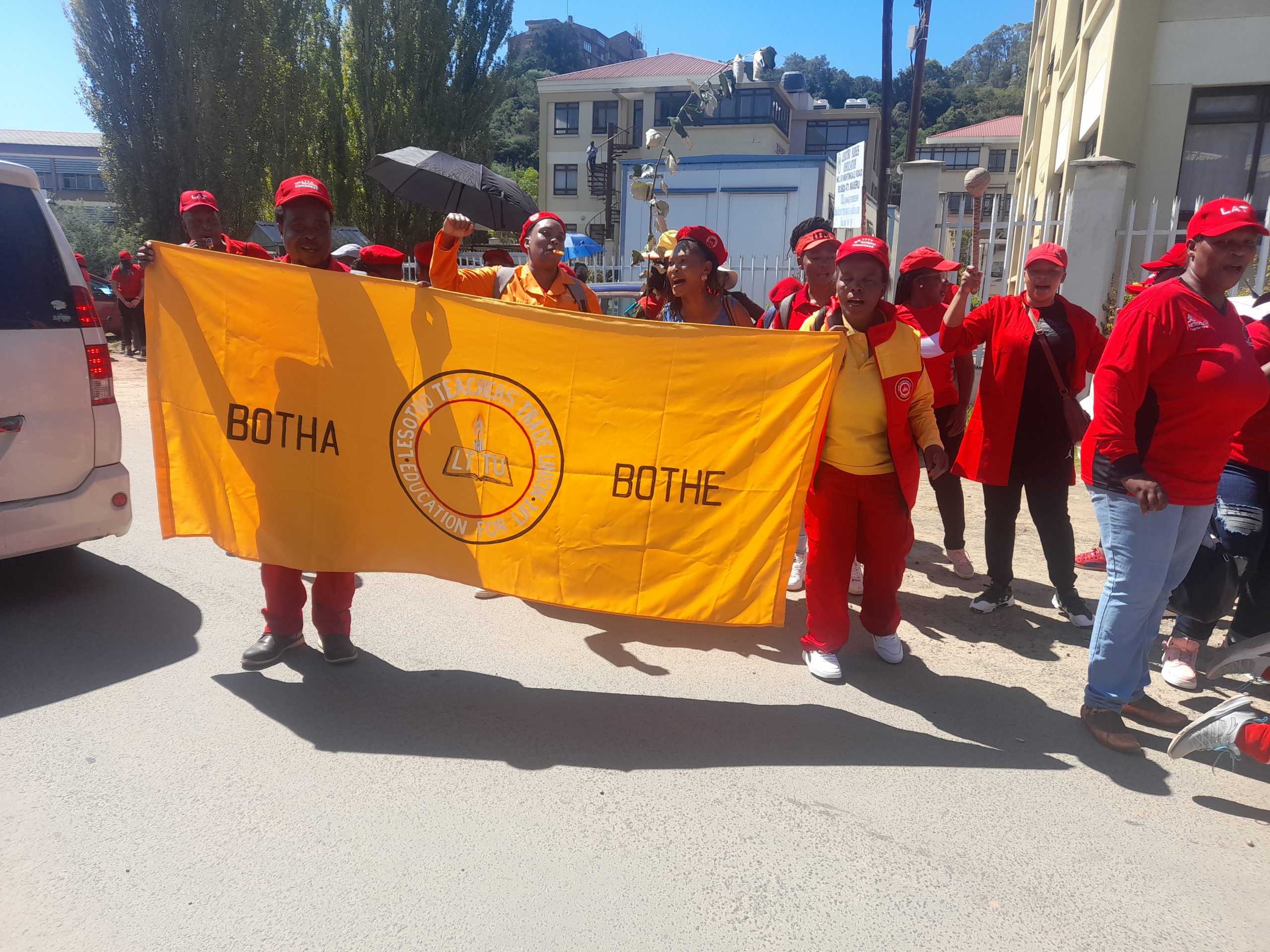
Among those making submissions is the Coalition of Lesotho Public Employees (COLEPE), which has issued a statement outlining a series of demands it wants addressed in the upcoming budget.
Public scrutiny will centre on how the minister intends to stimulate economic growth, expand infrastructure and tackle persistent youth unemployment.
The budget is being crafted against a backdrop of global geopolitical uncertainty and concerns over declining revenues from the Southern African Customs Union (SACU), a key source of government income.
According to a 2025 SACU report, member states recorded mixed economic performances in 2023. Eswatini led with 5.0 percent real GDP growth, followed by South Africa at 5.5 percent, Namibia at 4.2 percent and Botswana at 3.2 percent. Lesotho lagged behind at 1.8 percent growth.
COLEPE is pushing for the employer contribution to the Pension Fund to be increased from five percent to 10 percent. It is also calling for a review of the salary structure to allow Grade C positions to receive Grade A salaries, as well as the removal of the notch limit across all grades.
The coalition further demands an increase in the mountain allowance to M3,000 and the introduction of a 100 percent hardship salary differential for employees working in hard-to-reach areas.
It is also urging government to address dilapidated infrastructure by repairing or upgrading facilities such as classrooms, police stations, health centres and government offices, and to ensure consistent provision of essential resources to improve service delivery.
In its statement, COLEPE reminded government of a commitment signed by the Prime Minister on February 24, 2023, aimed at facilitating social dialogue and addressing poor working conditions, shortages of resources and low salaries.
At the time, government stated: “…owing to a dry Government purse, the 25 percent demand cannot be met in the 2023/2024 Fiscal Year. [However,] the Government commits to employ strategies that will revive and increase revenue in the foregoing Fiscal Year and, therefore commits to expedite the formation of Public Sector Bargaining Council: a platform necessary for bargaining in November 2023 in preparation for the 2024/2025 salary increase as demanded by COLEPE.”
It has also previously been indicated by the Ministry of Finance that government intends to reduce the wage bill from 18.5 percent of GDP to 14 percent.
Beyond organised labour, the minister is also expected to face pressure from backbenchers in both the governing coalition and the opposition, who are likely to push for interventions to address challenges affecting their constituencies.
Summary
- As the country turns its attention to the Minister of Finance and Development Planning, Dr Retšelisitsoe Matlanyane, expectations are mounting ahead of the national budget presentation, with many Basotho waiting to see how it will respond to pressing bread-and-butter issues.
- It is also calling for a review of the salary structure to allow Grade C positions to receive Grade A salaries, as well as the removal of the notch limit across all grades.
- The coalition further demands an increase in the mountain allowance to M3,000 and the introduction of a 100 percent hardship salary differential for employees working in hard-to-reach areas.
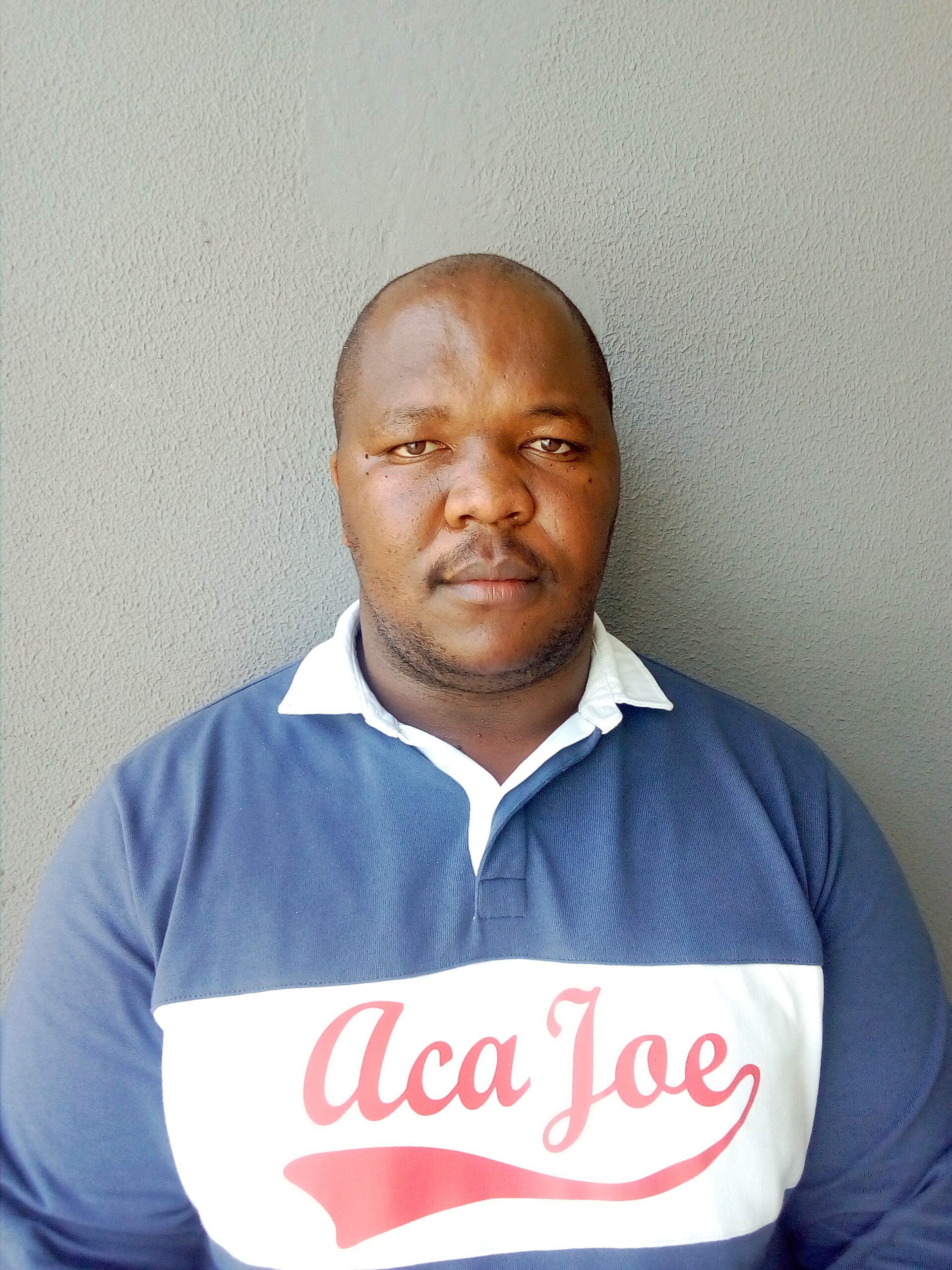
Thoboloko Ntšonyane is a dedicated journalist who has contributed to various publications. He focuses on parliament, climate change, human rights, sexual and reproductive health rights (SRHR), health, business and court reports. His work inspires change, triggers dialogue and also promote transparency in a society.