
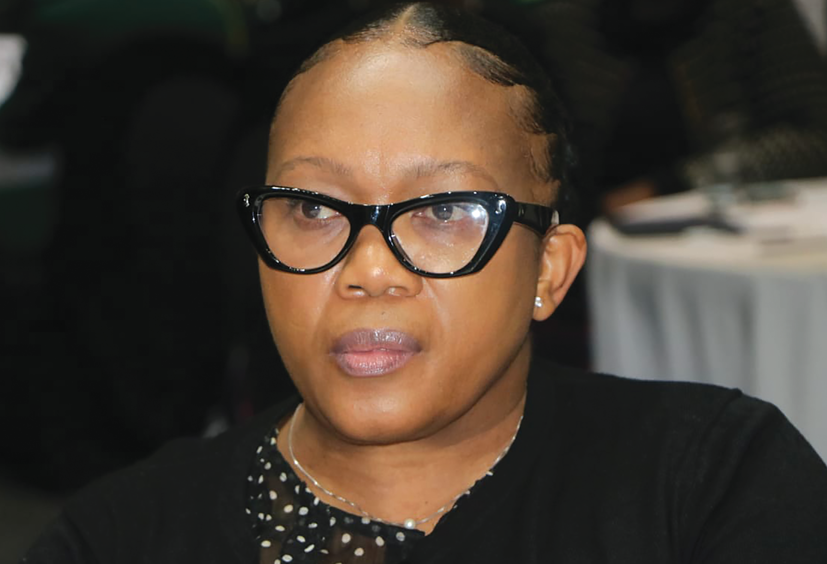

Ombudsman Advocate Tlotliso Polaki will next week begin an inspection tour of correctional and health facilities across the country, during which she will hear detainees’ complaints firsthand.
Advocate Polaki confirmed the planned inspections yesterday, saying the exercise forms part of a nationwide follow-up campaign to assess whether recommendations made after previous visits to these institutions have been implemented.
Section 10 of the Ombudsman Act No. 9 of 1996 mandates the Ombudsman to “enter and inspect police, military or prison cells, government hospitals, asylums, or any other places or centres where any person is detained or kept whether for safe custody or in terms of any law”.
As part of the campaign, the Office of the Ombudsman will establish Mobile Intake Clinics at the facilities to receive complaints directly from detainees. The initiative will also include education sessions to inform detainees about their rights and the role of the Ombudsman.
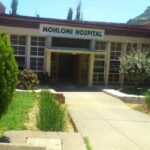
The inspections will begin in Maseru, covering the Maseru Central Male Correctional Facility, the female correctional facility, and the juvenile facility. The Ombudsman will also visit Mohlomi Mental Hospital and Lepereng centres. The programme is scheduled to run from 12 to 20 January 2026.
Responding to concerns that institutions may temporarily improve conditions ahead of the visits, Advocate Polaki said the law requires her office to notify authorities before inspections. She stressed, however, that prior notice should not be interpreted as a soft approach.
“The inspections will be thorough,” she said.
Polaki added that while she would prefer to conduct unannounced inspections, the current legal framework does not permit this. She noted that her office is drafting a regional model law that would remove the requirement to notify institutions in advance.
Asked whether the timing of the visits was linked to the alleged killing of an inmate through food poisoning in late December, Advocate Polaki said the inspections had been planned long before the alleged incident.
Ideally, she said, inspections should be conducted annually. However, she explained that her office had previously issued recommendations and allowed sufficient time for the affected institutions to implement them.
In 2023, the Ombudsman conducted inspections at the country’s only mental health facility, Mohlomi Mental Hospital, to assess conditions and operations. These visits followed earlier inspections of correctional facilities and hospitals, after which the Ombudsman released a scathing report highlighting widespread concerns.
In a report published in 2024, the Ombudsman stated that the objective of the inspections was to determine whether conditions at the institutions were fit for human habitation. The report found that living conditions at Mohlomi Mental Hospital violated patients’ rights to a conducive environment, negatively affecting rehabilitation and recovery.
“The Ministry of Health [should] further ensure that the mental health programme is integrated with other communicable disease programmes such as HIV/AIDS and tuberculosis, given that mental illness among HIV and TB patients affects treatment compliance and outcomes,” the report stated.
While the Ombudsman noted that there was no overcrowding that could increase the spread of tuberculosis, she found that the forensic unit at Mohlomi Mental Hospital was congested and required urgent intervention.
Her report on correctional facilities revealed that female detainees were often housed in police stations without proper cells, forcing them to sleep on benches day and night.
“Most stations and posts had only one cell designated for male detainees. Female detainees were kept on benches at the reception area day and night,” the report said. It added that even where female cells existed, they were frequently used as storage or exhibit rooms, a situation described as degrading and unacceptable.
Chief Public Relations Officer in the Office of the Ombudsman, Bonang Mokhele, said if the recommendations made by Advocate Polaki have not been implemented by the time of the inspections, the Ombudsman will issue a special report to Parliament to enforce compliance.
Summary
- 9 of 1996 mandates the Ombudsman to “enter and inspect police, military or prison cells, government hospitals, asylums, or any other places or centres where any person is detained or kept whether for safe custody or in terms of any law”.
- In a report published in 2024, the Ombudsman stated that the objective of the inspections was to determine whether conditions at the institutions were fit for human habitation.
- Chief Public Relations Officer in the Office of the Ombudsman, Bonang Mokhele, said if the recommendations made by Advocate Polaki have not been implemented by the time of the inspections, the Ombudsman will issue a special report to Parliament to enforce compliance.
Thoboloko Ntšonyane is a dedicated journalist who has contributed to various publications. He reports on accountability, human rights, exposes corruption and wrong doing by those in power. He reports have exposed corruption, abuse of power, fraud, misconduct and negligence. He subscribes to evidence-based reporting. He reports on governance, parliament, courts, climate change, human rights, sexual and reproductive health rights (SRHR), health, business and agriculture. He gives a voice to the marginalised while also demanding accountability. His work inspires change, triggers dialogue and also promote transparency in a society.