
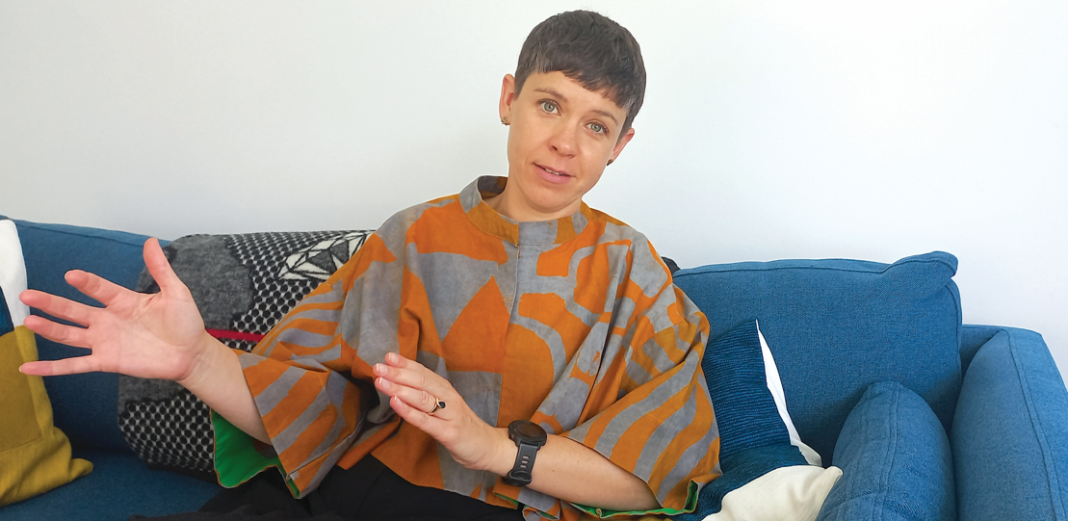
The United Kingdom (UK) has reaffirmed its commitment to deepening bilateral cooperation with Lesotho, with British High Commissioner Martine Sobey pledging continued, results-driven engagement between the two countries. Sobey assumed her post in September 2025, bringing with her extensive experience in climate diplomacy, environmental policy and international development. Prior to her appointment to Lesotho, she served at the British High Commission in Abuja, Nigeria, where she worked within the economic team and senior management, leading the Climate and Nature Team. During the UK’s presidency of COP26 in Glasgow, Sobey spearheaded key nature-focused campaigns and managed bilateral partnerships with Amazon rainforest countries, including Colombia, Brazil and Peru. She holds a Master’s degree in Environment and Politics from King’s College London and has worked with environmental research and international development organisations across Africa and Europe. Beyond her professional work, Sobey has developed a personal appreciation for Lesotho’s landscape, enjoying activities such as golf, hiking and swimming. She has notably swum twice at Mohale Dam. In her first interview since assuming office, Sobey told Newsday reporter Thoboloko Ntšonyane that her tenure will prioritise strengthening partnerships, advancing shared priorities and ensuring that diplomatic engagement continues to deliver tangible benefits for both nations, which share long-standing historical ties.
Below are excerpts from the interview.
Thoboloko Ntšonyane (TN): Who is High Commissioner Martine Sobey?
Martine Sobey (MS): I arrived in Lesotho in September, coming directly from my previous posting in Nigeria, where I worked in the economic team and served on the senior management team. My professional background is in climate change and infrastructure, and I have worked in this field for many years across the region and the continent. I am here with my husband, Will, and our cat, Ruby.
TN: How have the past four months been?
MS: They have been a whirlwind, but also a real privilege. Looking back, I am surprised by how much I have managed to do in such a short time. I am very aware that I have only begun to scratch the surface in getting to know the Mountain Kingdom and understanding the richness of Basotho culture. Moving straight from Nigeria into this role meant hitting the ground running, but I have truly enjoyed the experience. I have loved swimming at Mohale Dam, sampling local delicacies such as trout, and, of course, Maluti Lager. It has been a fantastic start, and I am looking forward to learning more about the country, seeing more of it, and introducing my family to Lesotho.
TN: It may be early days, but is there a particular highlight so far?
MS: One of the highlights so far was taking part in the Commonwealth Games Baton Relay, which was special to me for several reasons. I come from a family of sports fans, my father was a semi-professional rugby player, my mother loves football, and sport has always been a big part of my life. From a young age, we regularly attended live football and rugby matches, with season tickets at Crystal Palace and debenture seats at Twickenham. I also love major global sporting events such as the Olympics and the Commonwealth Games, which I believe showcase the best of national spirit and camaraderie, and remind us that sport is about more than competition, it is about coming together. Taking part in the Baton Relay in Lesotho was particularly meaningful because I met some of the country’s most successful sportsmen and women and saw the beautifully designed baton, created by students from Limkokwing University of Creative Technology. Dressed in a Basotho blanket, the baton is small, about 20 centimetres high, but powerfully reflects creativity, history and symbolism. My role in handing it over to Their Majesties felt both special and important. The Commonwealth Games will take place next year in Glasgow, a city with strong personal connections for me, and knowing that this baton will make its way to Scotland carrying a piece of Lesotho is very special. The relay was celebrated as part of the National Youth Games, bringing together young athletes from Lesotho and Eswatini, with performances by Sannere. The energy, excitement and sense of anticipation among the young sportsmen and women made it an unforgettable evening and a true highlight of my time here.
TN: Please tell us a bit about your work. What does the work of the British High Commissioner entail?
MS: Put simply, my role is about building bridges between the UK and Lesotho. I use the word “bridges” deliberately because our relationship has many layers. No two days are the same, which reflects both the breadth and the depth of our partnership. At its core, my work is about people. It involves strengthening cultural ties, deepening bilateral trade relations, and working together on global challenges such as climate change. Recently, for example, we hosted a commemorative event marking 50 years of the visitors’ book at the High Commission, just a small snapshot of a relationship that stretches back much further. I have also met four talented young Basotho footballers from Kick4Life who returned from a life-skills exchange programme in Wales. They came back full of ideas and energy, and I know they also shared their experiences with their counterparts in Wrexham, underscoring that this is a genuinely two-way partnership. Another highlight was taking part in the 100th centenary celebrations of the Lesotho Girl Guides alongside Her Majesty. It was a vibrant event, full of dancing, with girls and boys from the Scouts looking smart and proud in their uniforms, and clearly committed to being part of something larger than themselves. In addition, I met with the Governor of the Central Bank of Lesotho to discuss the business-enabling environment and what more can be done to make it easier to do business in the country, an issue that matters not only for British investors, but for all businesses operating here. That gives a sense of what a single week can look like. The role is varied, demanding and rich, carrying significant responsibility given the long-standing relationship between our two countries. It is about people, programmes and policies, very much a blend of all three.
TN: How does the UK prioritise which sectors are likely to receive support, and which areas are you facilitating or considering for support in Lesotho?
MS: The UK has recently launched a new approach to Africa, announced by our Minister, Baroness Chapman. This strategy is the result of more than a year of consultations with over 600 organisations across the continent and reflects a process of deep listening. It identifies seven priority areas of shared interest and marks an important shift away from relationships based on aid, towards partnerships founded on mutual respect, innovation and investment.
In Lesotho, our focus is on using British expertise and resources for maximum impact. We have prioritised three key areas: economic growth and trade, education, and health. On economic growth and trade, we are working through initiatives such as the Developing Countries Trading Scheme (DCTS) and the SADC Economic Partnership Agreement to expand bilateral trade. We are also supporting Basotho businesses to access UK markets and boost exports, while contributing to efforts to strengthen the global financing system. Recently, the UK co-hosted the African Development Fund replenishment in London with Ghana. This is a significant fund, providing billions of dollars in concessional finance to countries such as Lesotho for transformative projects in agriculture, infrastructure and health. It was the largest replenishment to date, with 23 African countries contributing, which is historic. Importantly, these investment pipelines should be country-led, reflecting a shift towards strengthening African-led institutions. Education is another long-standing area of support. We fully fund Chevening and Commonwealth scholarships and maintain partnerships with British universities such as Sheffield Hallam, Westminster and Liverpool, all of which have active memoranda of understanding with institutions including the National University of Lesotho. We are keen to expand these partnerships further. We also continue to support the long-standing Wales–Lesotho partnership through Dolen Cymru, which enables annual two-way exchanges between schools, teachers and students. These exchanges are deeply personal, highly impactful and help to build lasting educational and research capacity. The third priority area is health, particularly maternal health, HIV and AIDS, and health system strengthening. The UK is one of the largest contributors to the Global Fund and recently co-hosted its eighth replenishment with South Africa, committing £850 million. The Global Fund remains vital in supporting health systems globally and in strengthening prevention and response to diseases such as HIV and TB.
TN: Given your strong background in climate change, what specific area of UK–Lesotho cooperation do you see as most promising in supporting the country to build long-term climate resilience?
MS: I will start with what I see as the key to unlocking everything else, and that is climate finance. The UK has long been a contributor to global climate finance, and we continue to push for global climate finance goals to be met. We have also been one of the largest contributors to the Green Climate Fund. My personal view, however, is that countries like Lesotho have not been receiving the level of finance they need. Climate impacts are already being felt here: excessive rainfall and flooding are affecting harvests, and the country has also experienced recent droughts. We know that climate change is already affecting countries like Lesotho, yet finance has been reaching them too slowly and not sufficiently at the level of farmers and communities. I was therefore very pleased that, at COP30 in Brazil this year, Lesotho was announced as one of around 13 or 14 countries to receive support through the Green Climate Fund’s Readiness Programme. This is very important and a positive step forward. However, it is not just about the funding itself; the readiness fund will also help Lesotho to build the institutional capacity needed to move into the implementation of adaptation and mitigation projects. Renewable energy is another critical area. We often hear about the untapped potential of water and other natural resources in Lesotho, but it is not enough to talk about potential; we must turn it into reality. There are challenges around investment, and more work is needed to create the right investment climate. Private sector finance has been moving too slowly, and this is something I would like to focus on. His Majesty’s Just Energy Transition Fund is an important part of this, as it sends a signal to the global investment community that there is significant potential in Lesotho, alongside a well-governed framework for investing in bankable projects. A third area, closely linked to renewables, is water. Lesotho is widely recognised as the water tower of the region. Water transfers already supply South Africa and may in future extend to Botswana, providing a critical source of revenue. However, climate change is placing increasing pressure on water sources, making the protection of river catchments essential. Sustainable land management and integrated catchment management are therefore vital for long-term water security and for future generations of Basotho. Water diplomacy and water security are areas in which the UK, as an island nation, has long-standing expertise. In March last year, we hosted a ministerial roundtable on water security, and this is an area I would like to champion further in Lesotho. This year, we plan to work with UNESCO, Seinoli Legal Centre and British academic institutions on a water resilience dialogue. Climate has always been an area very close to my heart, and I am passionate about bringing my own expertise in this field to my role here in Lesotho.
TN: What is one of the enduring contributions you aspire to make during your time in Lesotho, and that you hope will remain long after your tenure?
MS: I recently visited the National Archives in the UK, located at Kew Gardens in London. They hold our public records and are open to everyone. It is a beautiful, welcoming public space, free to access, warm and comfortable, and I felt quite strongly, sitting there and looking through historic records of the British–Lesotho relationship, that this is an extraordinary public good. As a British citizen, I can spend an entire day there if I wish, and no one will ask me to leave. I believe every Mosotho should have the same opportunity to access their own history. This is something I also discussed with His Majesty when I presented my credentials, which was a very profound day for me. He spoke about the importance of preserving his family’s history, not for personal reasons, but for the future of the country. Lesotho already has some excellent institutions, such as the Thomas Mofolo Library at the National University of Lesotho, and the team there under Dr Buhle are doing impressive work. There are passionate professionals committed to preserving the country’s archives. I hope to help bring together British institutions, such as the National Archives and the British Library, which have deep expertise in archiving, to learn from and collaborate with their counterparts here. This, too, is a form of cultural exchange. We are living in a digital era, with technologies that allow us to scan and preserve documents in ways that were unimaginable in the past. When the visitors’ book was first signed in 1975, there were no emails or mobile phones; my predecessors relied on telegrams that took weeks to reach the UK, and documents moved slowly from desk to desk. Today, information can be shared instantaneously. We should take advantage of these tools to preserve historic records, whether from the missionary era or the period after independence, there is so much to record and treasure. A second area I would highlight is the creative industry. As I mentioned earlier, the Commonwealth Games baton was one of my personal highlights, and I believe Lesotho has a strong and growing creative spirit, particularly among young people. There are many talented artists here. In November, I attended a compelling talk at the Gallery by a local artist whose work is inspired by initiation ceremonies and traditional medicine. It was deeply thought-provoking. I would love to support more artists and help build bridges between British and Basotho creatives. That is something I am very passionate about, and I hope that, over time, you will see more Basotho art displayed on these walls.
Summary
- I arrived in Lesotho in September, coming directly from my previous posting in Nigeria, where I worked in the economic team and served on the senior management team.
- I also love major global sporting events such as the Olympics and the Commonwealth Games, which I believe showcase the best of national spirit and camaraderie, and remind us that sport is about more than competition, it is about coming together.
- Taking part in the Baton Relay in Lesotho was particularly meaningful because I met some of the country’s most successful sportsmen and women and saw the beautifully designed baton, created by students from Limkokwing University of Creative Technology.
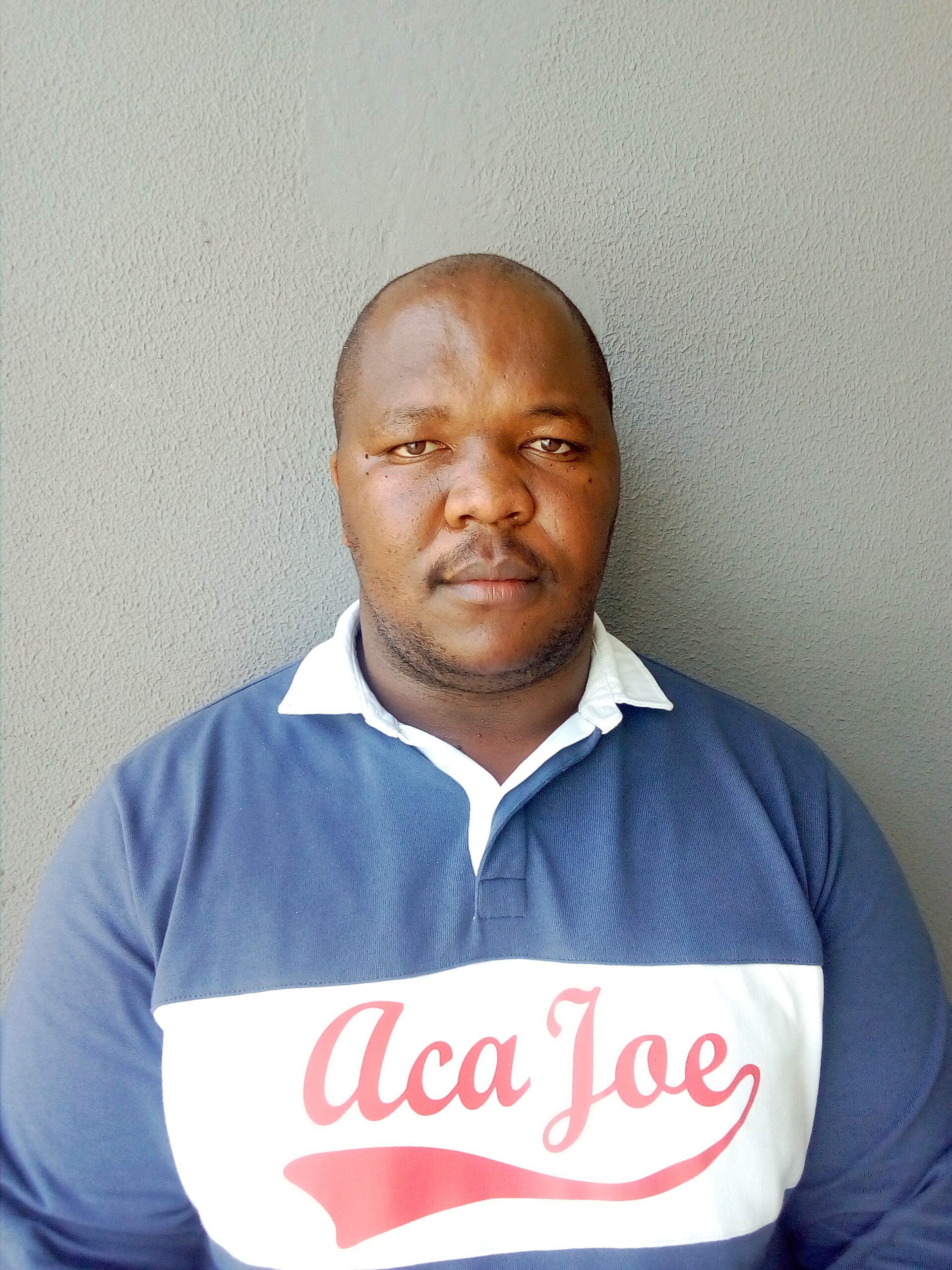
Thoboloko Ntšonyane is a dedicated journalist who has contributed to various publications. He reports on accountability, human rights, exposes corruption and wrong doing by those in power. He reports have exposed corruption, abuse of power, fraud, misconduct and negligence. He subscribes to evidence-based reporting. He reports on governance, parliament, courts, climate change, human rights, sexual and reproductive health rights (SRHR), health, business and agriculture. He gives a voice to the marginalised while also demanding accountability. His work inspires change, triggers dialogue and also promote transparency in a society.