
Government’s unfulfilled promises are beginning to constrain its room to manoeuvre, a reality that came into sharper focus on Wednesday, 18 February 2026, when the Minister of Finance and Development Planning, Dr. Retšelisitsoe Matlanyane, tabled the 2026/2027 national budget.
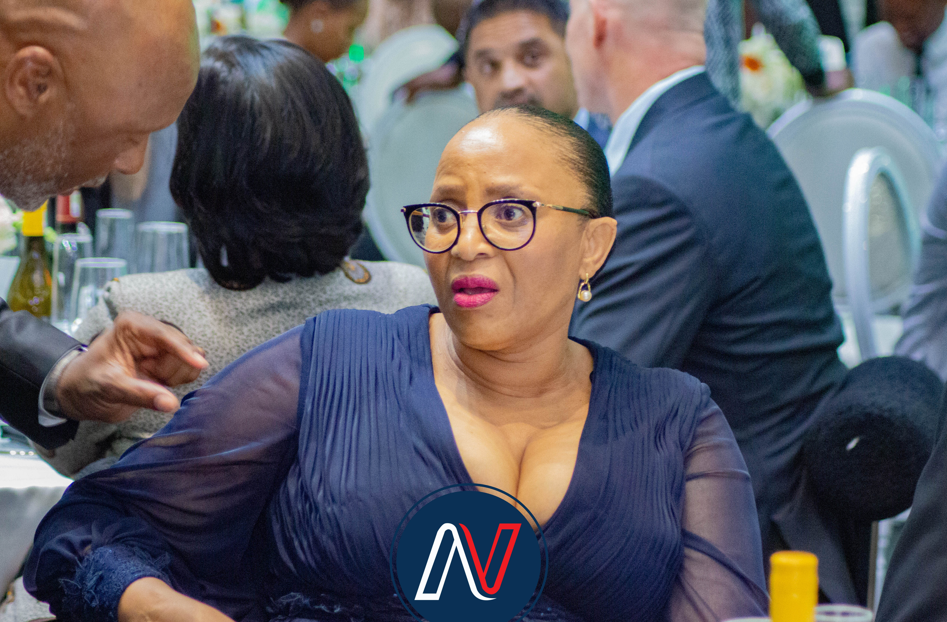
Speaking at a post-budget gala dinner hosted by Revenue Services Lesotho (RSL) and Nedbank Lesotho, National University of Lesotho economics lecturer Nthabiseng Koatsa said difficult economic conditions compel decisive action.
Koatsa identified two major “pandemics” confronting the country: high unemployment, particularly among youth, and an unsustainably high public sector wage bill. She argued that Lesotho has the human capacity to produce more, stressing that the country’s greatest asset remains its people.
As custodian of the public purse, the finance minister is constitutionally obligated to provide a clear account of what worked and what failed in previous budgets, including the 2025/2026 budget, which concludes on 31 March 2026.
However, this year’s budget was presented while Parliament had not yet received a comprehensive mid-term budget review of the previous financial year. In addition, supplementary budgets for 2024/2025 and 2025/2026 were only submitted on February 13, 2026, leaving parliament with limited time for scrutiny.
The government has previously acknowledged spending more than M3.4 billion without proper authorisation and sought retrospective parliamentary approval. Sections 112 and 114 of the Constitution require that all public expenditure from the Consolidated Fund be approved by parliament.
Delivered under the theme “Accelerating Economic Transformation; Building Resilience,” the budget drew mixed reactions. While some welcomed the M1.8 billion allocated for economic growth and job creation, aimed at stimulating private sector activity, improving productivity and expanding employment opportunities, others expressed scepticism.
This was Dr. Matlanyane’s fourth budget speech since Prime Minister Ntsokoane Matekane assumed office following the October 7, 2022, National Assembly elections.
Several projects announced in the 2025/2026 budget were not referenced in the current speech. These include the construction of the Lesotho National Broadcasting Services (LNBS) complex, refurbishment of Setsoto Stadium and the establishment of a national standards body.
There was also no update on plans to upgrade Setsoto Stadium to accommodate 22,000 spectators.
Similarly, no detailed progress report was provided on the Inclusive Growth Fund (IGF), which was allocated M400 million and launched on November 28, 2025, to support youth and women-led small and medium enterprises (SMMEs). Although the minister briefly mentioned the fund, she did not disclose the number of beneficiaries or outline performance targets.
During her presentation before both houses of parliament, Dr. Matlanyane stressed the need for greater discipline among civil servants in managing public resources.
“In recent years, our efforts have been directed towards restoring macro-fiscal stability, strengthening governance, and laying the foundations for inclusive, broad-based, and sustainable job-creating growth. These efforts have been deliberate and necessary,” she said.
She added that stabilisation alone would not deliver prosperity. “Foundations alone do not create opportunity. A nation does not transform by simply preserving what exists; it transforms by building what does not yet exist.”
In terms of allocations, the education sector received M3.5 billion, followed by health at M3.1 billion. The water sector was allocated M2.4 billion, while energy will receive M1.7 billion. The agriculture budget was reduced to M1.1 billion, down from M1.3 billion in the previous financial year.
Although the minister acknowledged that youth unemployment remains “unacceptably high,” she outlined several interventions.
The government plans to increase placements in the National Volunteer Corps (NVC) by 2,500 for a 12-month period. It also intends to revive the Youth Apprenticeship and Public Works Programme, requiring that at least 40 percent of the workforce on government-funded projects, including LHWP-II secondary roads, be local youth.
However, Dr. Matlanyane did not provide an update on the previously announced target of creating 62,000 jobs, nor did she explain the challenges encountered in pursuing that goal. Earlier this month, Prime Minister Matekane told tertiary students that job creation remains a significant challenge and that government cannot employ everyone.
While M124 million has been allocated for youth empowerment and development initiatives, no details were provided on beneficiary selection criteria or measurable targets.
On economic performance, the minister reported that the economy grew by 4.2 percent in 2024/2025, largely driven by construction activity under the Lesotho Highlands Water Project Phase II, which rose by 6.3 percent. The textile industry grew by 3.2 percent, recovering from a contraction of -11.1 percent the previous year, as firms fulfilled orders despite uncertainty surrounding the African Growth and Opportunity Act (AGOA).
However, growth slowed to 1.4 percent in 2025/2026 due to external pressures, including higher export tariffs and declining global diamond prices.
The slowdown affected both the textile and mining sectors, resulting in reduced orders, layoffs and operational adjustments. Despite these challenges, inflation declined to 4.3 percent in 2025 and is projected to stabilise between 4.5 and 4.7 percent in the medium term, supported by lower food and fuel prices.
Nonetheless, risks remain, particularly from exchange rate volatility and disruptions in global trade.
Looking ahead, economic growth is projected at 1.5 percent in 2027/2028 and 1.6 percent in 2028/2029, signalling a modest and gradual recovery trajectory.
Are fresh solutions in sight?
While the minister emphasised the importance of “preventative” parliamentary oversight and stronger engagement between parliament and the executive, Public Accounts Committee (PAC) Chairperson ’Machabane Lemphane-Letsie challenged that assertion.
She argued that there is little evidence of improved accountability, pointing to ongoing legal disputes involving government and public servants.
Describing the budget as ambitious but lacking commitment, Lemphane-Letsie questioned whether the stated goals would translate into action.
“From the statement, I do not see clear indications that what the minister says will hold true. The minister repeatedly mentioned the need for discipline in spending,” she said. “But what exactly is discipline, and how will the minister ensure that public funds are used responsibly?”
Concerns over fiscal discipline
Although the government has outlined plans to stimulate economic growth and improve livelihoods, critics argue that implementation remains the weak link. Many previously announced initiatives have either stalled or failed to materialise.
For the 2026/2027 financial year, total expenditure is projected at M30.97 billion, representing 67.3 percent of GDP. Recurrent expenditure accounts for M21.94 billion (47.4 percent of GDP), while capital expenditure stands at M9.03 billion (19.7 percent of GDP), signalling a continued emphasis on infrastructure development.
In the medium term, revenue is expected to stabilise at 67.8 percent of GDP in 2027/2028 and 69 percent in 2028/2029. Expenditure is projected to decline to 67.7 percent and 62 percent of GDP respectively, resulting in anticipated fiscal surpluses of 2.9 percent and 7 percent of GDP.
Opposition leader Mathibeli Mokhothu criticised the government for what he described as weak fiscal discipline. He argued that a credible budget must be evidence-based and responsive to the challenges faced by ordinary Basotho.
However, he welcomed the allocation of M6.5 billion for infrastructure projects, noting that electricity, water connections and road construction are essential for improving community livelihoods.
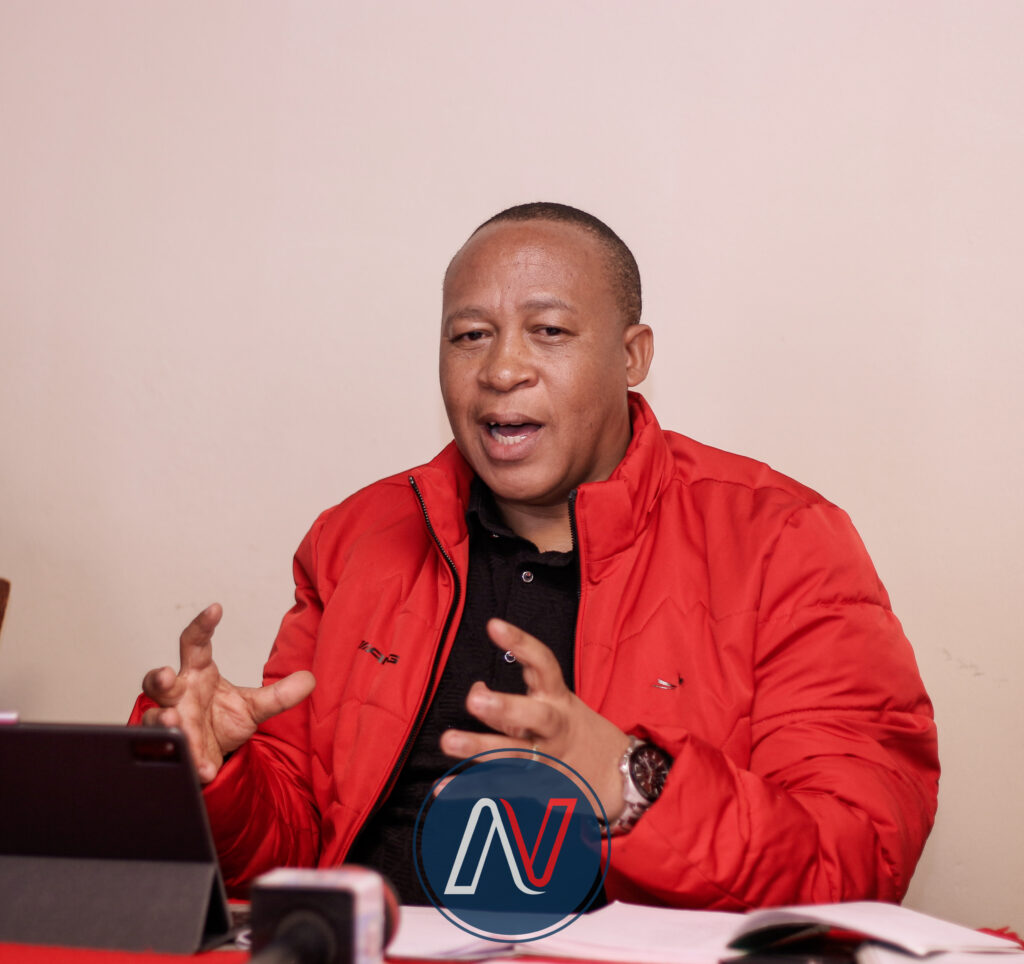
Mokhothu further contended that parliament has not adequately scrutinised previous budgets, raising concerns about accountability.
Basotho Action Party (BAP) leader and proportional representation member Prof. Nqosa Mahao labelled the document a “campaign budget,” citing the increase in capital allocations across constituencies.
He also criticised the reduction in the agriculture budget, arguing that previous increases had not translated into improved production levels, as reflected in Bureau of Statistics data. According to Mahao, the budget does not sufficiently address poverty.
“If you do not assign a number to the allocation, it becomes difficult to measure impact. If you cannot count it, you cannot manage it,” he said.
Government’s position
Defending the budget, Dr. Matlanyane said the country is entering a new phase of economic transformation requiring clarity, determination and structural reform.
“We are entering a new phase in our journey to transform our economy, one that requires clarity, determination and acceleration through structural reforms and productive expansion,” she said, adding that the process must prioritise the needs and ambitions of the Basotho people.
She described the budget as more than an annual financial plan.
“The time has come for us to move decisively from recovery to progress, from dependence to diversification, and from constraints to opportunities. This budget is a strategic tool to reshape our economy, unlock the productive capacity of our people, empower enterprises and position Lesotho competitively in regional and global markets.”
It’s time to break the status quo
The minister stressed that improving Lesotho’s economic prospects will require collective effort and a departure from “business as usual.”
However, questions about accountability surfaced during a post-budget gala dinner hosted to dissect and interrogate the fiscal proposals.
Budget Controller Maleshoane Lekomola Danzinger was unable to provide a direct response when Revenue Services Lesotho (RSL) Commissioner for Operations Support, Mpono Mosase, asked what consequences civil servants would face if they failed to demonstrate financial prudence.
In response, Danzinger said she expects all officials entrusted with managing public finances to execute their responsibilities as required.
During her address, Dr. Matlanyane acknowledged weaknesses within the public service, revealing that some civil servants receive salaries despite not reporting for duty.
Revenue and expenditure outlook
For the 2025/2026 fiscal year, total revenue is estimated at M27.1 billion, representing 60.2 percent of GDP. Tax revenue is projected at M10.7 billion (24 percent of GDP), comprising M5.4 billion from income taxes and M5.3 billion from taxes on goods and services.
The government will maintain a 2 percent salary increase for civil servants in the upcoming financial year, consistent with the previous year.
Value-added tax (VAT) is forecast to contribute M4.3 billion, while excise duties are projected at M1.0 billion. Grants are expected to total M1.8 billion (4 percent of GDP), and other revenue, including property income of M351.3 million, is estimated at M5.4 billion (12 percent of GDP).
Southern African Customs Union (SACU) receipts will account for 20.4 percent of GDP, remaining a critical pillar of fiscal performance.
Recurrent expenditure is projected at M19.3 billion (42.7 percent of GDP), including M2.5 billion for social benefits and M1.1 billion for interest payments. Capital expenditure is expected to reach M6.4 billion (14.2 percent of GDP).
Dr. Matlanyane indicated that the fiscal year is expected to close with a headline surplus of approximately 3.2 percent of GDP, compared to an initially approved deficit of 2.5 percent. The improvement is largely attributed to exceptionally high water royalties amounting to M4.78 billion.Top of Form
Summary
- As custodian of the public purse, the finance minister is constitutionally obligated to provide a clear account of what worked and what failed in previous budgets, including the 2025/2026 budget, which concludes on 31 March 2026.
- Similarly, no detailed progress report was provided on the Inclusive Growth Fund (IGF), which was allocated M400 million and launched on November 28, 2025, to support youth and women-led small and medium enterprises (SMMEs).
- It also intends to revive the Youth Apprenticeship and Public Works Programme, requiring that at least 40 percent of the workforce on government-funded projects, including LHWP-II secondary roads, be local youth.
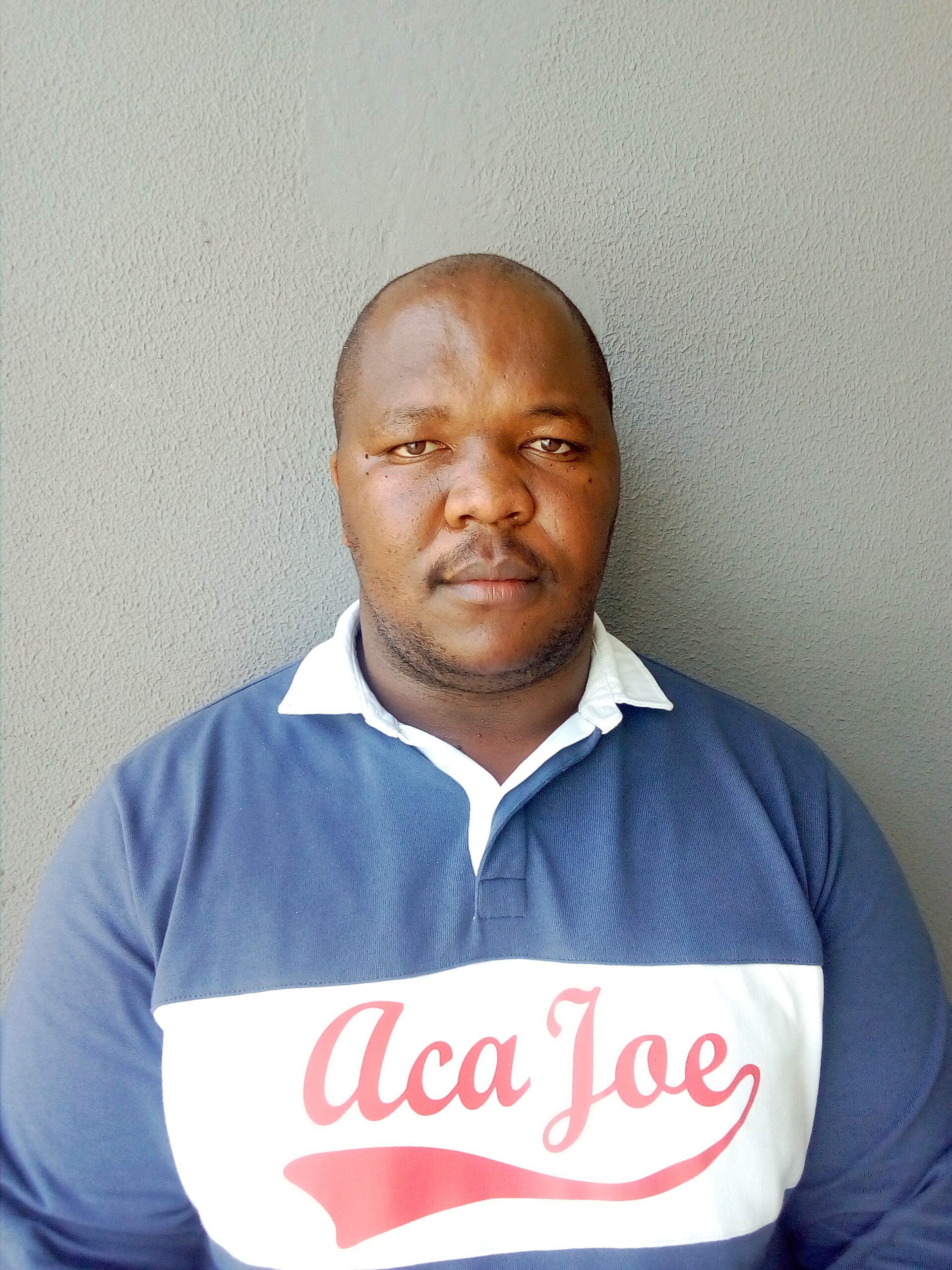
Thoboloko Ntšonyane is a dedicated journalist who has contributed to various publications. He reports on accountability, human rights, exposes corruption and wrong doing by those in power. He reports have exposed corruption, abuse of power, fraud, misconduct and negligence. He subscribes to evidence-based reporting. He reports on governance, parliament, courts, climate change, human rights, sexual and reproductive health rights (SRHR), health, business and agriculture. He gives a voice to the marginalised while also demanding accountability. His work inspires change, triggers dialogue and also promote transparency in a society.