
In a move aimed at advancing cultural diplomacy, the British High Commission in Lesotho has launched an initiative focused on capacity building, technology sharing and best practices in cultural preservation.
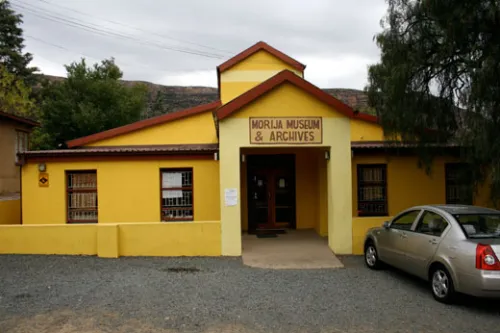
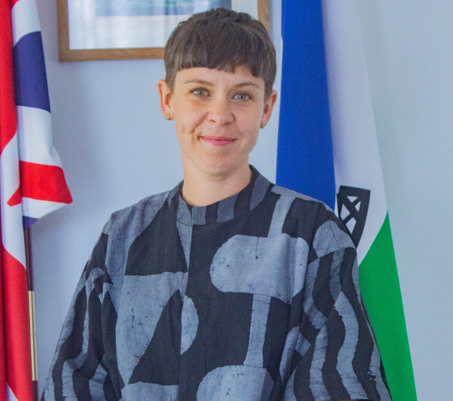
British High Commissioner to Lesotho, Martine Sunshine Sobey, said the United Kingdom (UK) is partnering with Lesotho in education, culture and knowledge preservation through a digitisation project. The partnership recently saw delegates from Morija Museum and Archives, the National University of Lesotho (NUL) and the National Library and Archives undertake a study tour to the UK, where they engaged with experts on archiving historic materials through digitisation, curation and heritage preservation.
During the visit, the delegation met institutions including the British Library, The National Archives, the University of Cambridge and the University of Liverpool. They gained insights into modern techniques for preserving cultural materials, which are expected to be adapted to Lesotho’s context.
The project, which began in December, builds on earlier collaborations between the British Library and NUL under the Endangered Archives Programme. The initiative seeks to establish national standards for digitising endangered archives, including historic records, photographs and artefacts at risk due to deterioration and lack of standardised preservation practices.
Sobey said the UK is supporting the project as part of its broader commitment to cultural diplomacy and knowledge exchange, drawing on expertise developed by institutions such as the British Library and The National Archives.
The digitisation project is being implemented in phases, with the first phase focusing on laying the groundwork for long-term preservation. By May, stakeholders aim to officially launch national digitisation standards.
One of the key objectives is to enhance knowledge and understanding of Lesotho’s cultural heritage, while improving accessibility for Basotho. Upcoming workshops will bring together archivists, researchers and students, encouraging wider community participation.
The long-term vision includes large-scale digitisation of fragile materials, with the possible inclusion of oral histories in a second phase.
Explaining the importance of the initiative, Sobey said many of Lesotho’s valuable historical materials remain at risk.
“So what do we mean by endangered archives? Lesotho has lots of valuable historic materials, records, photographs and artefacts which are at real risk of being lost. This is due to physical deterioration, limited and fragmented access, and the absence of standardised preservation practices,” she said.
She added that modern digitisation technologies provide a sustainable and cost-effective solution that ensures preservation, accessibility and educational use for future generations.
Sobey emphasised that the project will be tailored to Lesotho’s local and environmental context, taking into account factors such as storage conditions and the physical state of materials.
She also welcomed the operationalisation of the memorandum of understanding (MoU) between NUL and the University of Liverpool, noting that it demonstrates growing collaboration between the two institutions.
The first phase of the project is designed to establish a strong foundation for long-term digitisation efforts. It includes the digitisation of key archival materials and the hosting of two workshops scheduled for March and May.
By the time of the high-level launch in May, stakeholders hope to pilot the new digitisation standards using selected archival collections.
Sobey said the NUL, as the implementing partner, will determine which materials are prioritised, ensuring that decisions reflect local expertise and the needs of custodians of the archives.
The project is expected to benefit archivists, librarians, academics and students through training and improved access to digitised materials. It will also make it easier for researchers, both locally and internationally, to access Lesotho’s historical records.
Currently, many researchers face challenges in locating and accessing physical documents, often at significant cost. The digitisation initiative aims to streamline access and broaden the reach of Lesotho’s history.
Looking ahead, Sobey said a potential second phase could involve collaboration with additional institutions, including the Royal Archives, to expand the scope and impact of the project.
She stressed that the initiative is built on collaboration, capacity building and the sharing of technology and expertise, expressing optimism that the partnership between UK and Lesotho institutions will yield meaningful and lasting results.
Summary
- The partnership recently saw delegates from Morija Museum and Archives, the National University of Lesotho (NUL) and the National Library and Archives undertake a study tour to the UK, where they engaged with experts on archiving historic materials through digitisation, curation and heritage preservation.
- Sobey said the UK is supporting the project as part of its broader commitment to cultural diplomacy and knowledge exchange, drawing on expertise developed by institutions such as the British Library and The National Archives.
- She stressed that the initiative is built on collaboration, capacity building and the sharing of technology and expertise, expressing optimism that the partnership between UK and Lesotho institutions will yield meaningful and lasting results.
Thoboloko Ntšonyane is a dedicated journalist who has contributed to various publications. He reports on accountability, human rights, exposes corruption and wrong doing by those in power. He reports have exposed corruption, abuse of power, fraud, misconduct and negligence. He subscribes to evidence-based reporting. He reports on governance, parliament, courts, climate change, human rights, sexual and reproductive health rights (SRHR), health, business and agriculture. He gives a voice to the marginalised while also demanding accountability. His work inspires change, triggers dialogue and also promote transparency in a society.