The government’s revenue from dividends dropped sharply during the 2022/23 financial year, adding to mounting concerns over the performance of state-owned enterprises (SOEs) and the loss of potential income essential for public service delivery.
According to the latest audit report on Lesotho’s consolidated financial statements, the government received just M151.06 million in dividends from four out of 17 enterprises, marking a steep 42 percent decline compared to the previous year.
The government had received M259.26 million from five enterprises during the 2021/22 financial year. Dividends are profits declared by enterprises where the government has shareholding.
“The government received dividends with a total amount of M151.06 million from four enterprises, representing a 42% decrease as compared to the previous year,” said Auditor General ‘Mathabo Makenete.
The audit projects a worrying picture of declining returns from public investments, with only a handful of state-linked entities contributing to the national fiscus despite government holding stakes in a wide range of companies.
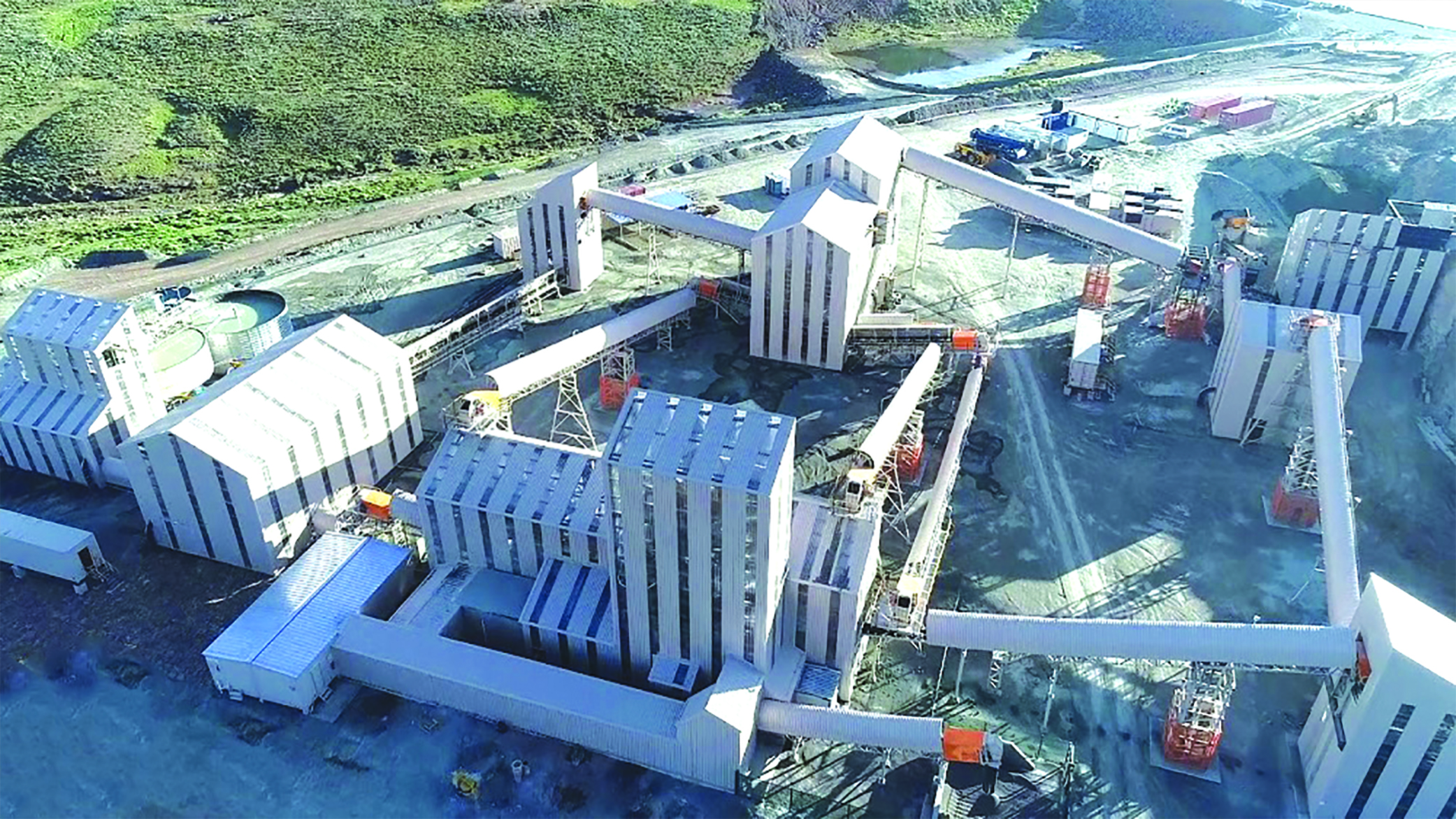
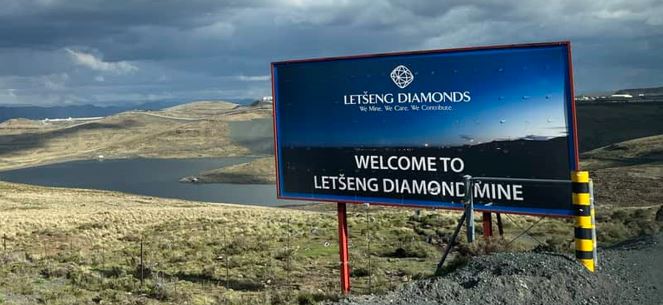
The state-linked companies that paid dividends are Letšeng diamond mine, in which the government holds a 30 percent shareholding, contributing M122.56 million; Standard Lesotho Bank (9.6%) which paid M23.16 million; AON/Minet (5%) which paid M462,000; and Maluti Mountain Breweries (4.75%) which paid M3.88 million.
The companies flagged for failing to pay dividends include Avani hotels, Kao mine, Liqhobong mine, Mothae mine, Econet Telecom Lesotho and Lesotho Flour Mills among others.
“Thirteen enterprises have not declared dividends and eleven of those enterprises have not declared for five years from 2018/2019 to 2022/2023. The non-declaration of dividends by the enterprises indicates that government money invested in these enterprises is held without returns. Table 11 shows the trend for three years,” Makenete continued.
Addressing the issue of SOE financial performances was among the priority actions identified by Prime Minister Samuel Matekane in his 2022 inauguration speech. He said within 30 days his administration would prepare a report on all companies in which government has shares, outlining which entities are paying dividends and which are not, and why.
He also pledged to develop a reporting plan for all SOEs within the same timeframe and make it public.
The audit report warned that the trend effectively means public funds invested in these entities are yielding no financial return, placing additional strain on the national budget.
“The (Finance) Minister should strengthen measures or policies to attain returns from government investments,” Makenete recommended.
Economic analysts believe that the situation reflects deeper structural inefficiencies within Lesotho’s SOEs, many of which rely heavily on government subventions while failing to generate sustainable profits.
In some cases, governance challenges, weak oversight and limited commercial orientation have further undermined their ability to deliver returns.
They further argued that urgent reforms are needed to improve the financial performance of SOEs. These may include tightening corporate governance frameworks, enforcing performance contracts for management and reviewing the viability of persistently underperforming entities.
Summary
- The government’s revenue from dividends dropped sharply during the 2022/23 financial year, adding to mounting concerns over the performance of state-owned enterprises (SOEs) and the loss of potential income essential for public service delivery.
- The audit projects a worrying picture of declining returns from public investments, with only a handful of state-linked entities contributing to the national fiscus despite government holding stakes in a wide range of companies.
- He said within 30 days his administration would prepare a report on all companies in which government has shares, outlining which entities are paying dividends and which are not, and why.

Authored by our expert team of writers and editors, with thorough research.