
… As transport operators push ahead
The Lesotho Mounted Police Service (LMPS) has warned transport operators against implementing unapproved fare increases, stressing that doing so would be unlawful.
Police spokesperson Superintendent Thabo Mohai said while police cannot act pre-emptively, they are prepared to respond to any violations of the law.
“Lesotho is governed by the rule of law, and no one is permitted to act outside it without consequences,” he said.
Mohai added that although police are aware of statements by transport operators, no criminal offence has yet been identified at this stage.
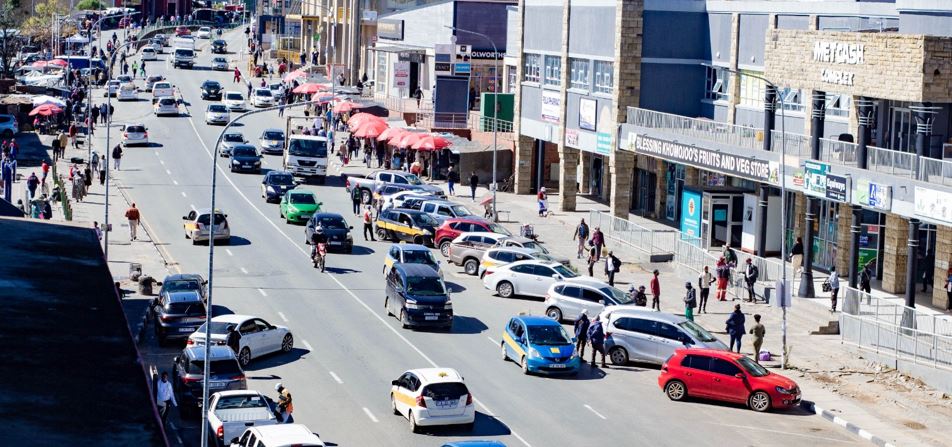
The warning comes as Maseru Regional Transport Operators (MRTO) insist they will introduce new public transport fares from May 1, 2026, with or without approval from the regulator.
MRTO Chairperson Mokete Jonas confirmed that a closed meeting was held this week between transport operators, the Road Transport Board and officials from the Ministry of Public Works and Transport.
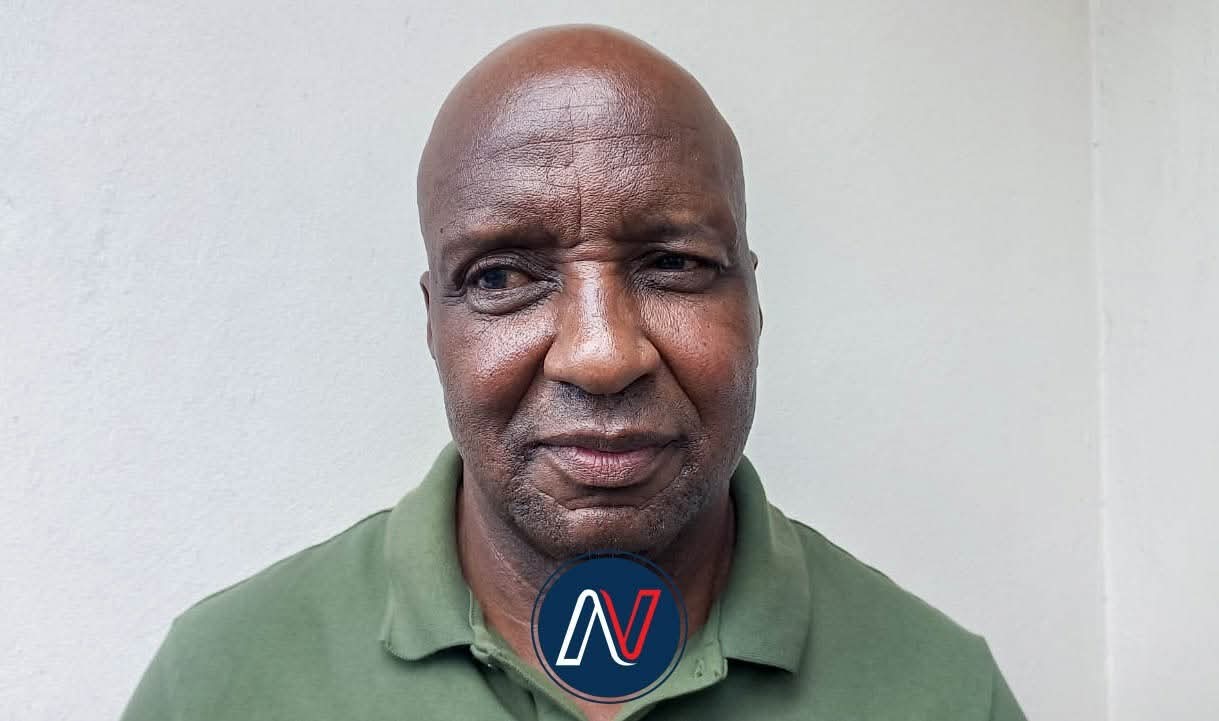
He said operators had tabled their demands, and government undertook to review them and provide feedback.
At a press conference on Monday, MRTO announced that local fares would increase from M13.00 to M23.00, while long-distance fares would rise by M9.00 for every 10 kilometres.
The association said the proposed increases are based on a consultant’s report submitted to the ministry. It cited rising fuel costs, the absence of annual fare reviews, and additional expenses such as new plate-number fees when vehicles are replaced.
MRTO Secretary-General Sehloho Sehloho said the Road Transport Board is expected to review fares annually but has failed to do so for the past three years.
He said this prompted the engagement a consultant to develop a more systematic pricing model.
Sehloho noted that operators had initially proposed a M1.00 increase, but the consultant’s findings justified higher adjustments. He also pointed to recent and anticipated fuel price increases linked to global conflicts.
However, the Ministry of Public Works and Transport says the process for approving new fares has not been completed.
Public Relations Manager Ntumeleng Ntšekhe Moloinyane said even if the proposed M23 fare is agreed upon, consultations must be conducted, the Road Transport Board must approve the fares, and the new rates must be officially published before implementation.
She added that fares were last reviewed in 2023, as government awaited the development of a new pricing framework.
MRTO claims the Road Transport Board had committed to publishing new fares by April 1, 2026, although this has not happened.
It remains unclear whether government has a contingency plan. In previous disputes, the state deployed buses to assist commuters when negotiations collapsed.
Commuters have raised concerns that the proposed increases will disproportionately affect low-income earners.
For instance, a factory worker earning between M2,724 and M3,041 per month, currently spending about M26 per day on transport, would see costs rise to M46 per day under the proposed fares.
This amounts to roughly M920 per month for a five-day work week, a steep increase many fear will be unsustainable.
Summary
- MRTO Secretary-General Sehloho Sehloho said the Road Transport Board is expected to review fares annually but has failed to do so for the past three years.
- Public Relations Manager Ntumeleng Ntšekhe Moloinyane said even if the proposed M23 fare is agreed upon, consultations must be conducted, the Road Transport Board must approve the fares, and the new rates must be officially published before implementation.
- A factory worker earning between M2,724 and M3,041 per month, currently spending about M26 per day on transport, would see costs rise to M46 per day under the proposed fares.
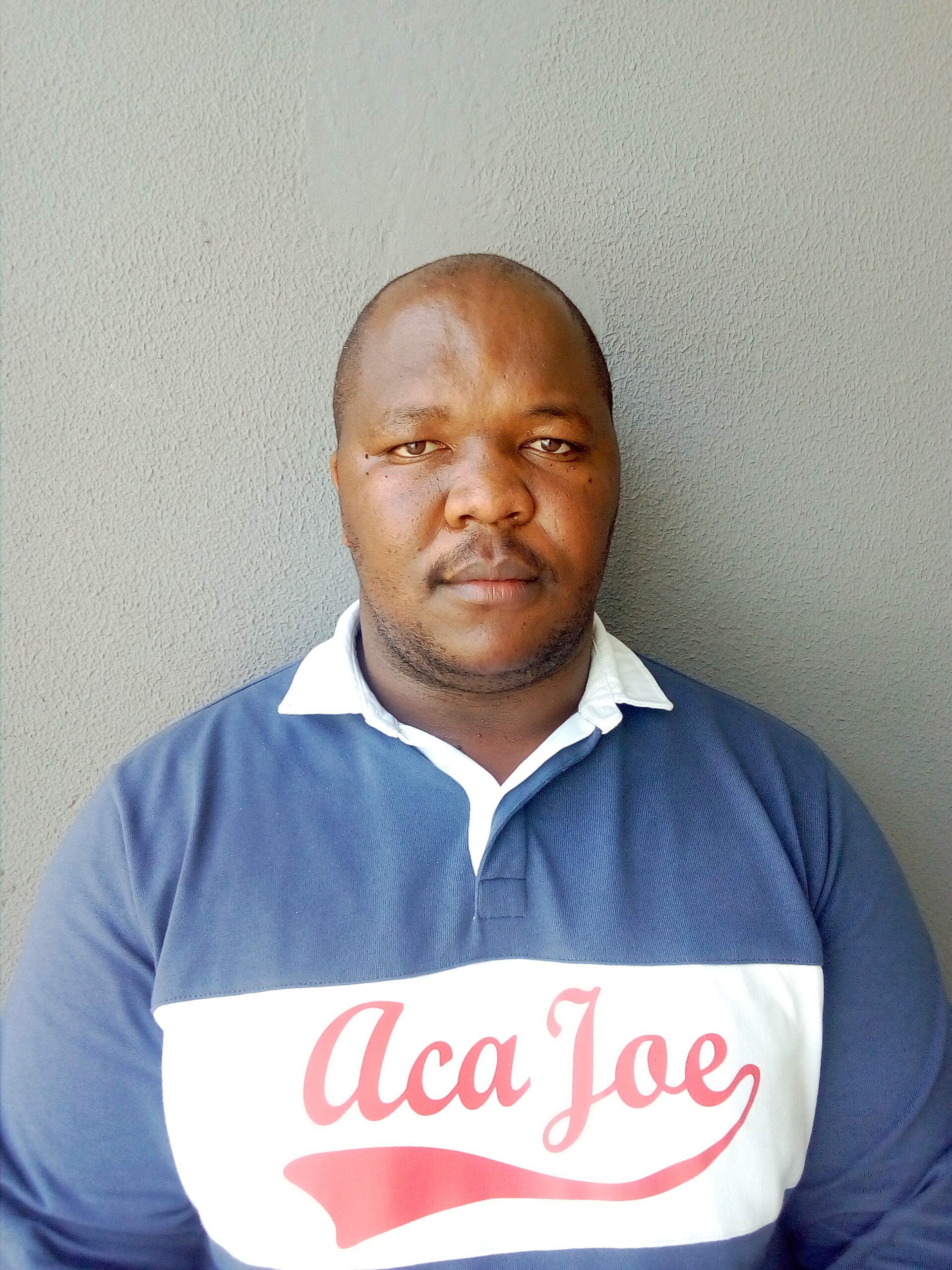
Thoboloko Ntšonyane is a dedicated journalist who has contributed to various publications. He reports on accountability, human rights, exposes corruption and wrong doing by those in power. He reports have exposed corruption, abuse of power, fraud, misconduct and negligence. He subscribes to evidence-based reporting. He reports on governance, parliament, courts, climate change, human rights, sexual and reproductive health rights (SRHR), health, business and agriculture. He gives a voice to the marginalised while also demanding accountability. His work inspires change, triggers dialogue and also promote transparency in a society.