
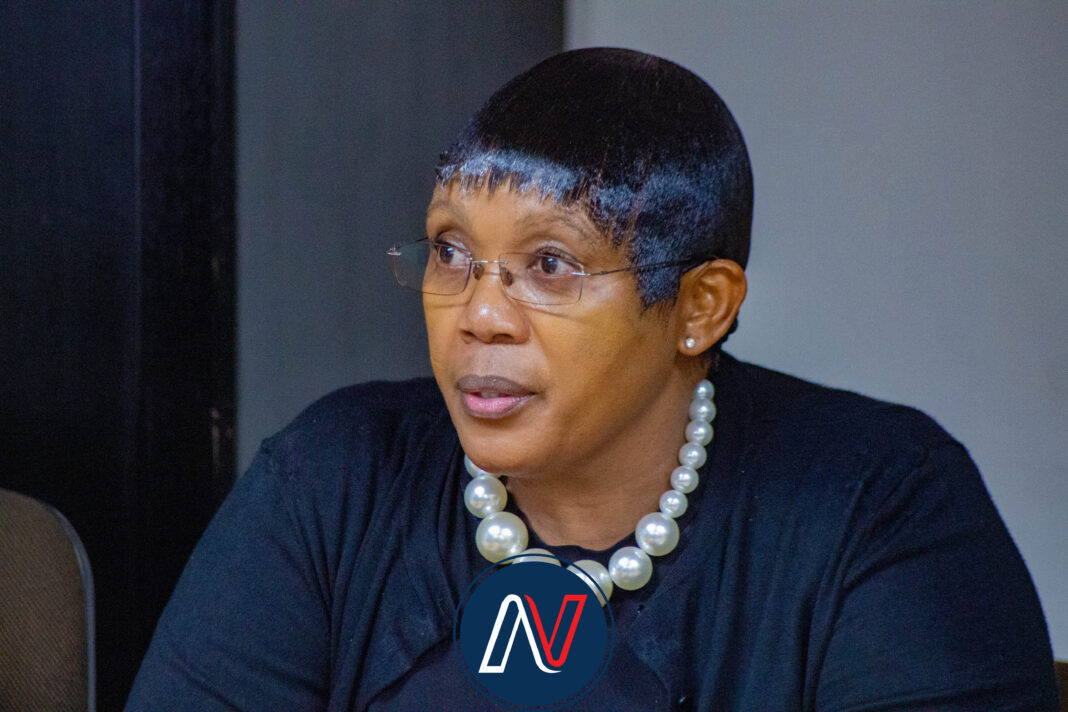
A follow-up report by Ombudsman Advocate Tlotliso Polaki has painted a grim and worsening picture of conditions inside Lesotho’s correctional facilities, warning of systemic failure and continued human rights violations.
Titled “A House Still in Ruins”, the report, released this week, finds that the vast majority of recommendations made in 2023 have been ignored, with only nine percent implemented and 91 percent left unaddressed.
This marks the third inspection conducted by the Office of the Ombudsman in the 2025/2026 financial year, under powers granted by Section 135 of the Constitution and Section 10 of the Ombudsman Act of 1996. The inspections assess conditions in detention facilities to determine whether they meet basic standards for human habitation.
Advocate Polaki said the situation has not only persisted but deteriorated.
“Three years have passed since the Office of the Ombudsman first documented the deplorable conditions in Lesotho’s correctional facilities,” she said.
“The evidence gathered between January and February 2026 reveals a truth that is as uncomfortable as it is undeniable: virtually none of the recommendations made in 2023 have been fully implemented. The situation has, in critical respects, worsened.”
The report highlights overcrowding, dilapidated infrastructure, underfunding, and what it describes as a “deeply ingrained culture of impunity” within the Lesotho Correctional Services (LCS).
Polaki further criticised the government’s failure to act on serious incidents, including the alleged torture of inmates at Maseru Central Correctional Institution (MCCI) in December 2023.
“When the State fails to heed warnings… the result is not merely systemic failure but active harm to human beings,” she said.
The Ombudsman’s findings echo those of the Commission of Inquiry, established to investigate the 2023 prison escapes and subsequent treatment of inmates.
“We cannot torture inmates; there is no such directive… We are dealing with individuals from different backgrounds, and management engages them regularly.”
Chaired by Judge Realeboha Mathaba, the commission heard testimony from 197 witnesses over 88 days and implicated more than 120 correctional officers.
It uncovered widespread misconduct, including torture and the death of an inmate, and described brutality and impunity as entrenched within the system.
The commission also criticised leadership failures, particularly under then Commissioner Mating Nkakala, and recommended criminal investigations, disciplinary action, and urgent institutional reforms.
Despite these findings, the Ombudsman notes that no officer has been held accountable to date.
The report further exposes worsening overcrowding, with the inmate population rising by 133 percent, from about 1,835 in 2023 to 2,757 by March 2025.
At MCCI, a facility designed to hold 500 inmates is now housing 971, far exceeding capacity.
Infrastructure collapse remains a major concern. Facilities in Berea, Quthing, Qacha’s Nek, Maseru Female, and the Juvenile Training Centre have been flagged for demolition due to their uninhabitable condition.
Healthcare in prisons has also reached what the report describes as a “critical threshold,” with outbreaks of pellagra, scabies and tuberculosis reported in some facilities.
The report adds that dietary standards set out in the 1959 Prison Regulations, which require balanced nutrition including meat, vegetables and milk, have never been implemented since independence. Inmates continue to survive on a limited diet of porridge and beans.
“This state of inmate health constitutes a profound challenge to the government’s obligation to uphold fundamental human rights,” the report states.
Polaki emphasised that incarceration does not strip individuals of their constitutional rights.
“The right to human dignity is not suspended at the prison gate,” she said, describing the report as a “call to action” for authorities.
“The house of Lesotho’s correctional system remains in ruins. The question is whether we have the collective will to rebuild it, or allow it to collapse entirely.”
Responding to the report, LCS spokesperson Assistant Commissioner Pheko Ntobane conceded that the findings could not be dismissed.
However, he described claims of a culture of impunity as “subjective,” depending on one’s perspective.
On officers implicated in torture by the Mathaba Commission, Ntobane said disciplinary measures had been taken but could not confirm whether criminal charges had been pursued.
“We cannot torture inmates; there is no such directive,” he said. “We are dealing with individuals from different backgrounds, and management engages them regularly.”
Summary
- This marks the third inspection conducted by the Office of the Ombudsman in the 2025/2026 financial year, under powers granted by Section 135 of the Constitution and Section 10 of the Ombudsman Act of 1996.
- Polaki further criticised the government’s failure to act on serious incidents, including the alleged torture of inmates at Maseru Central Correctional Institution (MCCI) in December 2023.
- “The right to human dignity is not suspended at the prison gate,” she said, describing the report as a “call to action” for authorities.
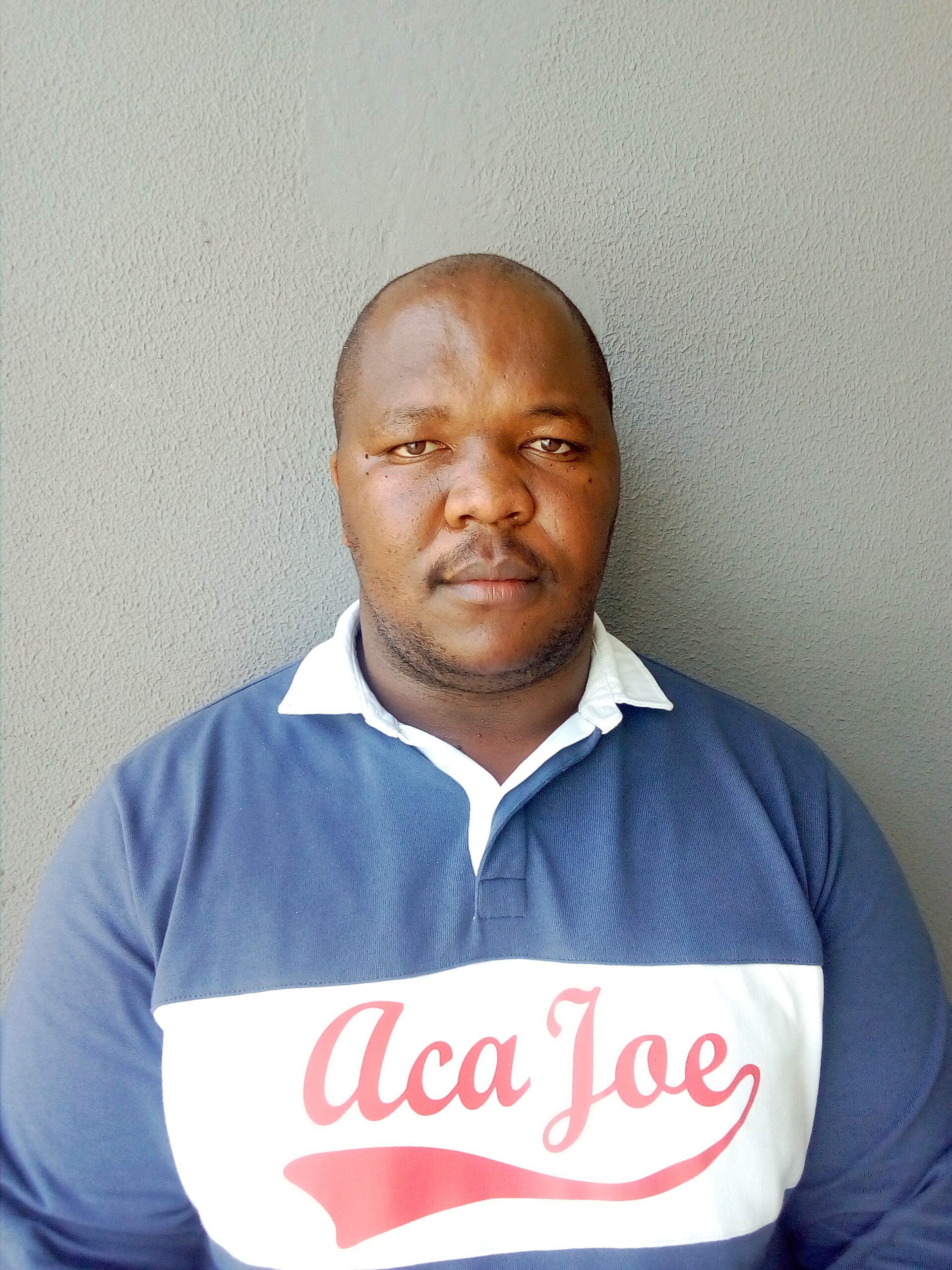
Thoboloko Ntšonyane is a dedicated journalist who has contributed to various publications. He reports on accountability, human rights, exposes corruption and wrong doing by those in power. He reports have exposed corruption, abuse of power, fraud, misconduct and negligence. He subscribes to evidence-based reporting. He reports on governance, parliament, courts, climate change, human rights, sexual and reproductive health rights (SRHR), health, business and agriculture. He gives a voice to the marginalised while also demanding accountability. His work inspires change, triggers dialogue and also promote transparency in a society.