
Theko Tlebere
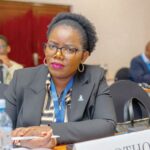
On April 29, 2026, Peking University transitioned from a historic academic institution into a vibrant diplomatic and developmental center for African students especially those from Lesotho. This transformation coincided with the Institute of South-South Cooperation and Development (ISSCAD) commemorating its tenth anniversary during the Global South Sustainable Development Forum. Among the esteemed attendees was Her Excellency Ambassador ‘Mapaballo Mile, Lesotho’s Ambassador to China, whose participation underscored Lesotho’s engagement in critical dialogues surrounding development, governance, and South-South cooperation.
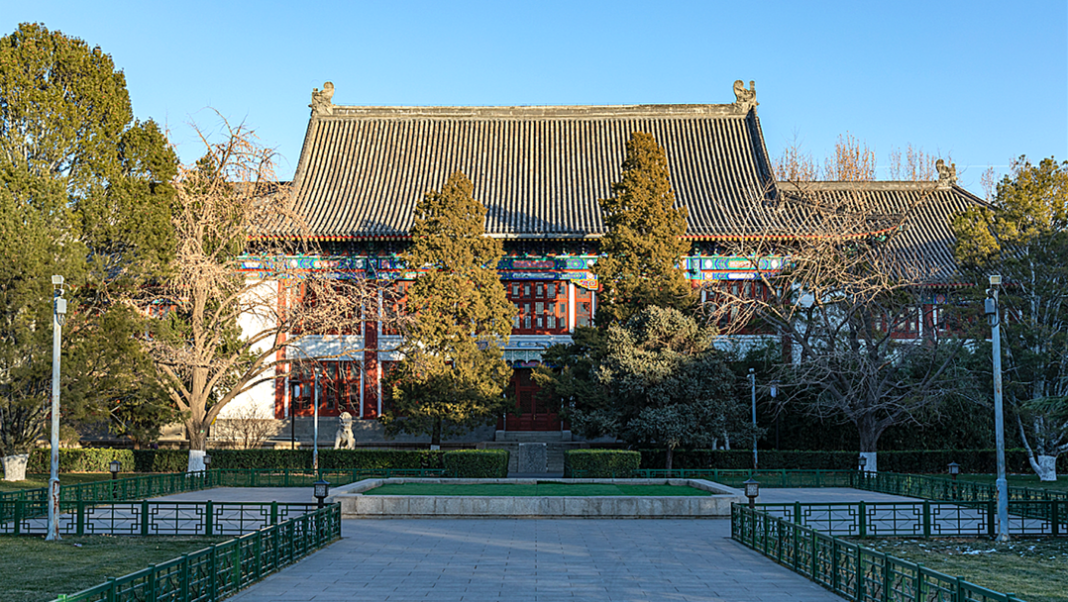
The event was hosted at Peking University(PKU), also referred to as Beida, one of China’s preeminent educational institutions. Established in 1898 as the Imperial University of Peking, PKU was China’s inaugural national comprehensive university and has played a crucial role in the nation’s intellectual, political, scientific, and social modernization. It is recognized as a leading institution within Chinese higher education, consistently ranked among the world’s top universities. As of 2026, Peking University was positioned 14th globally by QS and 13th globally by Times Higher Education, reinforcing its esteemed status both domestically and within the international academic community.
Ambassador Mile’s attendance was significant not only for representation but also for the opportunity to engage with an institution that has educated generations of scholars, policymakers, innovators, and leaders. The afternoon Think Tank Forum transitioned from celebration to substantive policy discussions. Under the theme “New Landscape of South-South Cooperation,” Ambassador Mile participated in a panel alongside scholars, diplomats, researchers, and representatives from countries such as China, Egypt, South Africa and Malawi. Her involvement was both symbolicrepresenting Lesotho at this significant ISSCAD milestone, and strategic, as the discussions centered on key issues pertinent to Lesotho’s development: human capital, governance, economic transformation, international cooperation, and the future of developing nations.
ISSCAD boasts a brief yet impactful history. President Xi Jinping announced its establishment during the High-Level Roundtable on South-South Cooperation at the United Nations’ 70th anniversary in September 2015. It was officially launched at Peking University on April 29, 2016, with support from China’s Ministry of Commerce, Ministry of Education, and Ministry of Finance. Its mission is to facilitate national development research, cultivate high-level talent from developing countries, and promote governance exchange and developmental learning among Global South nations.
For Lesotho, this mission holds particular significance. Ambassador Mile articulated the importance of the partnership, asserting that, “Our partnership in human resource development is a cornerstone of the Basotho development agenda.”Her statement emphasized that education is central to diplomacy and highlighted that China-Lesotho cooperation transcends infrastructure and traditional assistance, encompassing leadership development, policy learning, research capacity, and professional training tailored to Lesotho’s specific needs.
Ambassador Mile further noted the tangible outcomes of Lesotho’s involvement at ISSCAD, stating that “Young leaders and civil servants from Lesotho have indeed walked the halls of the Institute of South-South Cooperation and Development at Peking University.” This assertion underscores that ISSCAD is not merely an academic program; it is a platform for cultivating leadership that connects officials, researchers, and professionals from developing countries to study national development, governance, public administration, and policy transformation.
To date,seven Basotho individuals have participated in ISSCAD, pursuing either a Master of Public Administration or doctoral studies in National Development. Among them is Dr Leseko Makhetha from the National University of Lesotho, Dr Fusi Talasi who works in the security forces and Mr. Theko Tlebere, who is expected to graduate in June 2026 with his PhD in Theoretical Economics, majoring in National Development. His forthcoming graduation will enhance Lesotho’s cadre of China-trained development scholars, illustrating that Lesotho’s engagement with ISSCAD is not merely symbolic; it fosters human capital critical for policy analysis, governance reform, public administration, and national development planning.
Ambassador Mile’s remarks during sideline interviews with the media also hinted at future aspirations, as she stated: “Following today’s event, I absolutely commit to encouraging even more of our youth to apply. ISSCAD’s focus on governance and developmental best practices is exactly what Lesotho needs to transform our economy.” This commitment is vital, as Lesotho’s developmental challenges necessitate more than financial assistance; they require individuals equipped with skills in public policy, economic transformation, institutional coordination, project implementation, and the complexities of development in small states.
The tenth anniversary celebration thus embodied three significant aspects. Firstly, it marked a decade of ISSCAD as a vital institution for Global South development. Secondly, it showcased Peking University as a premier center for policy learning and leadership training. Lastly, it provided Lesotho with a platform to assert that human resource development is central to its diplomatic relations with China.In this context, Ambassador Mile’s visit to Peking University was more than mere attendance at an anniversary, it represented a strategic act of national positioning. By participating in the forum, she aligned Lesotho with a broader Global South discourse on development models, governance capacity, and the future of international cooperation. She also reminded Basotho students in China that their academic endeavors contribute to a larger national agenda.
As ISSCAD embarks on its second decade, Lesotho faces the challenge of translating educational opportunities into national capacity. Ambassador ‘Mapaballo Mile’s presence at Peking University was very significant, intertwining diplomacy, scholarship, youth development, and national transformation. At Beida, one of the world’s leading universities, Lesotho’s voice was amplified, its flag was displayed, and its development aspirations were articulated with clarity. The future is NOW!
BM
Lesotho Ambassador Visits Peking University as ISSCAD Celebrates a Decade of Leadership in South-South Development
By: Theko Tlebere
On April 29, 2026, Peking University transitioned from a historic academic institution into a vibrant diplomatic and developmental center for African students especially those from Lesotho. This transformation coincided with the Institute of South-South Cooperation and Development (ISSCAD) commemorating its tenth anniversary during theGlobal South Sustainable Development Forum. Among the esteemed attendees was Her Excellency Ambassador ‘Mapaballo Mile, Lesotho’s Ambassador to China, whose participation underscored Lesotho’s engagement in critical dialogues surrounding development, governance, and South-South cooperation.
The event was hosted at PekingUniversity(PKU), also referred to as Beida, one of China’s preeminent educational institutions. Established in 1898 as the Imperial University of Peking, PKU was China’s inaugural national comprehensive university and has played a crucial role in the nation’s intellectual, political, scientific, and social modernization. It is recognized as a leading institution within Chinese higher education, consistently ranked among the world’s top universities. As of 2026, Peking University was positioned 14th globally by QS and 13th globally by Times Higher Education, reinforcing its esteemed status both domestically and within the international academic community.
Ambassador Mile’s attendance was significant not only for representation but also for the opportunity to engage with an institution that has educated generations of scholars, policymakers, innovators, and leaders. The afternoon Think Tank Forum transitioned from celebration to substantive policy discussions. Under the theme “New Landscape of South-South Cooperation,” Ambassador Mile participated in a panel alongside scholars, diplomats, researchers, and representatives from countries such as China, Egypt, South Africa and Malawi. Her involvement was both symbolicrepresenting Lesotho at this significant ISSCAD milestone, and strategic, as the discussions centered on key issues pertinent to Lesotho’s development: human capital, governance, economic transformation, international cooperation, and the future of developing nations.
ISSCAD boasts a brief yet impactful history. President Xi Jinping announced its establishment during the High-Level Roundtable on South-South Cooperation at the United Nations’ 70th anniversary in September 2015. It was officially launched at Peking University on April 29, 2016, with support from China’s Ministry of Commerce, Ministry of Education, and Ministry of Finance. Its mission is to facilitate national development research, cultivate high-level talent from developing countries, and promote governance exchange and developmental learning among Global South nations.
For Lesotho, this mission holds particular significance. Ambassador Mile articulated the importance of the partnership, asserting that, “Our partnership in human resource development is a cornerstone of the Basotho development agenda.”Her statement emphasized that education is central to diplomacy and highlighted that China-Lesotho cooperation transcends infrastructure and traditional assistance, encompassing leadership development, policy learning, research capacity, and professional training tailored to Lesotho’s specific needs.
Ambassador Mile further noted the tangible outcomes of Lesotho’s involvement at ISSCAD, stating that “Young leaders and civil servants from Lesotho have indeed walked the halls of the Institute of South-South Cooperation and Development at Peking University.” This assertion underscores that ISSCAD is not merely an academic program; it is a platform for cultivating leadership that connects officials, researchers, and professionals from developing countries to study national development, governance, public administration, and policy transformation.
To date,seven Basotho individuals have participated in ISSCAD, pursuing either a Master of Public Administration or doctoral studies in National Development. Among them is Dr Leseko Makhetha from the National University of Lesotho, Dr Fusi Talasi who works in the security forces and Mr. Theko Tlebere, who is expected to graduate in June 2026 with his PhD in Theoretical Economics, majoring in National Development. His forthcoming graduation will enhance Lesotho’s cadre of China-trained development scholars, illustrating that Lesotho’s engagement with ISSCAD is not merely symbolic; it fosters human capital critical for policy analysis, governance reform, public administration, and national development planning.
Ambassador Mile’s remarks during sideline interviews with the media also hinted at future aspirations, as she stated: “Following today’s event, I absolutely commit to encouraging even more of our youth to apply. ISSCAD’s focus on governance and developmental best practices is exactly what Lesotho needs to transform our economy.” This commitment is vital, as Lesotho’s developmental challenges necessitate more than financial assistance; they require individuals equipped with skills in public policy, economic transformation, institutional coordination, project implementation, and the complexities of development in small states.
The tenth anniversary celebration thus embodied three significant aspects. Firstly, it marked a decade of ISSCAD as a vital institution for Global South development. Secondly, it showcased Peking University as a premier center for policy learning and leadership training. Lastly, it provided Lesotho with a platform to assert that human resource development is central to its diplomatic relations with China.In this context, Ambassador Mile’s visit to Peking University was more than mere attendance at an anniversary, it represented a strategic act of national positioning. By participating in the forum, she aligned Lesotho with a broader Global South discourse on development models, governance capacity, and the future of international cooperation. She also reminded Basotho students in China that their academic endeavors contribute to a larger national agenda.
As ISSCAD embarks on its second decade, Lesotho faces the challenge of translating educational opportunities into national capacity. Ambassador ‘Mapaballo Mile’s presence at Peking University was very significant, intertwining diplomacy, scholarship, youth development, and national transformation. At Beida, one of the world’s leading universities, Lesotho’s voice was amplified, its flag was displayed, and its development aspirations were articulated with clarity. The future is NOW!
Summary
- Established in 1898 as the Imperial University of Peking, PKU was China’s inaugural national comprehensive university and has played a crucial role in the nation’s intellectual, political, scientific, and social modernization.
- Ambassador Mile articulated the importance of the partnership, asserting that, “Our partnership in human resource development is a cornerstone of the Basotho development agenda.
- Ambassador Mile further noted the tangible outcomes of Lesotho’s involvement at ISSCAD, stating that “Young leaders and civil servants from Lesotho have indeed walked the halls of the Institute of South-South Cooperation and Development at Peking University.

Welcome to Newsday Media – Your Trusted Source for News and Insights in Lesotho!
At Newsday Media, we are passionate about delivering accurate, timely, and engaging news and multimedia content to our diverse audience. Founded with the vision of revolutionizing the media landscape in Lesotho, we have grown into a leading hybrid media company that blends traditional journalism with innovative digital platforms.
Our mission is simple: to inform, inspire, and empower our readers by providing comprehensive coverage of local and global events, current affairs, and cultural happenings. Whether you’re looking for breaking news, in-depth analysis, or captivating storytelling, Newsday Media is your go-to destination for all things news-related.
With a dedicated team of journalists, editors, and multimedia experts, we are committed to upholding the highest standards of journalistic integrity and professionalism. We pride ourselves on delivering content that not only informs but also sparks conversation, fosters understanding, and drives positive change in our society.
From our flagship newspaper to our dynamic digital platforms, we offer a wide range of multimedia content to cater to the diverse interests and preferences of our audience. Whether you prefer to stay informed through print, online articles, videos, or podcasts, Newsday Media has something for everyone.
We believe in the power of storytelling to connect people, bridge divides, and inspire action. That’s why we’re dedicated to providing a platform for voices from all walks of life, championing diversity, inclusion, and authenticity in everything we do.
Thank you for visiting Newsday Media. We invite you to explore our website, engage with our content, and join us on our journey to inform, inspire, and empower our community. Together, let’s shape the future of media in Lesotho.