

As the World Health Organisation (WHO) elevates the Bundibugyo Ebola outbreak to a Public Health Emergency of International Concern, a Lesotho public health specialist says the country’s peace and stability paradoxically increase its risk.
WHO has officially declared the ongoing Ebola outbreak in the Democratic Republic of Congo and Uganda a Public Health Emergency of International Concern (PHEIC). But while Lesotho has recorded no cases, local health experts are warning that the mountain kingdom cannot rely on its geographical distance from the epicentre for safety.
Molumaela Lepeli, a public health specialist, nurse educator and PhD candidate, told Newsday that the belief Lesotho is immune to the crisis is a dangerous illusion.
“Most European researchers have a notion that Ebola is an African disease only because it is found in parts of Central and West Africa,” Lepeli said. “This does not make Lesotho exceptional.”
In an irony that cuts against conventional assumptions, Lepeli argues that Lesotho’s status as a peaceful and stable nation in Southern Africa is precisely what increases its vulnerability.
“In an era defined by global geopolitical instability and human displacement fuelled by climate change, Lesotho has become an attractive option for refugees and migrants seeking safety,” he said.
He also pointed to the Basotho diaspora. “Global academic and employment opportunities mean that members of the Basotho diaspora are living and travelling all over the world. With international travel networks more interconnected than ever, a pathogen jumping species thousands of miles away can arrive at our borders in less than 24 hours.”
Unlike the more familiar Ebola-Zaire strain, the current outbreak is caused by the Bundibugyo virus. According to official WHO statements, there are currently no approved vaccines or specific therapeutics for this strain.
The WHO has indicated that the Bundibugyo virus causes severe haemorrhagic fever, directly impairing the body’s clotting system and causing catastrophic organ damage. The virus has an incubation period of 2 to 21 days post-exposure.
Lepeli urged the public to be aware of the key symptoms, which include unexplained internal and external bleeding or bruising, intense fatigue and general body malaise, vomiting, diarrhoea and stomach pain, as well as severe headaches and muscle pain.
According to the WHO, the virus initially jumps from infected wildlife such as bats or non-human primates to humans, subsequently spreading rapidly from person to person through direct contact with blood, bodily fluids, secretions or contaminated surfaces.
During an address at the World Health Assembly 2026, WHO Director-General Dr Tedros Adhanom Ghebreyesus confirmed that 30 cases have been recorded in the DRC’s north-eastern province of Ituri. Uganda has also informed WHO of two confirmed cases in the capital Kampala, including one death, among two individuals who travelled from the DRC.
“An American national has also been confirmed positive, and been transferred to Germany, as reported by the US. We’re working with the DRC, Uganda and the United States,” Ghebreyesus said.
The WHO has since updated its figures to include at least eight laboratory-confirmed cases, hundreds of suspected cases, and dozens of community deaths in the DRC, alongside confirmed cases spreading into Kampala.
Ghebreyesus outlined four factors raising concern about further spread and further deaths.
First, beyond the confirmed cases, there are more than 500 suspected cases and 130 suspected deaths, numbers that will change as field operations scale up including strengthening surveillance, contact tracing and laboratory testing.
Second, cases have been reported in urban areas, including Kampala and the city of Goma in the DRC. Third, deaths have been reported among health workers, indicating healthcare-associated transmission.
And fourth, there is significant population movement in the area.
Lepeli argues that primary prevention is Lesotho’s only line of defence and has laid out a series of measures he says the Ministry of Health must implement immediately.
These include continuous surveillance for suspected and probable cases at all ports of entry and borders, frequent district coordination and emergency meetings for knowledge sharing and refresher training for healthcare workers, social mobilisation meetings with community leaders in rural communes to spread awareness, and Infection Prevention and Control assessments across all healthcare facilities.
Suspected cases must be isolated immediately, and the Ministry must provide secure transportation for medical samples from rural clinics to diagnostic labs.
“We cannot afford to wait for the virus to arrive before we build the walls to contain it,” Lepeli said. “For Lesotho, preparation is not optional — it is a matter of national survival.”
Highlighting the gravity of the situation, the Africa Centres for Disease Control and Prevention (Africa CDC) has officially assumed leadership of the regional and continental response.
The Africa CDC Director General has cancelled his high-profile engagements at the World Health Assembly in Geneva to fly back to Africa and personally visit the affected zones.
The agency has immediately activated its continental Incident Management Support Team (IMST) to coordinate rapid response operations.
Furthermore, the Africa CDC is urgently convening its Emergency Consultative Group to evaluate a formal declaration of a Public Health Emergency of Continental Security (PHECS), reflecting the threat this cross-border outbreak poses to health security across the entire African continent, including southern nations like Lesotho.
As the WHO advises neighbouring nations to enhance active surveillance and prepare rapid response teams, Lepeli said Lesotho must treat this global declaration as a domestic health emergency.
“Preparation is not optional,” he said. “It is a matter of national survival.”
Summary
- As the World Health Organisation (WHO) elevates the Bundibugyo Ebola outbreak to a Public Health Emergency of International Concern, a Lesotho public health specialist says the country’s peace and stability paradoxically increase its risk.
- Lepeli urged the public to be aware of the key symptoms, which include unexplained internal and external bleeding or bruising, intense fatigue and general body malaise, vomiting, diarrhoea and stomach pain, as well as severe headaches and muscle pain.
- The WHO has since updated its figures to include at least eight laboratory-confirmed cases, hundreds of suspected cases, and dozens of community deaths in the DRC, alongside confirmed cases spreading into Kampala.
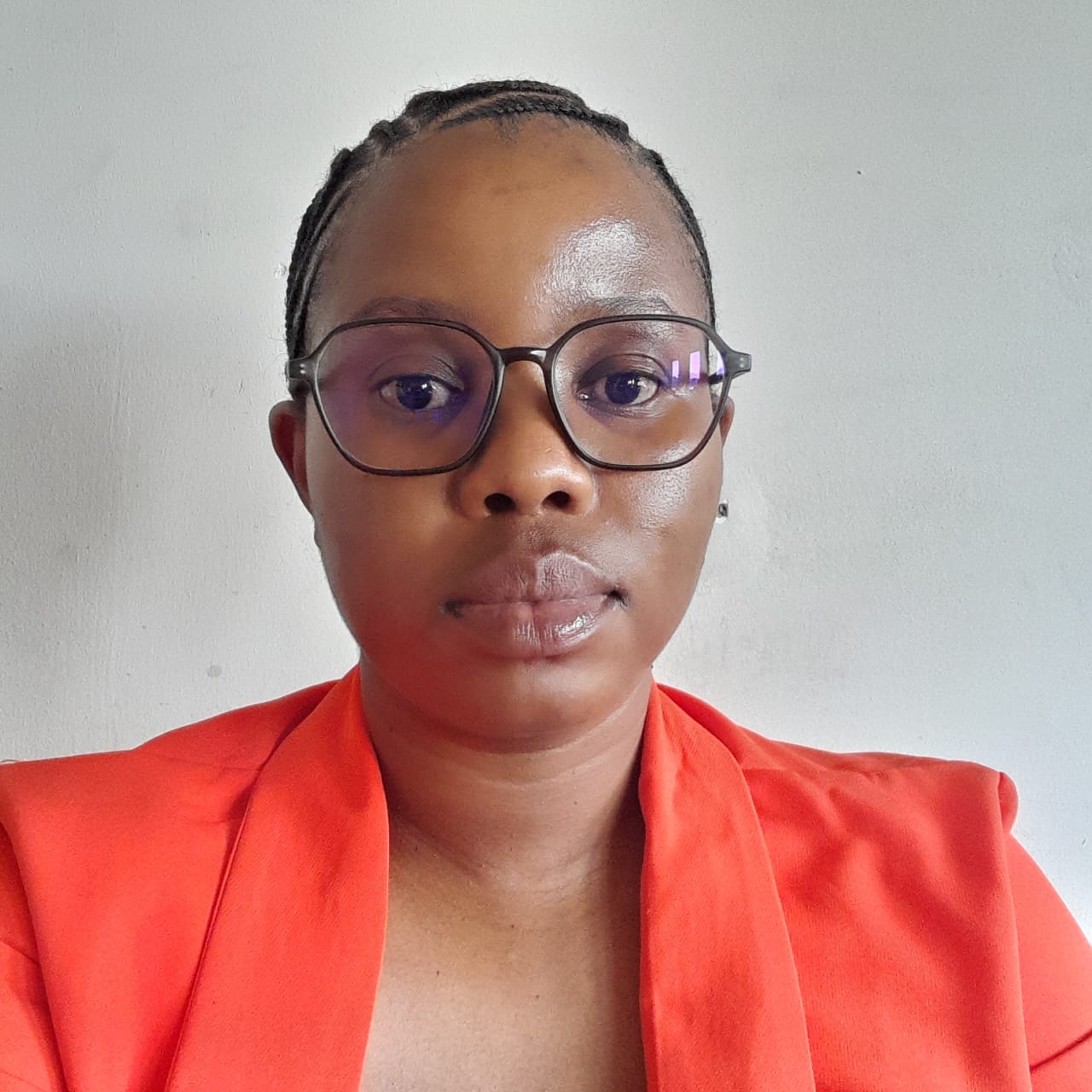
Ntsoaki Motaung is an award-winning health journalist from Lesotho, specializing in community health stories with a focus on sexual and reproductive health and rights, as well as HIV. She has contributed to platforms like “Be in the KNOW,” highlighting issues such as the exclusion of people with disabilities from HIV prevention efforts in Lesotho.
In addition to her journalism, Ntsoaki serves as the Country Coordinator for the Regional Media Action Plan Support Network (REMAPSEN). She is also a 2023 CPHIA Journalism Fellow.