
The Lesotho National Development Corporation (LNDC) is overhauling the administration of its industrial factory shells, introducing a stricter management regime that will see tenants who default on rent, underutilise factory space or misuse industrial facilities removed to make way for productive investors.
The move marks a significant shift in how the Corporation manages its industrial infrastructure, with greater emphasis being placed on ensuring publicly owned factory space directly supports manufacturing, investment and job creation rather than serving as long-term rental accommodation for non-performing tenants.
At the centre of the exercise is an estimated M50 million in outstanding rental arrears owed by tenants occupying LNDC-owned factory shells across the country. Some businesses have reportedly failed to pay rent for more than five years, while others have vacated the premises without formally notifying the Corporation.
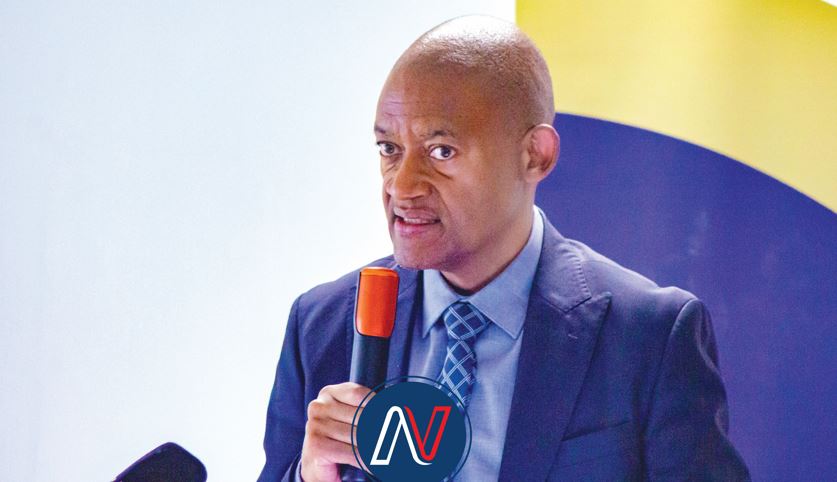
LNDC Chief Executive Officer Thabo Khasipe said the Corporation has become increasingly concerned about the management and utilisation of its industrial facilities, noting that some tenants are using the premises for activities that fall outside their intended industrial purpose.
“The misuse of the Corporation’s facilities has contributed to a number of challenges, including poor revenue collection, as some tenants have consistently failed to pay rent on time,” Khasipe said.
He disclosed that outstanding rental arrears currently stand at around M50 million, warning that the debt continues to rise.
The Corporation has therefore launched an industrial space optimisation programme aimed at reclaiming factory shells from tenants who have breached their lease agreements through persistent non-payment of rent, significant underutilisation of factory space or misuse of industrial premises.
The recovered factory shells will be reallocated to investors with viable industrial projects capable of expanding manufacturing activity and creating employment opportunities.
“The industrial space made available through this exercise will support a pipeline of 24 prospective international investors whose projects have the potential to create 7,500 jobs at full operational capacity. This represents a significant contribution toward LNDC’s annual and long-term employment targets,” he said.
According to LNDC, demand for factory shells continues to outstrip supply, with more than 24 international investors already seeking industrial space.
Khasipe said the optimisation programme represents more than a debt recovery exercise, describing it as part of a broader strategy to improve stewardship of public industrial assets while strengthening revenue collection and accelerating investment-led economic growth.
“As part of this initiative, in the short term, tenants will be required to vacate factory premises due to non-compliance with rental obligations and/or significant underutilisation of industrial facilities. The total amount owed to LNDC in the form of rental debt is M50 million,” he said.
“This decision has not been taken lightly. It follows established procedures and reflects our responsibility to ensure that public development assets are used effectively and responsibly.”
Besides removing non-compliant tenants, LNDC also intends to introduce a more efficient allocation of industrial space by matching factory size with the operational requirements of businesses.
Under the new approach, companies occupying facilities that substantially exceed their production needs may be relocated to smaller premises, allowing larger factory shells to accommodate expanding businesses and incoming investors.
Khasipe stressed that the changes should not be interpreted as an attempt to push out existing businesses, but rather as a strategy to maximise the productive use of scarce industrial infrastructure.
“Let me emphasise that this initiative is not about displacing businesses. It is about enabling growth, increasing productivity, and ensuring that industrial infrastructure generates the greatest possible benefit for Basotho.”
The industrial space optimisation programme forms part of LNDC’s Letsema Strategy 2026–2031, which was launched in April to accelerate industrialisation, diversify the economy and expand employment opportunities.
The five-year strategy aims to create 50,000 net new jobs by March 2031, develop 100 Basotho industrialists, establish five new industrial sectors and build a more competitive and diversified economy.
Khasipe said achieving those objectives requires a fundamental change in how LNDC manages its industrial assets.
“Industrial factory shells and serviced industrial estates are among the most important investment facilitation tools at LNDC’s disposal. Their purpose is not merely to provide rental accommodation, but to serve as productive assets that contribute to national development,” he said.
He noted that the Corporation has over time identified numerous cases where factory shells have remained underutilised while investor demand for industrial facilities has continued to increase.
“This situation limits our ability to facilitate investment and hinders our efforts to create jobs at the scale required by the Letsema Strategy,” Khasipe said.
He said the urgency of implementing the new approach has grown amid persistently high unemployment, particularly among young people, and an increasing number of Basotho returning from South Africa because of changing economic conditions and tighter immigration enforcement.
Despite the tougher enforcement measures, Khasipe said LNDC remains committed to supporting compliant investors through aftercare services, facilitating expansion projects, resolving operational challenges and maintaining an enabling investment environment.
He added that while new investment projects typically generate employment progressively as factories are commissioned and production expands, the Corporation is confident that reclaiming idle industrial space will significantly improve its ability to attract new investors.
“Importantly, these facilities will not remain vacant,” Khasipe said.
“Our message is therefore clear: industrial property must support industrial production, industrial investment and employment creation. Where space is available, it must be occupied by businesses that are growing, creating opportunities and contributing to Lesotho’s economic future.”
Khasipe said LNDC will continue engaging affected tenants and other stakeholders throughout the implementation of the exercise to ensure the process is conducted transparently and in accordance with the law.
“Together with our stakeholders, and guided by the Letsema Strategy, we remain committed to building a stronger, more industrialised and more prosperous Lesotho,” Khasipe said.
Summary
- The Lesotho National Development Corporation (LNDC) is overhauling the administration of its industrial factory shells, introducing a stricter management regime that will see tenants who default on rent, underutilise factory space or misuse industrial facilities removed to make way for productive investors.
- The Corporation has therefore launched an industrial space optimisation programme aimed at reclaiming factory shells from tenants who have breached their lease agreements through persistent non-payment of rent, significant underutilisation of factory space or misuse of industrial premises.
- Khasipe stressed that the changes should not be interpreted as an attempt to push out existing businesses, but rather as a strategy to maximise the productive use of scarce industrial infrastructure.

Senior journalist and communications professional with extensive experience in general news reporting, specializing in business and sports journalism. Skilled in public speaking, media relations, and strategic communication, with a proven ability to deliver accurate, engaging, and impactful stories.
A strong team player who thrives in collaborative environments and adapts effectively to diverse working conditions. Passionate about continuous learning, professional growth, and enhancing communication practices to meet evolving industry demands.