
A hard-hitting report by the National Assembly’s Portfolio Committee on the Social Cluster has exposed the severe systemic failures plaguing health facilities in Thaba-Tseka district. Following joint site visits with the United Nations Population Fund (UNFPA), Members of Parliament are demanding immediate government action to avert the total collapse of healthcare services in the mountainous district.
The findings reveal a district struggling with basic infrastructure deficits: chronic water shortages have forced clinics to shut down, while the lack of reliable transport has left pregnant women and patients in remote villages isolated and at risk.
Dry taps and closed clinics: District Administrator’s stark warning
In frank briefings to the committee, the Thaba-Tseka District Administrator warned that his district faces the most acute health challenges in the country.
The most pressing issue is the severe shortage of clean water. Many communities rely on unprotected streams, putting thousands of residents at risk of waterborne diseases.
The situation recently forced the complete closure of Ha-Mokoto Health Centre. The District Administrator noted that Thaba-Tseka remains the only district in Lesotho without a government hospital. The entire population depends on Paray Hospital, a Christian Health Association of Lesotho (CHAL) facility that is chronically overcrowded.
He also linked rampant youth unemployment to rising teenage pregnancies and child marriages, with some young women resorting to transactional relationships for survival.
Donkeys used to transport medicine, acute shortage of midwives
A presentation by the District Health Management Team (DHMT) painted a desperate picture of the transport crisis. Health workers said they are unable to conduct outreach services to remote mountain communities due to a complete lack of vehicles.
After their request for horses went unanswered, they resorted to using donkeys to carry medical supplies. Officials warned, however, that donkeys are unsafe for transporting fragile medicines and vaccines over rough terrain.
The DHMT further reported high maternal mortality rates, as health teams often cannot reach women in labour in time. This is compounded by a critical shortage of qualified midwives.
Overcrowding and funding crisis at Paray Hospital
Paray Hospital management told the committee that, as the district’s only hospital, it is overwhelmed by patient referrals from all corners of Thaba-Tseka.
The facility is also battling serious financial difficulties caused by delayed quarterly subvention releases from government. These delays have affected the timely procurement of essential drugs and the payment of staff salaries.
Management also revealed that the suspension of donations by the current US administration has created a significant funding gap, particularly in cervical cancer prevention and treatment programmes.
High adolescent pregnancies and rejection of cancer screenings
At Sehong-hong Health Centre, adolescent pregnancies account for 30 percent of all female consultations. The Acting Manager highlighted cultural barriers to healthcare: many older women are refusing cervical cancer screenings. Some believe they are no longer at risk after menopause, while others feel uncomfortable being examined by younger nurses.
Like several other facilities, Sehong-hong was recently forced to close temporarily due to insufficient water pressure from its borehole.
Committee’s urgent recommendations
Deeply concerned by the realities witnessed on the ground, the Social Cluster Committee has tabled urgent recommendations.
It recommended that the Ministry of Water must immediately task the Rural Water Supply unit with repairing broken boreholes and pipelines at all health facilities in Thaba-Tseka and that the Ministry of Health and CHAL must urgently resolve outstanding issues in their Memorandum of Understanding (MoU) to restore smooth service delivery and funding flows.
It also recommended that the Ministry of Health must deploy targeted resources to address the district’s high cervical cancer burden and that the government must prioritise youth employment programmes to tackle the economic desperation fuelling child marriages and teenage pregnancies.
The committee warned that without urgent intervention to fix roads, water supply, and health infrastructure, communities in Thaba-Tseka will continue to be denied their basic right to healthcare.
Summary
- In frank briefings to the committee, the Thaba-Tseka District Administrator warned that his district faces the most acute health challenges in the country.
- It recommended that the Ministry of Water must immediately task the Rural Water Supply unit with repairing broken boreholes and pipelines at all health facilities in Thaba-Tseka and that the Ministry of Health and CHAL must urgently resolve outstanding issues in their Memorandum of Understanding (MoU) to restore smooth service delivery and funding flows.
- It also recommended that the Ministry of Health must deploy targeted resources to address the district’s high cervical cancer burden and that the government must prioritise youth employment programmes to tackle the economic desperation fuelling child marriages and teenage pregnancies.
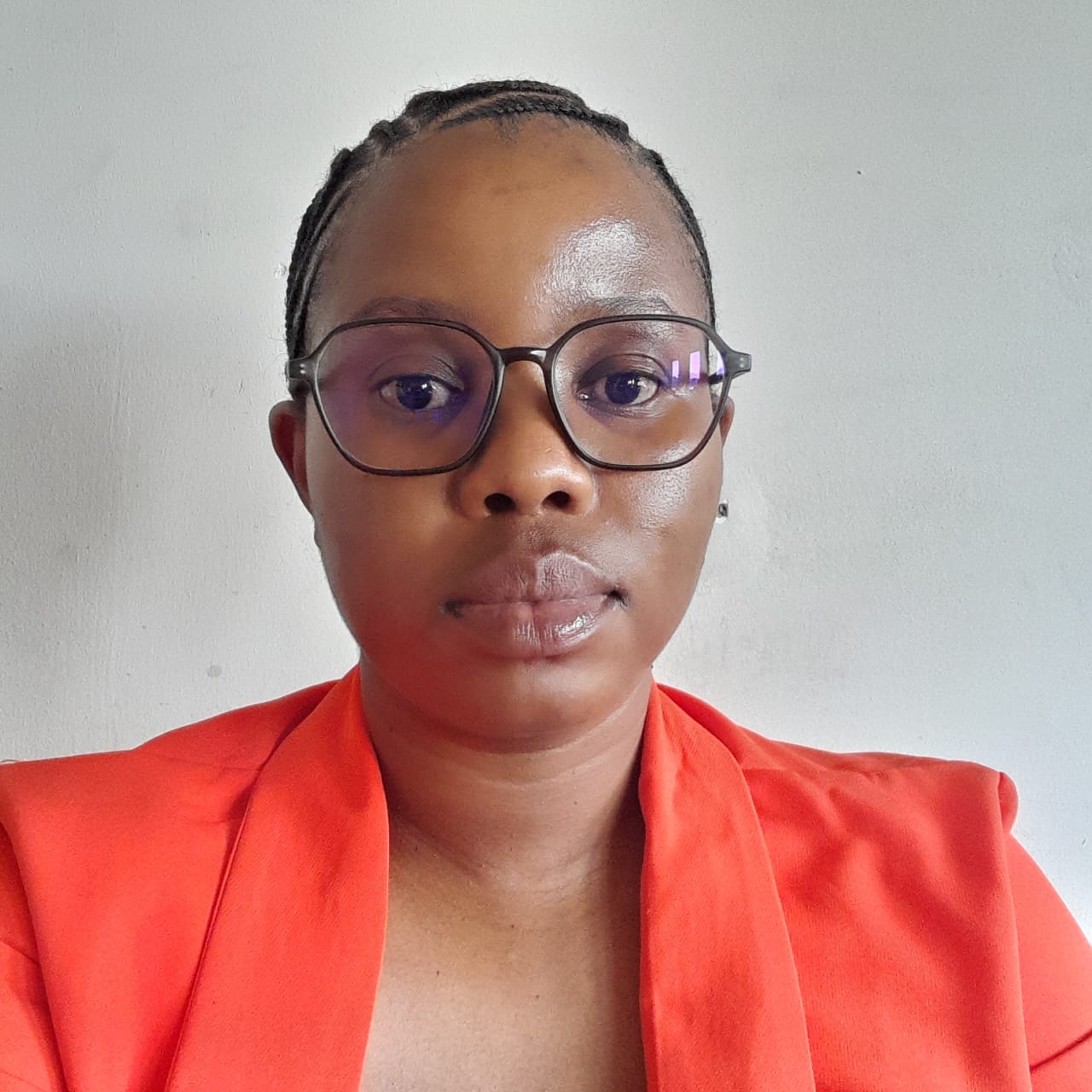
Ntsoaki Motaung is an award-winning health journalist from Lesotho, specializing in community health stories with a focus on sexual and reproductive health and rights, as well as HIV. She has contributed to platforms like “Be in the KNOW,” highlighting issues such as the exclusion of people with disabilities from HIV prevention efforts in Lesotho.
In addition to her journalism, Ntsoaki serves as the Country Coordinator for the Regional Media Action Plan Support Network (REMAPSEN). She is also a 2023 CPHIA Journalism Fellow.