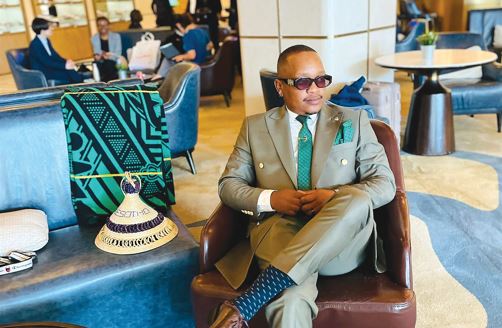
For years, social media influence in Lesotho was largely viewed as entertainment, viral jokes, lifestyle photos, event appearances, and online popularity that rarely translated into real economic opportunity.
Today, however, that perception is beginning to shift. Across TikTok, Facebook, Instagram, YouTube, and X, a growing number of Basotho creators are no longer simply chasing attention online.
They are attempting to build businesses, personal brands, and sustainable careers in what is increasingly becoming part of Africa’s emerging digital creator economy.
But while creator culture in Lesotho is visibly growing, the business infrastructure needed to sustain it remains underdeveloped. Monetisation systems are limited, brand investment is still inconsistent, and many creators continue operating in a space where visibility grows faster than income.
The result is a digital industry caught between potential and structural limitation.
Social media has become one of the country’s most influential cultural spaces, especially among young people. Creators now shape conversations around entertainment, fashion, fitness, nightlife, lifestyle, and even public discourse.
Businesses are increasingly using influencers to market products and events, while traditional media personalities are extending their relevance through digital platforms. Yet despite this growth, many creators still struggle to convert influence into stable revenue.
One of the biggest reasons is that direct monetisation from global social media platforms remains largely inaccessible or inconsistent in Lesotho. Platforms such as Facebook, TikTok, YouTube, and X offer creator monetisation systems globally, but many of these systems are either unavailable locally, regionally restricted, or difficult to access because of payment infrastructure limitations.
For creators in Lesotho, this means content can attract significant engagement without generating direct platform income.
According to DataReportal, Lesotho had approximately 619,000 social media user identities at the beginning of 2025, representing more than a quarter of the national population, while internet penetration stood at nearly 48 percent.
Facebook remains the country’s dominant platform, with estimates ranging between 619,000 and 757,000 users during 2025. Instagram, though significantly smaller, continues to grow steadily among younger audiences, particularly users aged between 18 and 34.
X (formerly Twitter) maintains a comparatively niche but influential audience concentrated around media, politics, and urban discourse. While reliable local figures for TikTok and YouTube remain limited, both platforms are increasingly shaping entertainment culture and creator visibility among young Basotho audiences.
Influencer and content creator Junior Kots (Thulo Motaung), who recently represented Lesotho at the African Social Media Influencers Summit in Ethiopia, says one of the major conversations at the summit focused on artificial intelligence and the future of digital influence in Africa.
“We were there to learn about the transformative power of AI in social media influencing,” he said.
“We were basically there to learn how AI can help amplify our brands and increase the level of our content creation. If we start seeing social media and content creation as a way of making a living intentionally, we can help improve the economy of our African countries.”
But according to Kots, Lesotho is still significantly behind in terms of infrastructure and digital innovation.
“We are very behind compared to the AI technology being used in countries such as Ethiopia in the way their innovation is and infrastructure. We are very far behind,” he said
That technological gap is directly linked to monetisation challenges facing Basotho creators. While influencer culture continues to expand, creators still rely heavily on brand collaborations, event promotions, and ambassadorial work rather than structured platform income.
“The biggest challenge is monetization. Our policymakers need to take this issue seriously and create a conducive environment for these tech companies to be able to come and invest in the creator economy.” Kots explained.
He added that even local brand partnerships remain inconsistent.
“Some brands still do not see us as a good investment. When it comes to payments, it is rarely about what you are worth but more about what they want to give you, and because we are hungry, we take whatever we are being offered.” he said.
This imbalance reflects a broader reality within Lesotho’s creator economy: brands are slowly beginning to understand influencer marketing, but the industry itself remains largely informal. Deals are often negotiated privately, pricing is inconsistent, and long-term creator partnerships are still relatively rare.
Financial Advisor and communications strategist Tokiso ‘TKay’ Nthebe argues that while Lesotho has always had creators in the form of artists, performers, and storytellers, digital platforms have amplified their visibility in new ways.
“Lesotho has always had a creator economy. What digital platforms have done is shine the light on the creative industry, amplifying the reach and awareness as more creators leverage online platforms to create opportunities.” he said.
However, Nthebe who also is a podcaster and content creator believes monetisation remains the defining issue separating online popularity from a genuine creator economy.
“For us to say it’s the creator economy, there needs to be economic opportunities for creators. Not nearly enough creators have economic opportunities from their content creation, and that is a significant problem,” he said.
According to Nthebe, one of the biggest structural barriers is market size. Monetisation systems on platforms such as YouTube, Facebook, and TikTok are driven largely by advertising demand and audience scale.
“It’s a numbers game. A market like Lesotho is unfortunately small, making it unattractive for many advertisers, thus making monetisation harder for creators as the platforms are reluctant to spend here,” he explained.
He also believes many companies still underestimate the value of influencer marketing.
“Many local brands and multinational companies still see digital and influencer marketing as inferior and are reluctant to allocate marketing budgets towards digital,” he said. “A shift needs to happen and happen quickly.”
Another major challenge is regulation. Lesotho’s creator economy currently operates with little standardisation around pricing, contracts, copyright protection, or influencer conduct.
“This is a new industry in Lesotho with no regulation, standardisation, or policies,” Nthebe said. “The industry remains unregulated, making it difficult to professionalise or protect creators.”
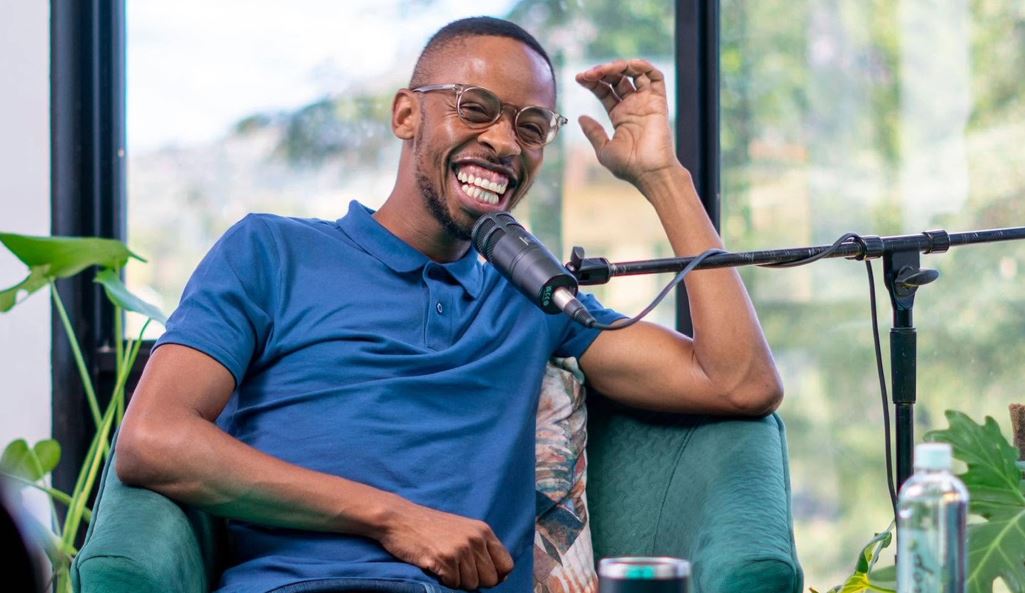
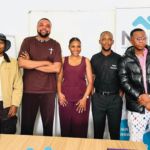
Financial advisor and content creator Tokiso ‘TKay’ Nthebe says Lesotho’s creator economy is growing, but monetisation remains the biggest challenge.
For many creators themselves, the reality behind online visibility is far less glamorous than audiences often assume.
Content creator Lerato Chaoana says content creation in Lesotho has not yet reached the point where it can realistically sustain most people financially.
“At the moment, no,” she said when asked whether content creation could become a full-time career locally. “In the future, I think it could.”
Like many creators, Chaoana currently relies on her primary employment rather than digital income. She says brand collaborations typically involve submitting rate cards and negotiating prices directly with businesses, but production costs remain one of the hidden burdens of the industry.
“Logistics, products, supporting apps and software, and sometimes even help from other creatives like photographers and editors all cost money,” she explained.

“Logistics, products, apps, photographers, editors — it all costs money
Despite these constraints, creator culture in Lesotho continues to expand rapidly. Micro-influencers, creators with smaller but highly engaged audiences, are becoming increasingly valuable to local brands because of their relatability and direct audience connection. Event organisers, nightlife promoters, and businesses are increasingly using influencers to drive attendance, visibility, and online engagement.
At the same time, many creators are beginning to look beyond Lesotho itself in search of larger audiences and better monetisation opportunities. Regional reach is becoming increasingly important, particularly in countries where creator monetisation systems are more established.
Nthebe believes this cross-border positioning could become critical for Basotho creators moving forward.
“If creators can package our culture, language, and uniqueness with subtitles, that will help unlock opportunities beyond Lesotho,” he said.
But perhaps the most important challenge facing the industry is not technological, it is mindset.
According to Kots, many creators still fail to see themselves as businesses.
“The biggest opportunity Basotho creators are missing is that they do not understand social media business,” he said. “Most of them still see it as a platform for vibes and fun. That is why it is constantly controversial. They do not see themselves as brands and people of influence.”
He believes the future of the creator economy in Lesotho depends on professionalisation and formal business structures.
“We need to understand what a brand is and what it means to be a content creator and ambassador,” he said. “We need to get to a point where creators are registered and formalised as businesses so that we can also employ other people because this is an economy.”
That may ultimately define the next phase of Lesotho’s digital creator culture. The influence is already there. The audiences are growing. Brands are slowly paying attention. But the systems needed to transform online influence into a sustainable industry are still being built.
Summary
- Influencer and content creator Junior Kots (Thulo Motaung), who recently represented Lesotho at the African Social Media Influencers Summit in Ethiopia, says one of the major conversations at the summit focused on artificial intelligence and the future of digital influence in Africa.
- “We are very behind compared to the AI technology being used in countries such as Ethiopia in the way their innovation is and infrastructure.
- Our policymakers need to take this issue seriously and create a conducive environment for these tech companies to be able to come and invest in the creator economy.

A Professional Communications practitioner with a wealth of expertise in marketing, public speaking, communication and media relations. I believe in learning everyday and improving one’s personal and professional capabilities.
* A former journalist and radio host who is passionate about media and it’s impact on society.