
Talent alone no longer enough as digital competition intensifies
Lesotho’s entertainment industry is growing, but so is the competition. Every day, local artists release music, launch fashion brands, post creative content, and try to build audiences online. Talent is clearly not the problem. The country has some of the most creative young people on the continent. Yet despite this, many local artists still struggle to maintain visibility, grow loyal fan bases, or fully turn their creativity into long-term careers.
The issue is often not the talent itself. It is the branding.
In today’s entertainment world, branding has become just as important as the art. Audiences no longer only connect with songs, clothes, or performances. They connect with identity, storytelling, visuals, personality, and consistency. An artist can make great music, but without a strong image and intentional presentation, it becomes easy to disappear in a digital space that moves fast and constantly demands attention.
Artists who get it right
One artist who has managed to build a strong and recognisable identity is Ntate Stunna. Beyond the music, he created a brand people instantly associate with him. From his fashion choices and use of Sesotho culture to his confidence and consistency, Ntate Stunna positioned himself as more than just another musician. His image feels intentional. Even people who may not know every song still recognise the identity attached to his name.
That is what strong branding does. It creates recognition before people even press play.
Artists like Sannere have also shown the importance of building an authentic identity. Rather than chasing trends, Sannere built a brand rooted in Bosotho culture, spirituality, storytelling, and emotion. His music, visuals, and overall artistic direction feel connected, which makes his work memorable. In a time where audiences are constantly consuming global content online, artists who remain authentic while still presenting themselves intentionally often stand out the most.
Branding beyond logos and photoshoots
Branding is often misunderstood locally. Many people think it only means logos or expensive photoshoots. In reality, branding is about how artists present themselves to the world. It includes social media presence, visuals, fashion, communication, consistency, and the emotional connection audiences build with the artist.
Litshepe is another example of how powerful digital visibility can be when used correctly. Rising to fame through TikTok, he quickly became recognisable to young audiences online. His growth showed the power social media now has in shaping modern entertainment careers. However, virality alone is not enough. Maintaining that visibility and turning online attention into a long-term brand is where the real challenge begins. Artists who gain popularity online have an opportunity to use those platforms to build stronger audience loyalty, consistent engagement, and a recognisable identity that lasts beyond trends.
The same can be said for House of Thethana, which has become one of the clearest examples of strong creative branding in Lesotho. The fashion house successfully blends Basotho culture with modern fashion in a way that feels fresh and distinctive. Their work proves that artists do not need to abandon their identity to look professional or international. In fact, cultural authenticity itself can become the brand.
Creative personalities like Joachim also represent a new generation of artists who understand the importance of image and presentation in the digital era. Today, audiences are highly visual. Before people even experience the art itself, they often encounter the visuals, the Instagram feed, the styling, or the overall aesthetic first. First impressions matter more than ever.
Social media: Competing with the world
Social media has completely changed the entertainment industry. Artists are no longer competing only with people in their town or country. They are competing with global content every single day. A local artist’s music is now appearing on the same platforms as international stars with massive teams behind them. This means branding is no longer optional — it is survival.
Some local artists release strong projects but disappear online for months afterward. Others struggle with inconsistent visuals or unclear identities, making it difficult for audiences to stay connected to them. In a fast-moving entertainment culture driven by TikTok, Instagram, and streaming platforms, visibility matters almost as much as the art itself.
More than talent: The personality factor
Modern audiences follow more than talent. They follow personalities, lifestyles, aesthetics, and stories. They want to feel connected to artists as people, not only as performers.
Branding also creates opportunities beyond music and entertainment. Artists with strong identities are more likely to attract partnerships, sponsorships, collaborations, ambassador roles, and media attention. Brands want artists who already know how to communicate themselves clearly to audiences.
The truth is that Lesotho already has the talent. What many artists need now is stronger positioning, better presentation, and more intentional branding. Because in today’s entertainment industry, talent may open the door — but branding is often what keeps it open.
Summary
- An artist can make great music, but without a strong image and intentional presentation, it becomes easy to disappear in a digital space that moves fast and constantly demands attention.
- Creative personalities like Joachim also represent a new generation of artists who understand the importance of image and presentation in the digital era.
- Before people even experience the art itself, they often encounter the visuals, the Instagram feed, the styling, or the overall aesthetic first.
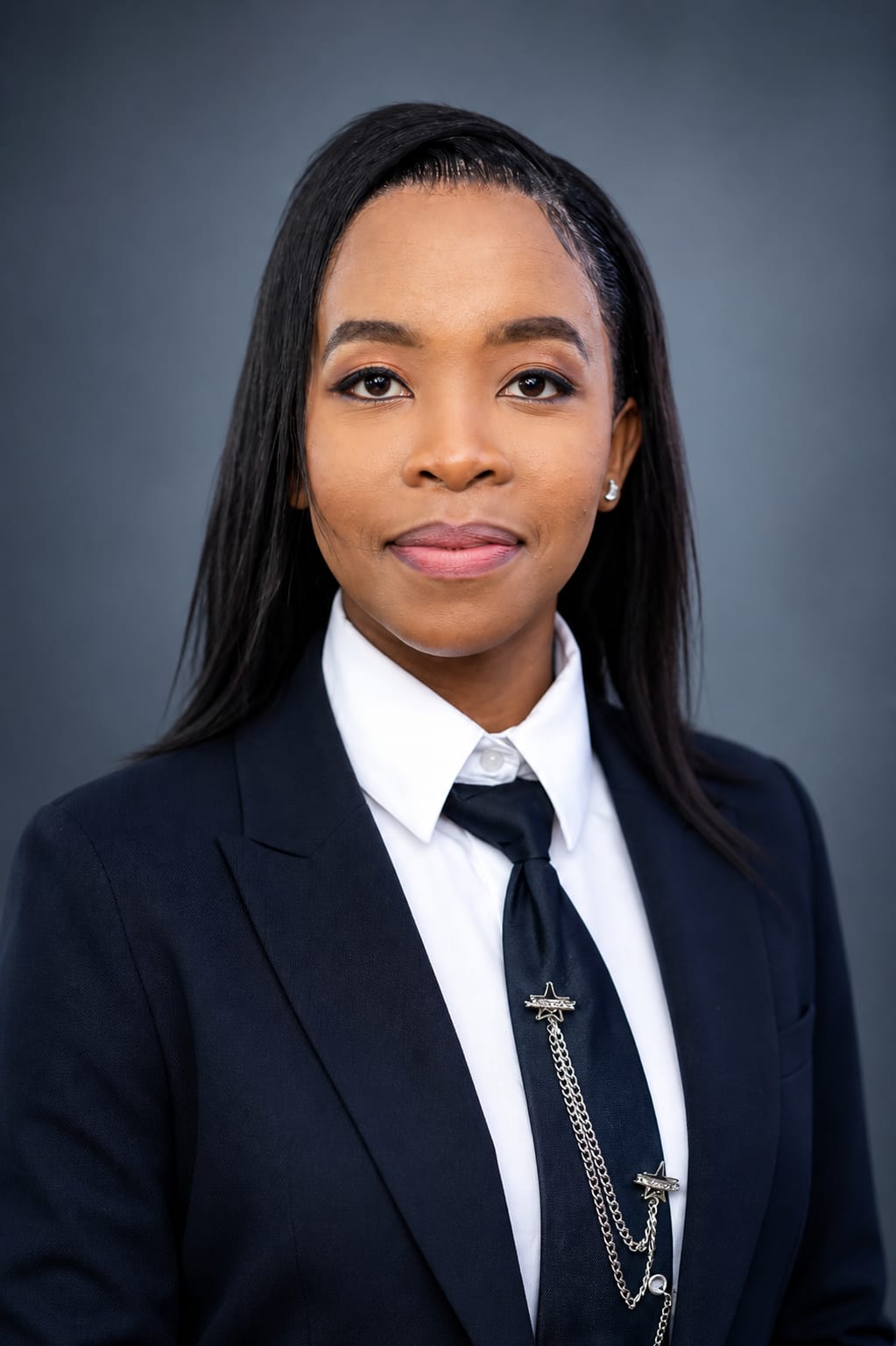
She is a passionate journalist and content creator currently completing a Diploma in Journalism and Media. With a strong focus on agriculture, culture, and entertainment, she is dedicated to amplifying underrepresented voices and driving meaningful conversations. She thrives in professional settings where she can refine her writing and analytical skills while making a tangible impact through storytelling.
Beyond journalism, she creates self-care content that promotes mindfulness, wellness, and balance. By blending investigative depth with lifestyle inspiration, she makes complex topics accessible and highlights the importance of personal well-being in today’s fast