
LESOTHO GBV AT A GLANCE
- 5.5% of GDP — Nationwide economic cost of GBV
- M900 ($50) per citizen — Annual loss per Mosotho
- 86–87% of women — Have experienced GBV in their lifetime
Imagine walking through Maseru and handing over M900 (about $50) to every man, woman, and child you meet. That is the hidden annual economic cost gender-based violence (GBV) imposes on every citizen in Lesotho, according to data presented by the United Nations Population Fund (UNFPA).
At a recent media capacity-building workshop, Miriam Engeler, GBV Analyst at UNFPA, highlighted that GBV is not only a serious human rights and public health issue but also a major economic burden. It drains an estimated 5.5 percent of the country’s Gross Domestic Product (GDP).
“Each citizen could be 50 USD richer if we did not have GBV in the country,” Engeler explained, translating complex economic findings into everyday terms.
The figures originate from a comprehensive baseline study (primarily the 2020 Commonwealth Secretariat report on the economic cost of violence against women and girls). Experts note that the true cost is likely higher today because many cases still go unreported due to fear, stigma, and shame.
The economic impact of gender-based violence manifests in three major ways. Every reported case diverts valuable public resources toward police investigations by the Lesotho Mounted Police Service (LMPS), hospital treatment, court proceedings, and the imprisonment of perpetrators.
“Those doctors use that time to care for her instead of others,” Engeler said. “Any service rendered incurs a cost to society.”
Survivors also suffer significant loss of productivity. When fleeing abusive partners, women frequently lose their homes, leave belongings behind, or are forced to pull their children out of school. Many are unable to work for extended periods due to injury or trauma. “When citizens buy less, the broader economy shrinks,” Engeler explained.
Furthermore, a large portion of the country’s workforce operates below full capacity, which reduces overall economic output and slows national growth.
Lesotho’s statistics paint a particularly grim picture. According to the widely cited Gender Links study, nearly 86 to 87 percent of women and girls in the country have experienced some form of gender-based violence in their lifetime. Maseru District records the highest number of reported GBV cases, while Mokhotlong and Mafeteng districts suffer the highest rates of murders linked to gender-based violence.
Police data further shows that the vast majority of this violence occurs in the home, perpetrated by intimate partners or family members rather than strangers.
Breaking the silence for all victims
While the economic study focuses primarily on violence against women and girls, officials stress that men and boys also suffer abuse, often in silence due to cultural expectations of masculinity.
Mrs ‘Mapuleng Secheche, Acting Director General at the Ministry of Gender, Youth and Social Development, urged male survivors to speak out: “Recent trends indicate that men are increasingly becoming victims of sexual and physical abuse, but these cases largely go unreported.”
She emphasised the media’s role in educating communities and reducing stigma for both genders.
UNFPA Representative Mr John Kennedy Mosoti added that responsible reporting can shift mindsets from individual shame to collective accountability, encouraging survivors to seek help from authorities.
A call to action
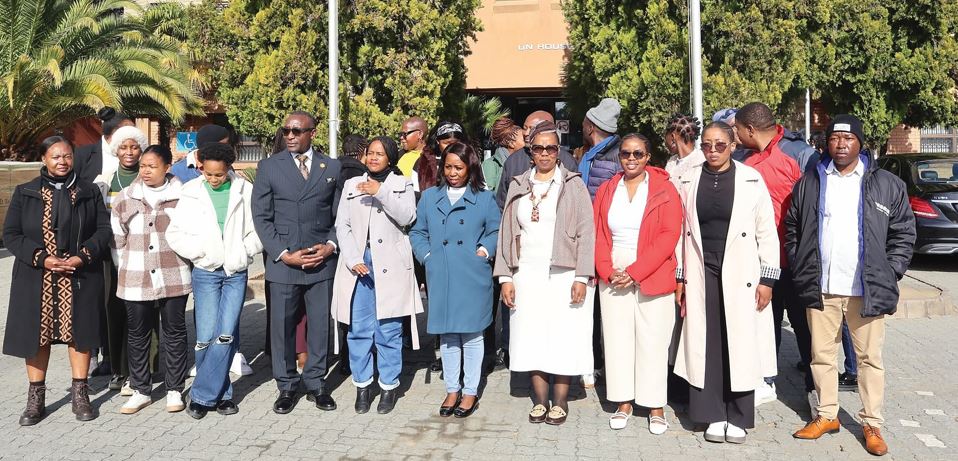
As the workshop ended, participants called for better access to up-to-date data and stronger collaboration between media, government, and communities. Addressing Lesotho’s culture of violence is not only a moral imperative but also essential for the country’s economic recovery and development.
Summary
- At a recent media capacity-building workshop, Miriam Engeler, GBV Analyst at UNFPA, highlighted that GBV is not only a serious human rights and public health issue but also a major economic burden.
- The figures originate from a comprehensive baseline study (primarily the 2020 Commonwealth Secretariat report on the economic cost of violence against women and girls).
- According to the widely cited Gender Links study, nearly 86 to 87 percent of women and girls in the country have experienced some form of gender-based violence in their lifetime.
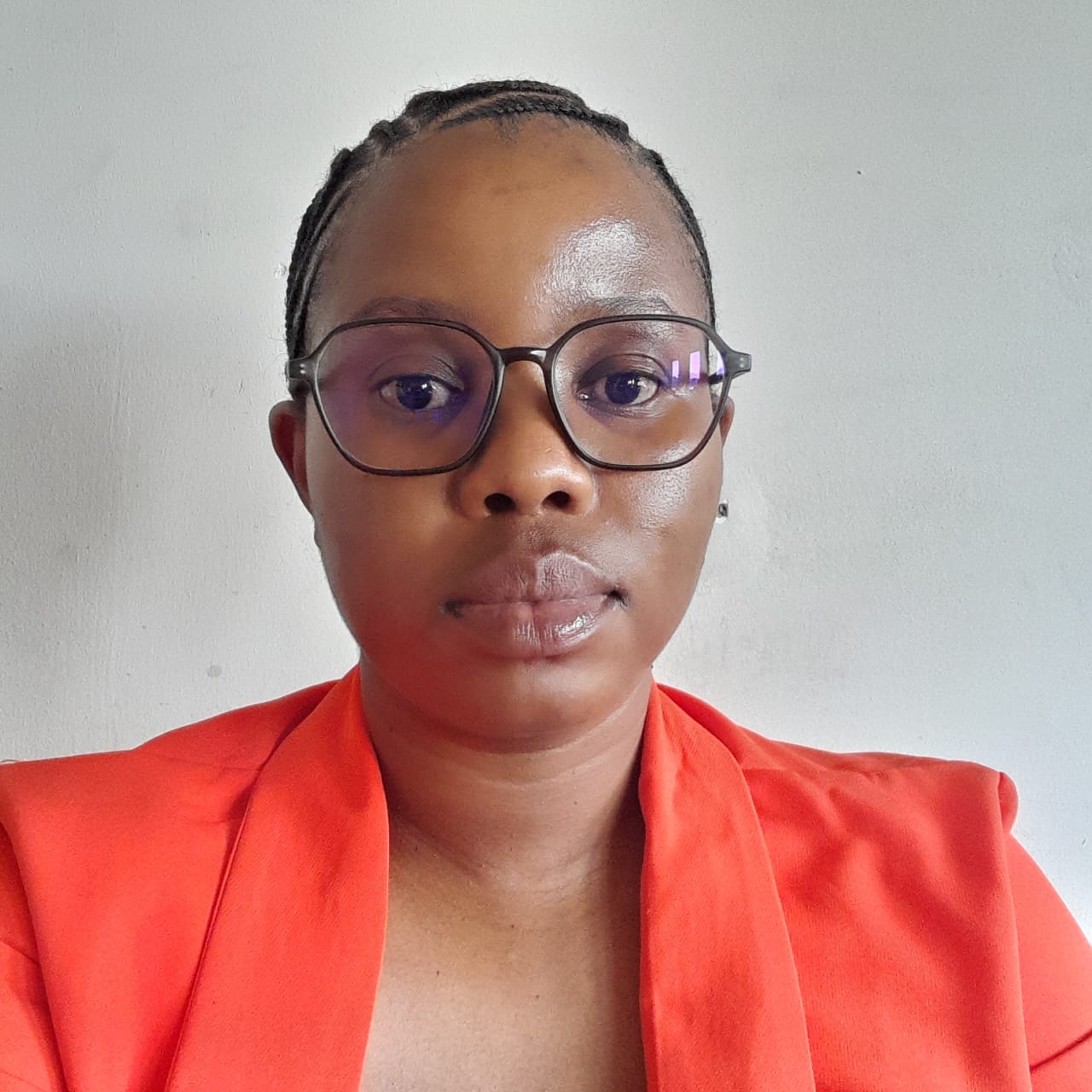
Ntsoaki Motaung is an award-winning health journalist from Lesotho, specializing in community health stories with a focus on sexual and reproductive health and rights, as well as HIV. She has contributed to platforms like “Be in the KNOW,” highlighting issues such as the exclusion of people with disabilities from HIV prevention efforts in Lesotho.
In addition to her journalism, Ntsoaki serves as the Country Coordinator for the Regional Media Action Plan Support Network (REMAPSEN). She is also a 2023 CPHIA Journalism Fellow.