
The Office of the Ombudsman has announced a comprehensive investigation into Lesotho’s public healthcare system following a surge in complaints from patients, bereaved families, health workers, and civil society organisations about deteriorating services.
The probe, described as one of the broadest reviews of the health sector in recent years, will examine systemic failures across public facilities, including the Queen ‘Mamohato Memorial Hospital (QMMH).
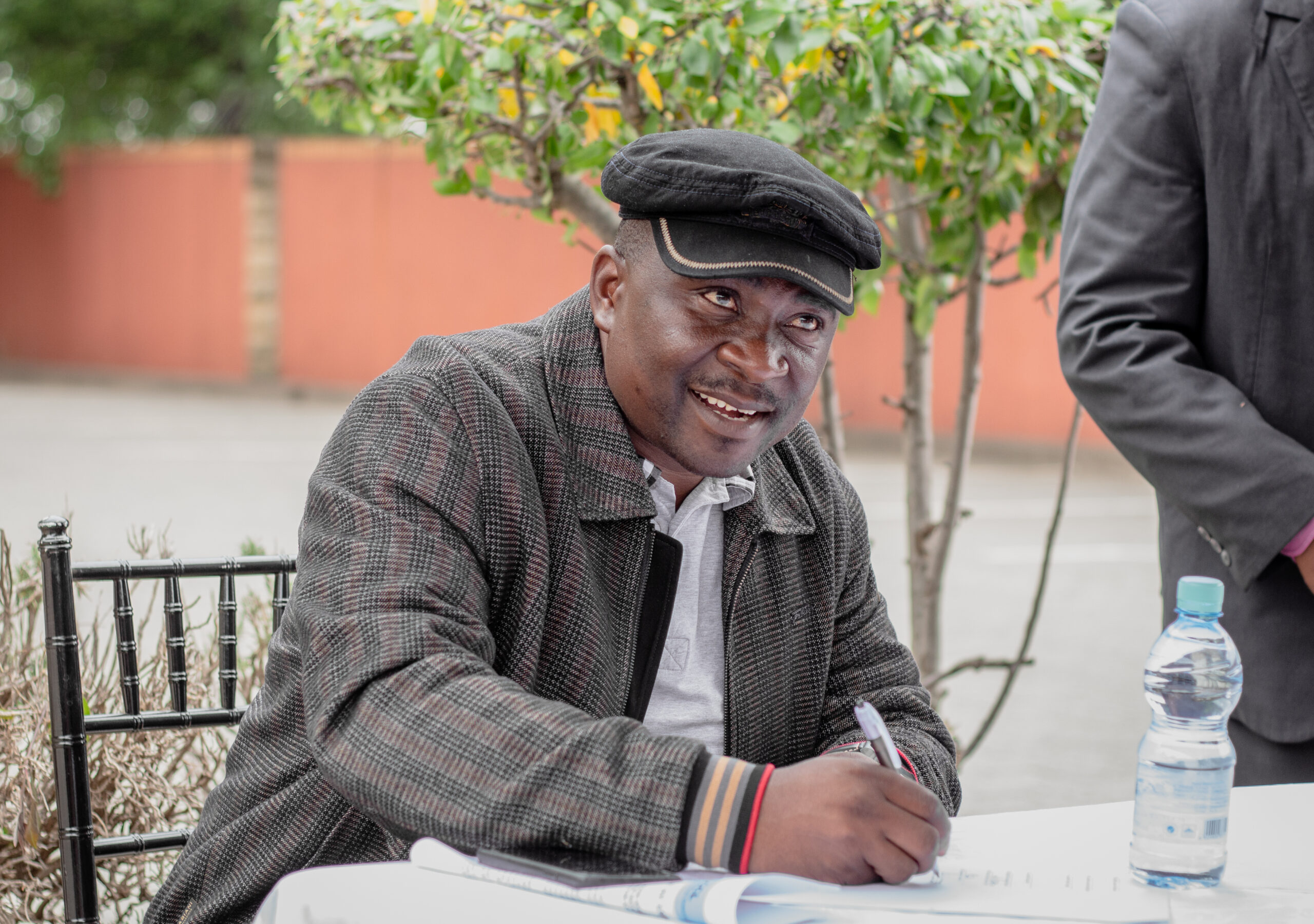
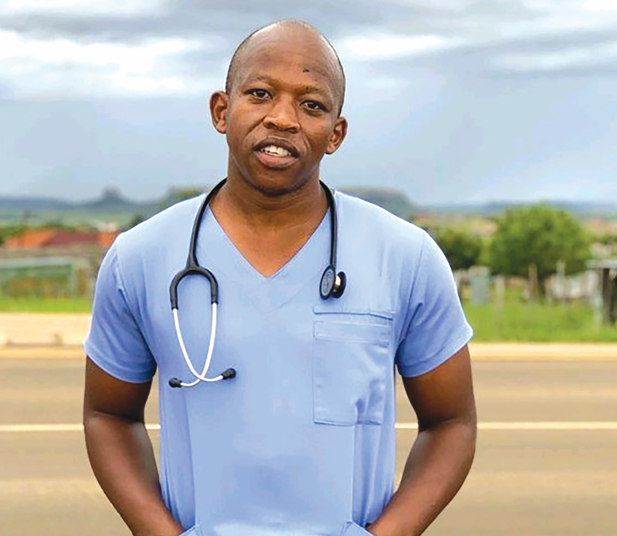
Local doctors have welcomed the move. Dr Mojakisane Ramafikeng, a practising physician, described the investigation as “long overdue” and called for a thorough examination of all aspects of the health system.
“Most things are going wrong with the health system, so an investigation in all areas is necessary,” Dr Ramafikeng said. “This should have been done many years ago.”
He identified poor leadership training as a core problem, noting that health professionals are often appointed to managerial positions without adequate training in running complex institutions. The investigation, he said, should scrutinise patient care processes, management structures, working conditions for staff, and the overall financing of the national health system.
Public facilities are reportedly buckling under severe pressure. Patients face critical delays, with stroke victims missing vital treatment windows, accident victims left waiting for specialist care, and cancer patients experiencing long delays in referrals and treatment. In extreme cases, patients have allegedly died while waiting in queues before receiving medical attention.
The system also grapples with chronic shortages of medicines, equipment, and specialised staff. Paradoxically, Ramafikeng said while hospitals face acute staff shortages, newly qualified doctors are struggling to secure placements for mandatory internships, with the government citing a lack of vacant positions.
“All the time we say doctors should come back after studying to work in their country,” Dr Ramafikeng noted, highlighting the contradiction.
The Office of the Ombudsman emphasised that access to healthcare is a fundamental right enshrined in Lesotho’s Constitution. The investigation aims to establish accountability and improve governance and resource allocation rather than assign blame to frontline workers.
“The probe is not about punishing individual doctors, nurses or emergency personnel who continue to serve under very difficult conditions,” the office stated. Instead, it will focus on identifying administrative and structural failures.
The inquiry will seek answers to six key questions:
- Are patients receiving care within reasonable and medically acceptable timeframes?
- Are referral systems functioning effectively and equitably?
- Are shortages of medicines, equipment, and personnel harming patient outcomes?
- Are complaints from patients and families properly investigated?
- Do current administrative arrangements protect patient dignity and well-being?
- Are avoidable deaths occurring due to systemic failures?
The Ombudsman has called on members of the public, patients, families, healthcare workers, and civil society groups to submit evidence and personal testimonies to support the investigation.
“A nation’s health system should not determine whether a patient lives or dies simply because help arrived too late,” the office said. “The people of Lesotho deserve a healthcare system that preserves life, protects dignity, and inspires confidence.”
The investigation is expected to begin shortly, with findings and recommendations to be made public.
Summary
- The Office of the Ombudsman has announced a comprehensive investigation into Lesotho’s public healthcare system following a surge in complaints from patients, bereaved families, health workers, and civil society organisations about deteriorating services.
- Dr Mojakisane Ramafikeng, a practising physician, described the investigation as “long overdue” and called for a thorough examination of all aspects of the health system.
- The Ombudsman has called on members of the public, patients, families, healthcare workers, and civil society groups to submit evidence and personal testimonies to support the investigation.
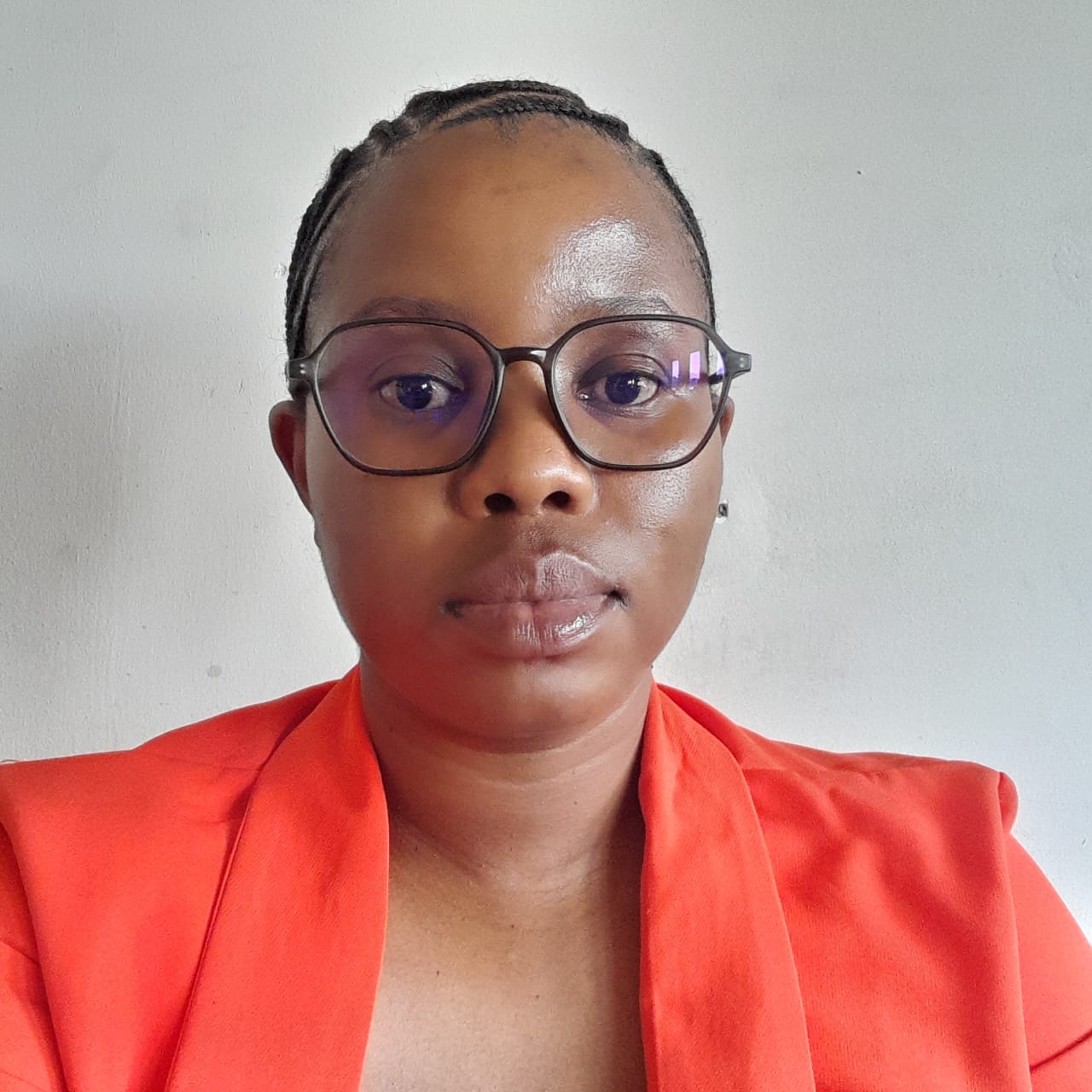
Ntsoaki Motaung is an award-winning health journalist from Lesotho, specializing in community health stories with a focus on sexual and reproductive health and rights, as well as HIV. She has contributed to platforms like “Be in the KNOW,” highlighting issues such as the exclusion of people with disabilities from HIV prevention efforts in Lesotho.
In addition to her journalism, Ntsoaki serves as the Country Coordinator for the Regional Media Action Plan Support Network (REMAPSEN). She is also a 2023 CPHIA Journalism Fellow.