As Ebola continues to spread in Central and East Africa, Lesotho’s health authorities and international partners are intensifying efforts to ensure the country is prepared for any potential outbreak.
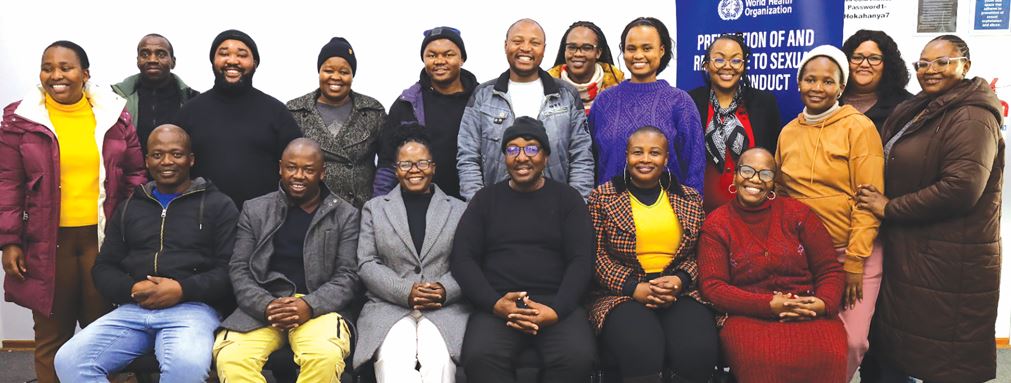
Recently, the District Medical Officer for Leribe and AVoHC-Surge Responder under case management, Dr Pusetso Topo, joined Lesotho’s district management teams and representatives from key ministries, including Health, Agriculture, and the Disaster Management Authority, at a workshop aimed at strengthening the country’s District Rapid Response Teams (DRRTs).
According to Dr Topo, the intensive workshops, supported by the World Health Organization (WHO), sought to equip Lesotho to coordinate a swift and unified response to public health emergencies such as Ebola.
“Disease does not know borders,” Dr Topo stressed, pointing to the deteriorating situation in the Democratic Republic of the Congo (DRC), where Ebola cases continue to rise.
“There is a possibility the disease could reach Lesotho. We must have strategies ready to respond effectively if that happens.”
He explained that the workshops form part of a national campaign to refresh and expand the skills of rapid response teams, particularly those trained during the Covid-19 pandemic. The sessions combine presentations, scenario-based learning and simulation exercises. They also address cultural considerations, recognising that community acceptance is essential for an effective response.
“In the past, lack of understanding and improper community engagement created barriers,” Dr Topo noted.
He said a recent rapid assessment by the Ministry of Health found Lesotho at moderate risk for Ebola, despite its distance from the epicentre. The country’s links through regional migration, the Basotho diaspora and international travel mean a pathogen such as Ebola could arrive within hours.
“We do not want history to repeat itself, as happened with Covid-19, when readiness came too late,” Dr Topo warned.
Public Health Nurse ‘Matumello Kali Mokuku, who took part in the workshops, highlighted the value of ongoing training and teamwork.
“I was first trained around 2021–2022, and this week has been a vital reminder that we must work together as a rapid response team, even as we welcome new members. We were reminded how an outbreak is identified, the procedures to follow, how to engage communities, and the correct use of data,” she said.
Mokuku stressed that the refresher sessions build confidence and clarity among the multidisciplinary teams. “Yes, I am confident that the team we have can overcome diseases. We now know how to coordinate and who does what.”
The WHO has declared the Bundibugyo Ebola outbreak in the DRC (and previously in Uganda) a Public Health Emergency of International Concern (PHEIC).
The Bundibugyo strain, which currently has no approved vaccine or specific treatment, causes severe haemorrhagic fever. Symptoms include unexplained bleeding, intense fatigue, vomiting, diarrhoea and muscle pain.
The virus jumps from infected wildlife to humans and then spreads rapidly through direct contact with bodily fluids or contaminated surfaces.
At the World Health Assembly in 2026, WHO Director-General Dr Tedros Adhanom Ghebreyesus reported early figures of 30 confirmed cases in the DRC’s Ituri province, with further spread to Uganda that included fatal cases in Kampala. He expressed concern about rising suspected cases, urban outbreaks, deaths among healthcare workers and significant regional population movement, all factors that could accelerate cross-border transmission.
The outbreak has since expanded substantially in the DRC, while Uganda has declared its outbreak over.
Public health specialist, nurse educator and PhD candidate Molumaela Lepeli warned in May against complacency.
“The belief that Lesotho is immune to the crisis is a dangerous illusion,” he said. “Our peace and stability make us attractive to migrants and refugees. With Basotho living and travelling worldwide, the risk of importation is real.”
Lepeli urged the Ministry of Health to implement continuous surveillance at all ports of entry, strengthen district coordination, hold regular emergency meetings, provide refresher training for healthcare workers, and ensure social mobilisation through community leaders. He also called for the isolation of suspected cases and secure transport for medical samples.
“Preparation is not optional, it is a matter of national survival,” Lepeli insisted, echoing the broader call from the Africa Centres for Disease Control and Prevention (Africa CDC), which has activated its Incident Management Support Team for a coordinated continental response.
With the WHO and Africa CDC urging neighbouring nations to enhance surveillance and readiness, Lesotho’s health leaders say the time to act is now, before the virus crosses the border.
Summary
- Recently, the District Medical Officer for Leribe and AVoHC-Surge Responder under case management, Dr Pusetso Topo, joined Lesotho’s district management teams and representatives from key ministries, including Health, Agriculture, and the Disaster Management Authority, at a workshop aimed at strengthening the country’s District Rapid Response Teams (DRRTs).
- According to Dr Topo, the intensive workshops, supported by the World Health Organization (WHO), sought to equip Lesotho to coordinate a swift and unified response to public health emergencies such as Ebola.
- At the World Health Assembly in 2026, WHO Director-General Dr Tedros Adhanom Ghebreyesus reported early figures of 30 confirmed cases in the DRC’s Ituri province, with further spread to Uganda that included fatal cases in Kampala.
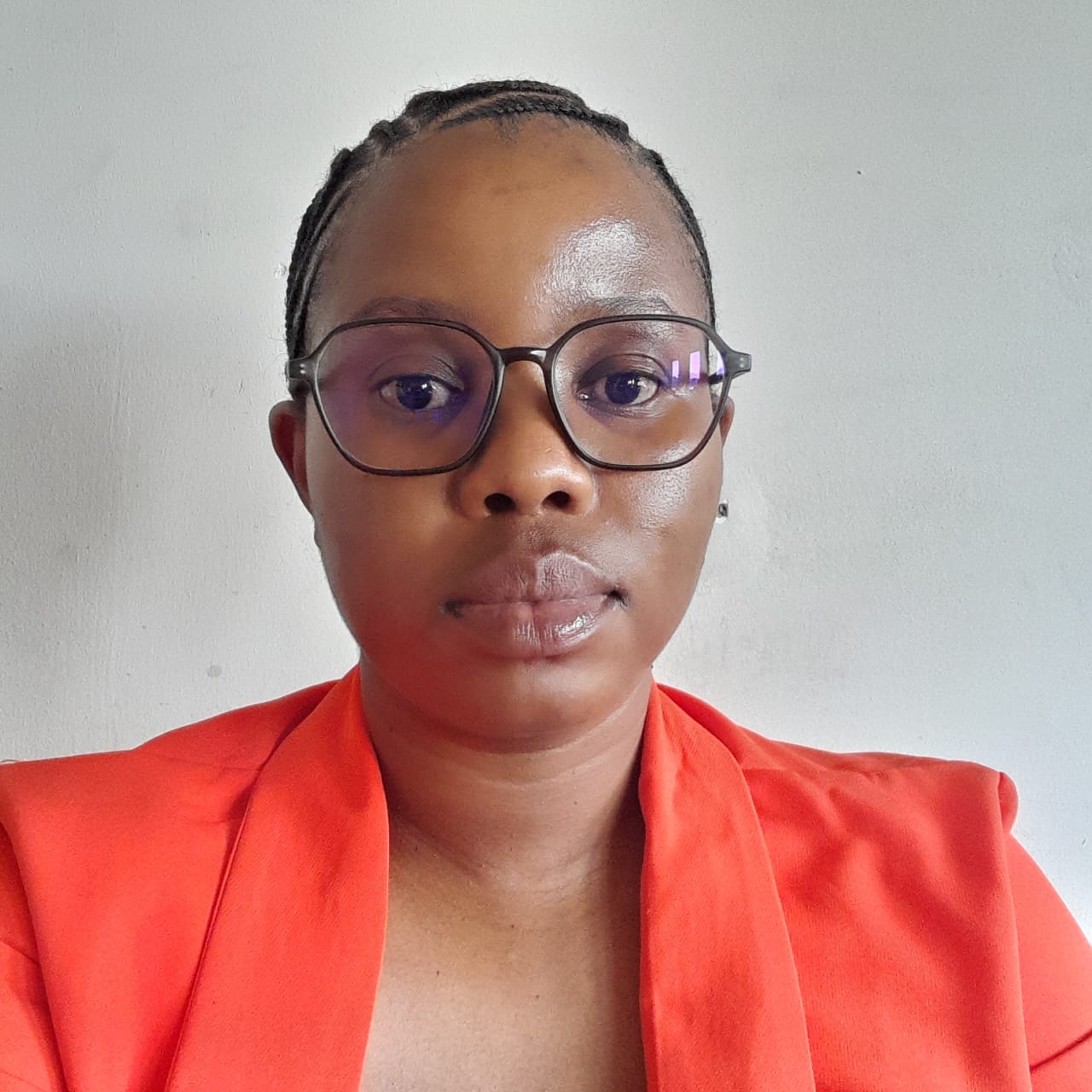
Ntsoaki Motaung is an award-winning health journalist from Lesotho, specializing in community health stories with a focus on sexual and reproductive health and rights, as well as HIV. She has contributed to platforms like “Be in the KNOW,” highlighting issues such as the exclusion of people with disabilities from HIV prevention efforts in Lesotho.
In addition to her journalism, Ntsoaki serves as the Country Coordinator for the Regional Media Action Plan Support Network (REMAPSEN). She is also a 2023 CPHIA Journalism Fellow.