

The Constitutional Court has invited organisations representing groups that may benefit from the affirmative-action provisions of the Tenth Amendment to the Constitution to take part in a legal challenge to the amendment.
The invitation came as the court was due to hear the case this week when the case was about to proceed. The hearing is now scheduled for March 2027.
Parliament passed the amendment in August 2025. It introduces measures to address the disadvantages faced by marginalised groups, alongside other reforms. Section 20A(1) provides for affirmative action for groups marginalised on grounds of gender, age, disability, or another reason arising from history or law.
The challenge has two strands. Kananelo Boloetse and Advocates for the Supremacy of the Constitution, commonly known as Section 2, want the entire Act declared unconstitutional.
The Law Society, which has joined the proceedings as an applicant, is challenging only specific provisions and wants just the clauses it considers objectionable struck down.
The applicants argue that the King was misdirected when he assented to the Act, and that it should therefore be declared null and void. They contend that a referendum was required before Parliament could introduce the constitutional reforms.
Their application asks the court to decide whether sections 20A and 22A, and the amendment to section 24(1), are unconstitutional under section 2 of the 1993 Constitution. They say the procedural requirements in section 85(3)(a) were not met. They also want Parliament to amend section 2 of the original Constitution. The case concerns sections 4 and 5 of the Tenth Amendment.
The respondents are the King, the Speaker of the National Assembly, the President of the Senate, the Minister of Justice and Law, the National Assembly, the Senate and the Attorney-General.
In his answering papers, the Speaker argued that section 20 had not been breached. He said the referendum requirement arises under section 85, not section 20. Section 20 would have been engaged, he argued, only if a referendum had been held and the respondent had been denied the right to participate. His papers state that no referendum was held and that none was required.
The Speaker also referred to the rules governing participation in a referendum, arguing that registered electors may take part, and he criticised the institution known as Section 2.
Some provisions of the Act have already been invoked in the Constitutional Court. In a recent case, former Ombudsman Advocate Tlotliso Polaki argued that she should be allowed to remain in office despite the end of her contract, because section 163 of the Act provides for a transition period.
The Constitutional Court bench comprises Chief Justice Sakoane Sakoane, Justice ‘Maliepollo Makhetha and Dr Itumeleng Shale.
Summary
- The Constitutional Court has invited organisations representing groups that may benefit from the affirmative-action provisions of the Tenth Amendment to the Constitution to take part in a legal challenge to the amendment.
- The respondents are the King, the Speaker of the National Assembly, the President of the Senate, the Minister of Justice and Law, the National Assembly, the Senate and the Attorney-General.
- In a recent case, former Ombudsman Advocate Tlotliso Polaki argued that she should be allowed to remain in office despite the end of her contract, because section 163 of the Act provides for a transition period.
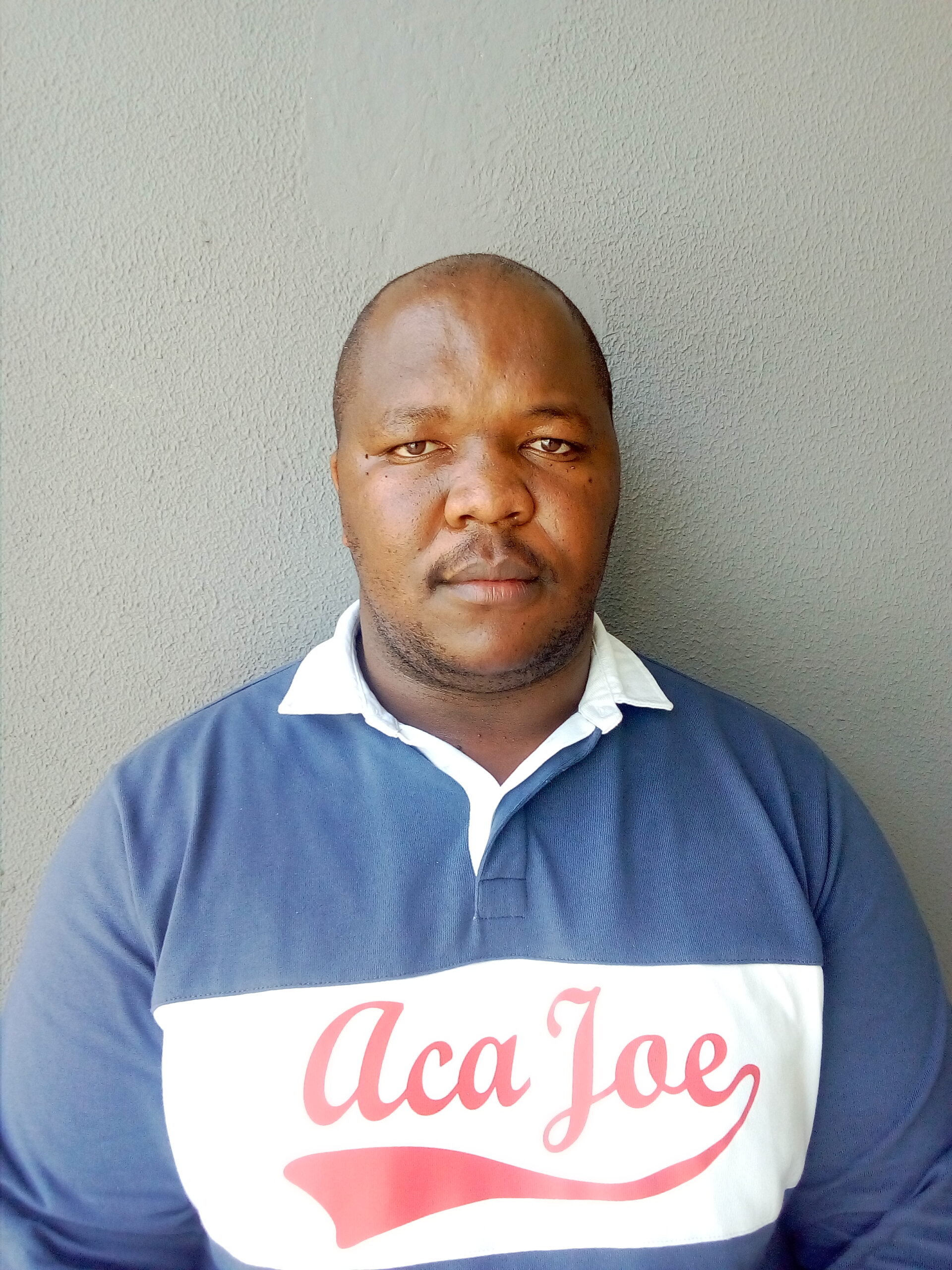
Thoboloko Ntšonyane is a dedicated journalist who has contributed to various publications. He reports on accountability, human rights, exposes corruption and wrong doing by those in power. He reports have exposed corruption, abuse of power, fraud, misconduct and negligence. He subscribes to evidence-based reporting. He reports on governance, parliament, courts, climate change, human rights, sexual and reproductive health rights (SRHR), health, business and agriculture. He gives a voice to the marginalised while also demanding accountability. His work inspires change, triggers dialogue and also promote transparency in a society.