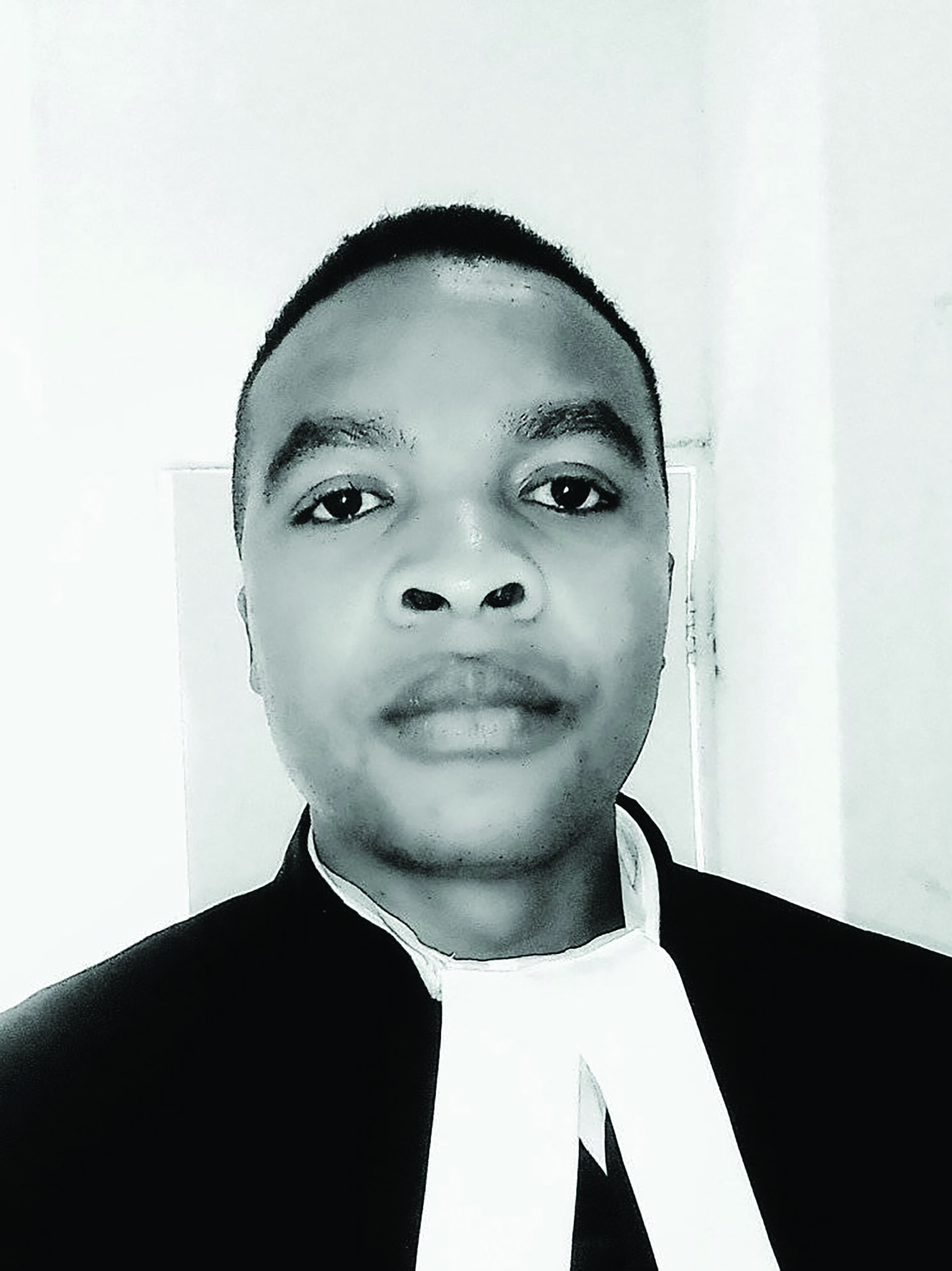

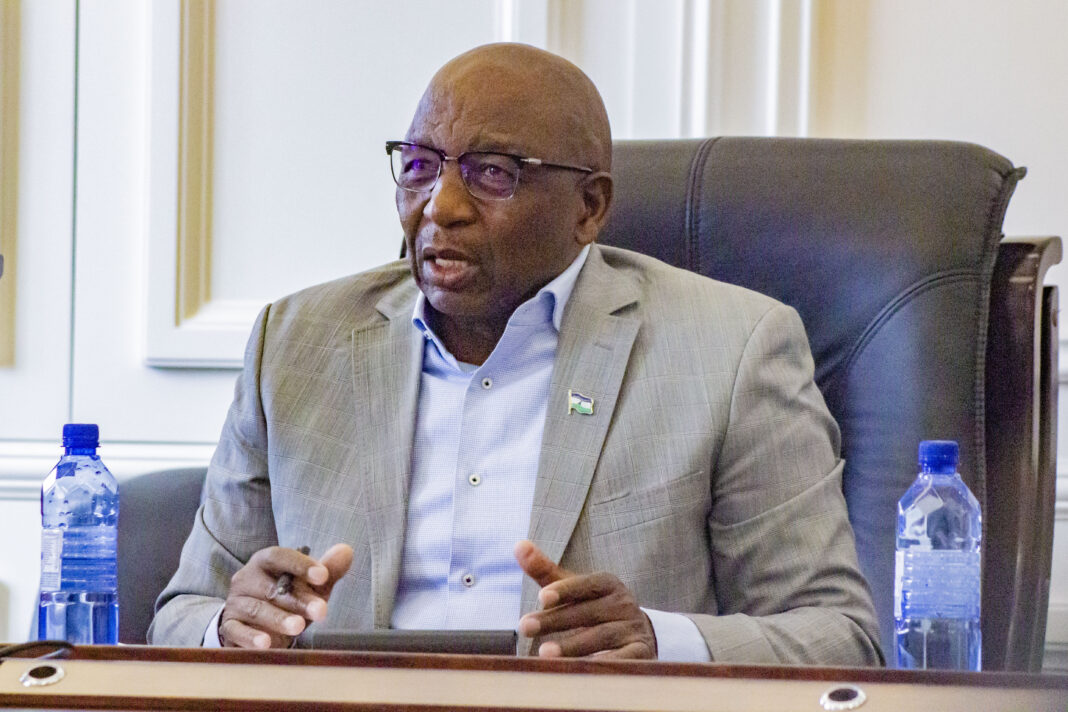
Prime Minister Samuel Matekane insists that Kananelo Boloetse, who remains in danger from his unknown attackers, must come out of hiding and report to the police, 25 days after his ordeal.
Boloetse is the same man whose masked attackers told him they would find and kill him if he breathed a word to the public about what happened.
Matekane was briefing the media on Wednesday this week, following his week-long trip to the United States, where he attended the UN Week in New York. Asked whether he was aware of developments in Boloetse’s case since his abduction and torture on 5 September, and what his position was, he responded.
The Prime Minister had not publicly addressed the matter until this week. Matekane said the police briefed him on the case when he returned from New York:
“As the government, we categorically condemn this unfortunate act on Boloetse. I was informed the police are going on with investigations, but the police have requested him to come out of his hideout and report himself with them to assist them with some details about the investigations.”
He said the police had undertaken to provide Boloetse with safety, “and want him to come out of hiding to assist them with investigations. They (police) said they no longer found him as they try to reach him. They reported to me that Boloetse was assisted by his colleagues and sought refuge elsewhere, instead of being in the safety of police. And the government of the day, our doors are also open for Boloetse to find safety. As government, we also need to know what is going on with this case. He should come out and help us.”
The Prime Minister said the police claimed they could no longer reach Boloetse by phone:
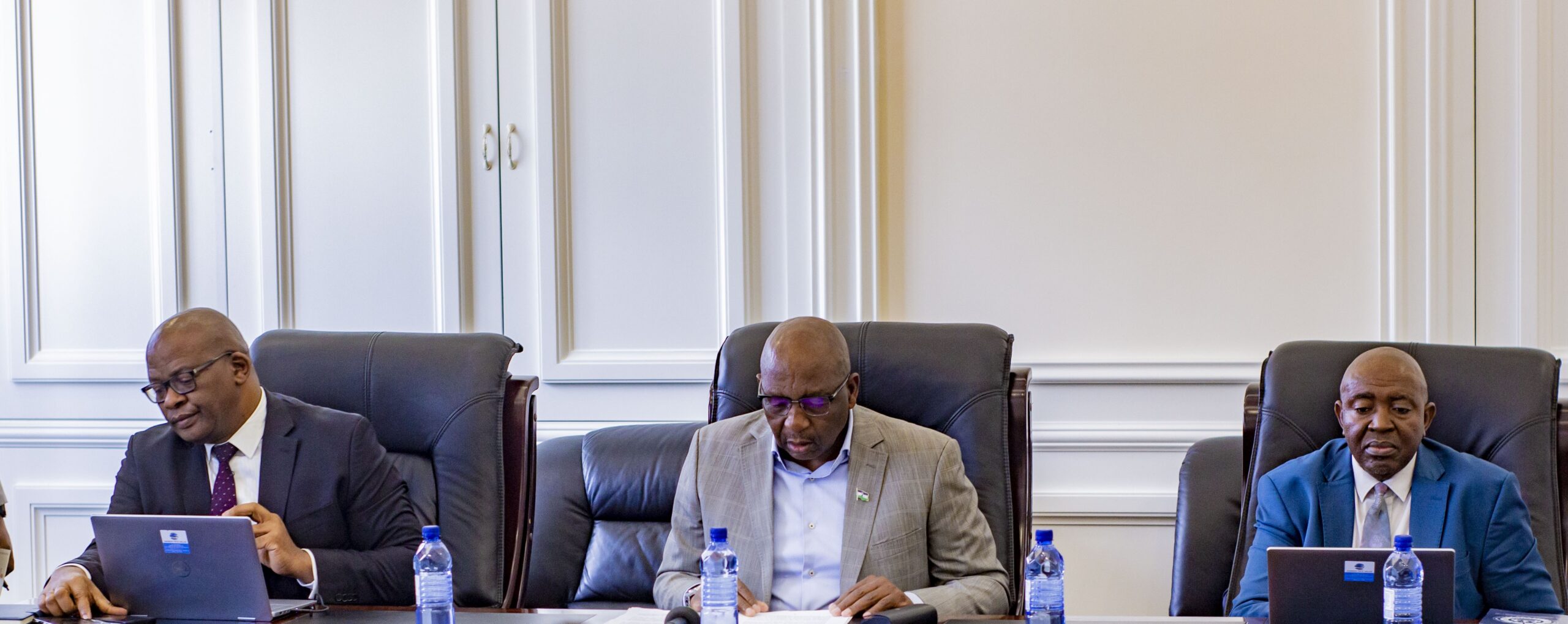
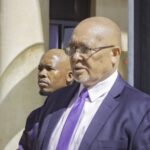
Boloetse is the same man whose masked attackers told him they would find and kill him if he breathed a word to the public about what happened. From left Minister of Foreign Affairs Limpho Tau, Prime Minister Ntsokoane Samuel Matekane, and PM’s Office Chief of Staff Sofonea Shale.
“They said every-time they called him, he was not reachable and he did not return their calls. They keep bothering him, but there is no effort from him to return their calls, they said.”
It remains unclear what exactly the police need from Boloetse. Many Basotho have expressed dismay that the police, who are expected to investigate the attack, appear to be spending resources chasing Boloetse rather than identifying his abductors and torturers.
Last week, Members of Parliament asked in the National Assembly whether the police were handling the case properly. An opposition legislator has now moved to force the government’s hand by asking Parliament to set up an independent commission of inquiry.
Dr Mahali Phamotse, the Matlakeng constituency legislator and leader of the United Africans Transformation (UAT), has filed a notice of motion in the National Assembly, dated 24 September 2026. It seeks to move the case beyond the current police investigation and establish a full commission of inquiry. Dr Phamotse argues that the police are implicated in the ordeal and cannot properly investigate themselves.
The motion is seconded by Popular Front for Democracy (PFD) leader Advocate Lekhetho Rakuoane. It also calls for a probe into the government’s alleged involvement in the attack and for a full report to be tabled before the House.
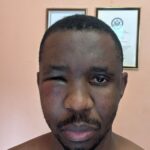
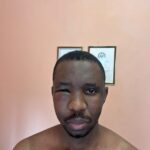
Boloetse is an editor at Newsday and a human rights defender with Advocates for the Supremacy of the Constitution – Section 2. He was abducted by three unidentified men at his home in Katlehong, Maseru, on the evening of 5 September.
The attackers, whose faces were covered, forced him into their car and drove him 24 kilometres to Thaba-Bosiu, where they took turns torturing him before abandoning him for dead near the Phuthiatsana River.
In his account, Boloetse said the men interrogated him about his work as both a journalist and a rights activist while they tortured him. Before leaving him almost lifeless, one of the attackers threatened to shoot him and dump his body in the river, he said. He had noticed two of them handling pistols when they forced him from his home.
A passing motorist found Boloetse, stopped to help and drove him in his Sprinter minibus to the nearest army base. From there he was taken to Queen ‘Mamohato Memorial Hospital for treatment.
Boloetse reported the attack to the police himself the following day and gave a statement at Maseru Central Charge Office. Yet Police Commissioner Advocate Borotho Matsoso told a press briefing on 10 September that investigators had made no breakthrough because they could not locate Boloetse to assist with the investigation. He accused Boloetse’s Newsday colleagues of concealing his whereabouts.
Boloetse has since gone into hiding, fearing for his life, because his abductors threatened to kill him the next time they see him alive.
The attack has sent shockwaves through the country and abroad, with several international bodies condemning it and calling on the Lesotho authorities to launch an independent investigation.
The Prime Minister made no reference to the proposed commission of inquiry but insisted the Lesotho Mounted Police Service should be trusted to investigate the matter.
Summary
- I was informed the police are going on with investigations, but the police have requested him to come out of his hideout and report himself with them to assist them with some details about the investigations.
- Boloetse is the same man whose masked attackers told him they would find and kill him if he breathed a word to the public about what happened.
- It also calls for a probe into the government’s alleged involvement in the attack and for a full report to be tabled before the House.
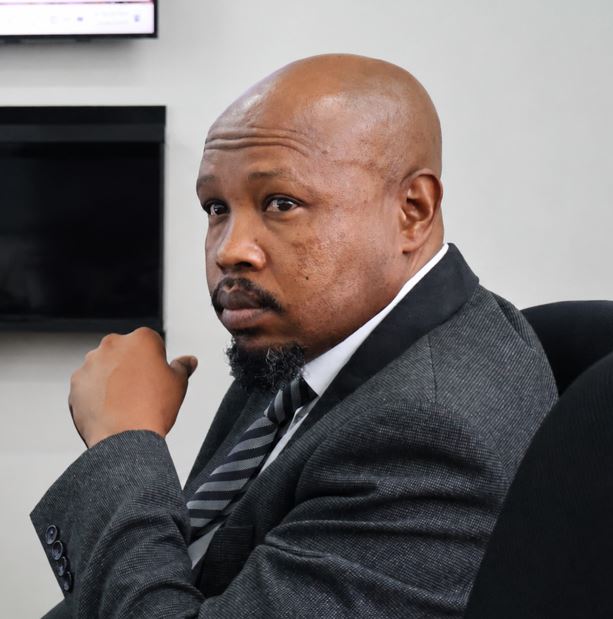
I am a journalist based in Maseru, Lesotho, renowned for investigative reporting. Over the years, my work has been published both locally and internationally, including in South Africa through the Amabhungane Centre for Investigative Journalism and the Daily Maverick, among other publications.
In Lesotho, I have served as a senior reporter for several leading weekly newspapers, including the Lesotho Times, Public Eye, and Sunday Express. My reporting has focused on uncovering issues of public interest, promoting accountability, and giving voice to underreported stories.
In 2016, I co-founded the MNN Centre for Investigative Journalism in Maseru, an initiative dedicated to strengthening investigative journalism and fostering a culture of transparency and public-interest reporting in Lesotho.