In Lesotho, reaching every child with life-saving vaccines is not an easy task. The land is covered with tall mountains and deep valleys.
Many villages can only be reached by walking for hours, riding on horseback, or even by helicopter, especially during the rainy season when roads are washed away.
But the people of Lesotho, together with strong partners like the World Health Organization (WHO), UNICEF, and Gavi, the Vaccine Alliance, are working hard every day to make sure no child is left behind.
At a recent meeting in Lesotho, representatives from these organizations came together to talk about the progress and challenges of the country’s immunization program.
Dr. Innocent Nuwagira, the WHO representative, explained that Lesotho’s health system is built on primary health care, where immunization is part of regular services for mothers and children.
“More than 6,000 village health workers and many partners work together to deliver vaccines, even in the most remote areas,” he said.
He said over the years, Lesotho has achieved a lot. The country has been free from polio since 2005 and has also stopped maternal and newborn tetanus since 2000.
“New vaccines, like those for pneumonia, rotavirus, and HPV, have been introduced to protect even more children. The government has also increased its own spending on immunization, showing a strong commitment to keeping children healthy,” he said.
Nuwagira highlighted big challenges including some parts of Lesotho called “hardest to reach,” where children are still missing out on vaccines.
“The coverage for the second dose of the measles vaccine is only 60 percent, much lower than the 95 percent needed to fully protect everyone. Outbreaks of measles and diphtheria in neighboring countries are also a concern, as diseases can easily cross borders,” he said.
He stated that, this is why planning and partnerships are so important. The Ministry of Health, with support from partners, has created a new National Immunization Strategy to guide their work.
“They are also finalizing a new health policy and a strategic plan for the health sector. These documents will help Lesotho apply for new support from Gavi, known as Gavi 6.0”. Dr. Nuwagira stressed that, even with progress, more funding is needed, especially for small countries with big challenges like Lesotho.
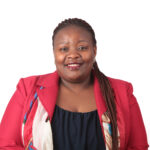
The Minister of Health, Mamokete Ntsekhe, shared her own story of growing up in a mountain village where vehicles could not reach.
She explained how the difficult terrain makes it hard to deliver health services, but she is proud of what health workers achieve every day.
She thanked Gavi for their support, which has helped bring new vaccines and build a stronger health system.
However, she also expressed concern about planned reductions in funding. She warned that if funding is cut too quickly, it could undo the progress made over the past twenty years.
Jonna Jeurlink, Gavi’s Senior Country Manager, agreed that the challenges are real. She said Gavi’s new phase, Gavi 6.0, will bring changes, including less financial support. This means Lesotho must find more resources within the country.
Jonna encouraged the government to plan carefully, set clear priorities, and work closely with all partners.
She also stressed the importance of making sure funds reach the health workers who deliver vaccines.
Dr. Ngozi Kennedy from UNICEF praised the hard work of the Ministry of Health and all partners.
She said UNICEF will continue to support Lesotho with technical help, data analysis, strengthening the supply chain, and community engagement.
She called for strong coordination and teamwork, so that every child can receive the vaccines they need.
Summary
- But the people of Lesotho, together with strong partners like the World Health Organization (WHO), UNICEF, and Gavi, the Vaccine Alliance, are working hard every day to make sure no child is left behind.
- At a recent meeting in Lesotho, representatives from these organizations came together to talk about the progress and challenges of the country’s immunization program.
- “They are also finalizing a new health policy and a strategic plan for the health sector.
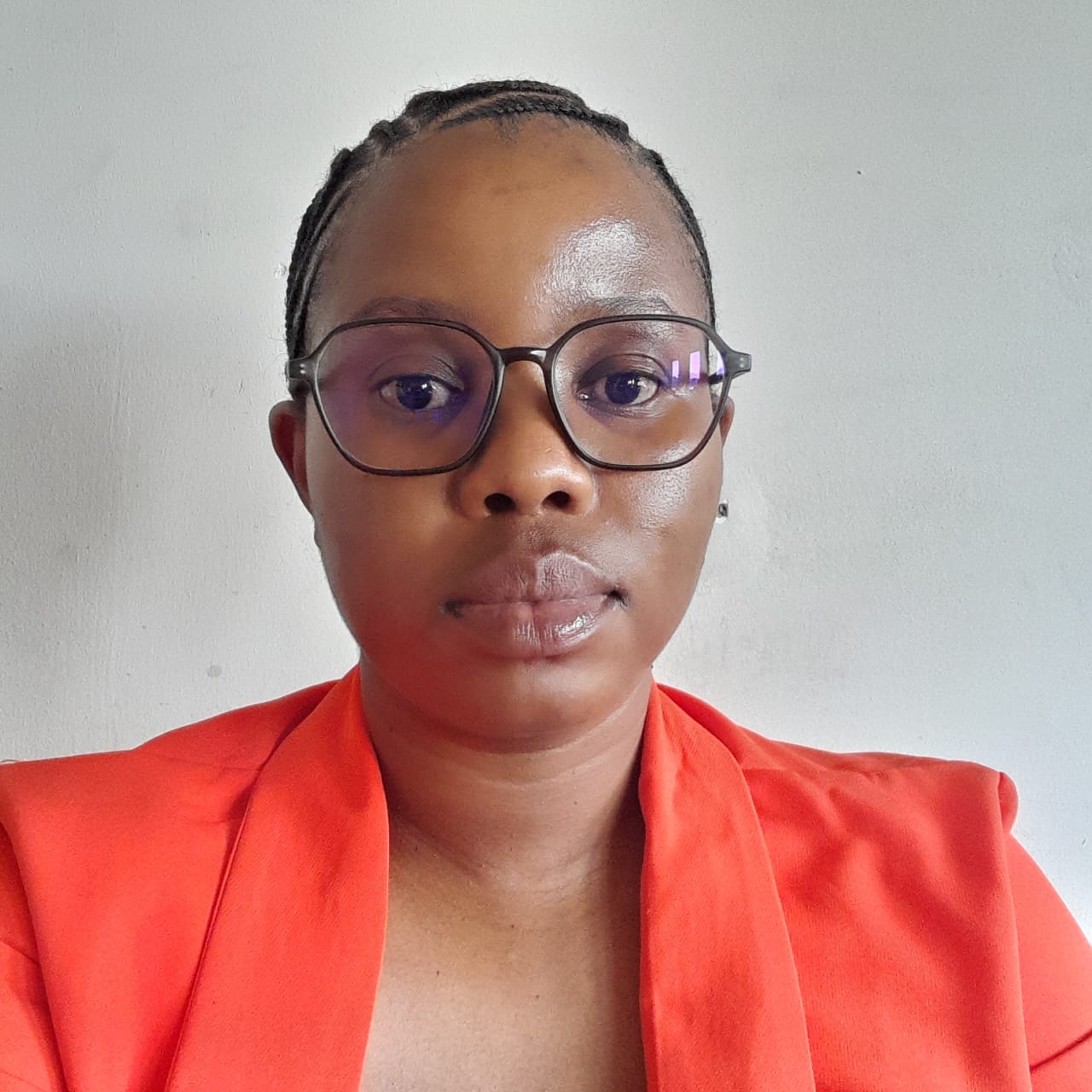
Ntsoaki Motaung is an award-winning health journalist from Lesotho, specializing in community health stories with a focus on sexual and reproductive health and rights, as well as HIV. She has contributed to platforms like “Be in the KNOW,” highlighting issues such as the exclusion of people with disabilities from HIV prevention efforts in Lesotho.
In addition to her journalism, Ntsoaki serves as the Country Coordinator for the Regional Media Action Plan Support Network (REMAPSEN). She is also a 2023 CPHIA Journalism Fellow.