
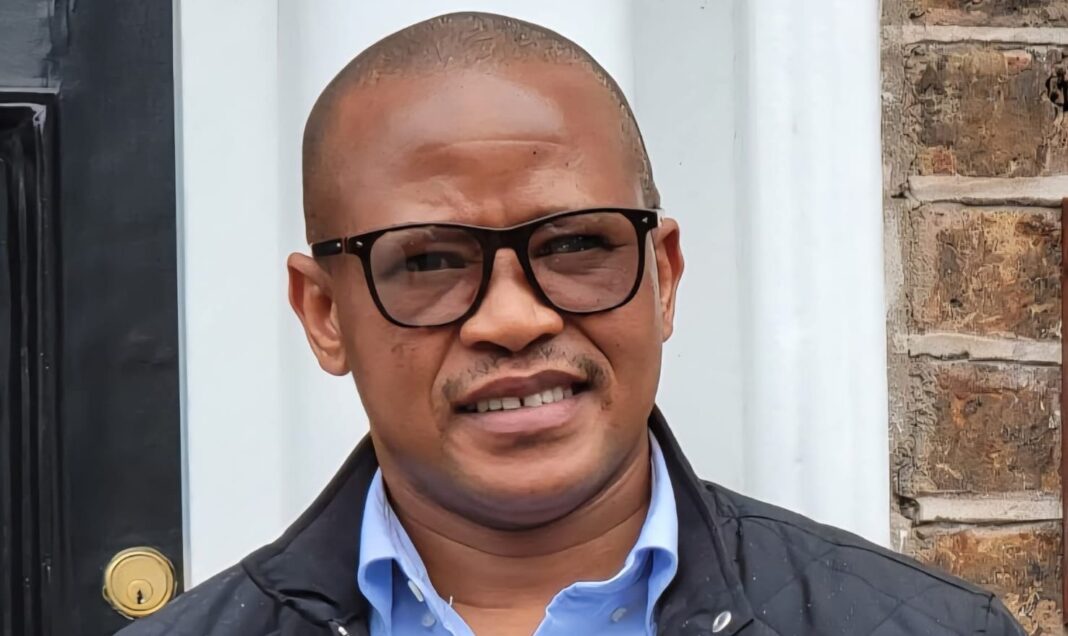
As the world is predicted to face one of the strongest El Niño climate events on record, Molumaela Lepeli, a nurse educator, public health specialist, and PhD candidate, is sounding the alarm about the silent suffering that could soon spread across communities, especially among women and children.
“El Niño is not just a weather event,” Lepeli insists. “It is a test of survival for mothers and their children.”
Known for causing above-average sea temperatures in the Pacific Ocean, El Niño’s effects ripple across continents, triggering droughts, heatwaves, floods, and storms. But for millions in low- and middle-income countries, especially in Africa, these disruptions are more than a scientific curiosity, they are a looming crisis.
Lepeli describes a likely daily reality where young children may gasp for breath in stifling heat and mothers could walk hours under a scorching sun, searching for water and food.
“Children are not just small. Their bodies are still growing. They eat and drink more for their body size, their immune systems are not fully developed, and their lungs work harder. When the air is thick with dust or smoke from wildfires, or when water is dirty, children fall sick much more easily.”
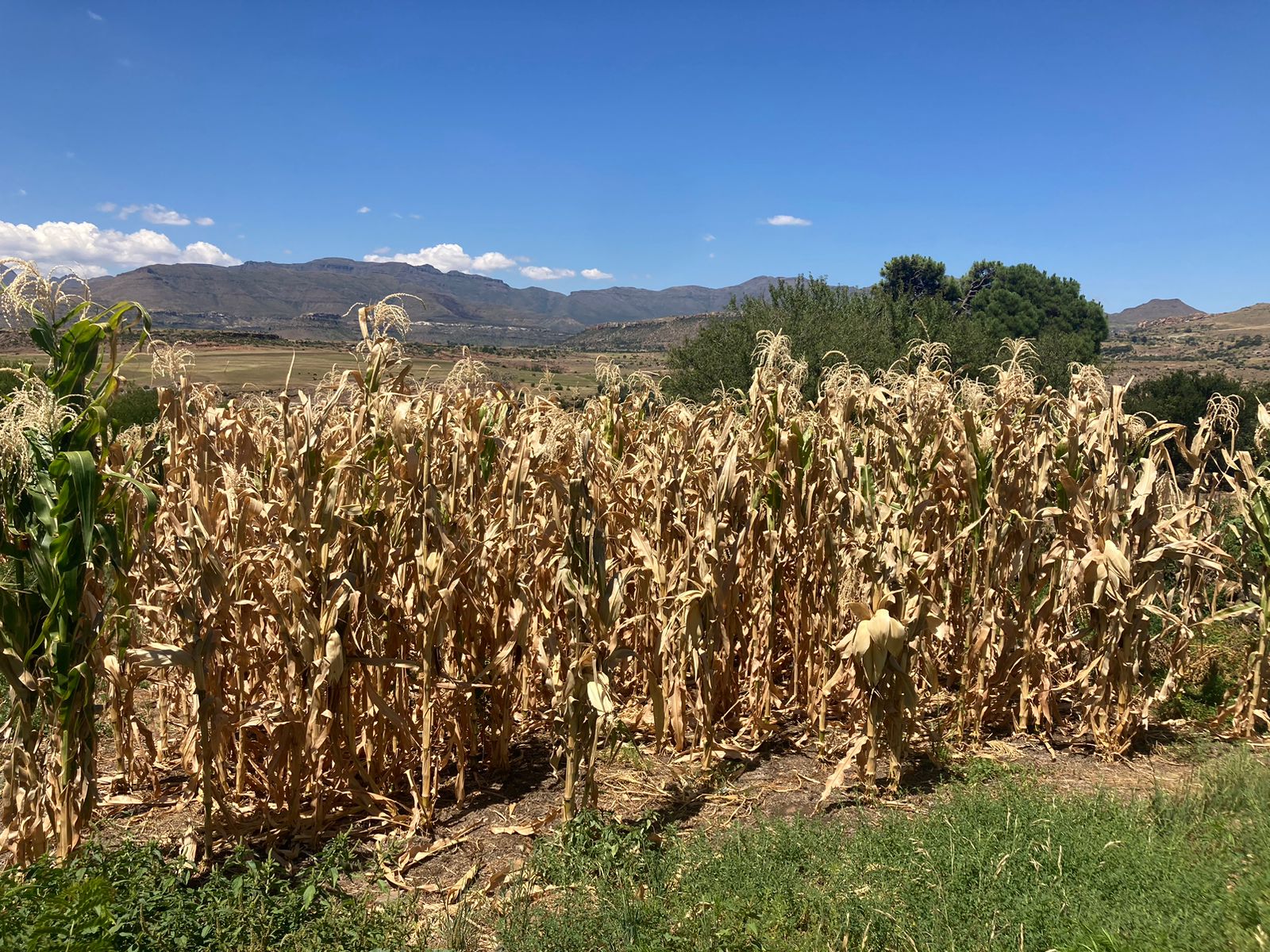
If this year’s El Niño event unfolds as predicted, temperatures are expected to rise and crops may fail in many regions, especially in eastern and southern Africa. The likely result is a surge in malnutrition.
“When crops fail, there is not enough food. Children start losing weight, and some never recover. Their growth can be stunted for life.”
He recalls visiting villages where the only meal for a family is a handful of maize meal, stretched thin with water that it is not safe to drink.
Pregnant women could face even greater risks; “Pregnancy is a stress test for a woman’s body. The heart, lungs, and immune system all have to work harder. Now imagine a pregnant mother who has to walk for miles in the heat just to reach a clinic, or who cannot find enough food. Dehydration can set in quickly, and what harms the mother harms the unborn child.”
Too often, expectant mothers may skip antenatal visits because of unbearable heat or because they cannot leave their younger children at home alone.
“Some mothers are forced to give birth at home, without a trained midwife,” Lepeli adds. “If there are complications, it can take hours or even days to reach a health facility. We lose both mothers and babies this way.”
Lepeli warns that the pressure of El Niño will go beyond physical health. In many families, when food and water run out, the burden falls on women to find solutions.
“Women are usually the ones who fetch water, cook, and care for the sick. When resources are scarce, they spend more time walking, carrying heavy loads, and less time resting or working for income. Girls may have to stay home from school to help, and education becomes a casualty too.”
The strain on families might lead to even darker consequences. “We see a rise in gender-based violence and even child marriages during times of crisis.When families are desperate, marrying off young daughters can seem like a way to cope or reduce mouths to feed. But it is a tragedy that only deepens the suffering.”
The health risks will not end with hunger and heat. As water becomes scarce or contaminated, outbreaks of diseases like cholera, diarrhea, and malaria could become more common.
“Children are the first to get sick, and sometimes the last to get help. Hospitals and clinics may become overwhelmed, and medicines could run out.”
The toll on mental health is just as severe. “Children who survive disasters like floods or fires often struggle with anxiety and trauma. When schools close or homes are destroyed, the sense of safety is lost. We see more cases of depression and post-traumatic stress, especially in young people.”
Lepeli believes that the world cannot afford to ignore these warning signs. “El Niño exposes deep inequalities in our societies. Those who are poor, who live in rural areas, who already have limited access to healthcare, these are the people who suffer most.”
He calls for urgent support, strengthening health systems, ensuring access to clean water and food, and supporting women and children through community programs.
As the climate crisis fuels more frequent and severe El Niño events, Lepeli’s message is clear, “We must act before the next disaster strikes. Every child’s life, every mother’s health, should matter. We need early warning systems, better support for pregnant women, and real investment in community resilience. El Niño’s impact is not inevitable, it is a call to action.”
The World Health Organization (WHO) warns that “El Niño does not directly cause disease. It can instead be considered as a risk modifier, with the greatest risks expected where El Niño-related climate anomalies coincide with weak health systems, low population immunity, poor access to care, and environmental conditions favorable to disease transmission.”
A major new study published in Nature Communications shows just how dangerous El Niño can be for children.
Researchers found that when mothers are exposed to El Niño-like conditions during and before pregnancy, the risk of their children dying before the age of five rises dramatically, by as much as 48 percent compared to normal years.
The risks are expected to be even greater for families living in rural areas, those who lack clean drinking water, and mothers with little education.
Summary
- As the world is predicted to face one of the strongest El Niño climate events on record, Molumaela Lepeli, a nurse educator, public health specialist, and PhD candidate, is sounding the alarm about the silent suffering that could soon spread across communities, especially among women and children.
- He recalls visiting villages where the only meal for a family is a handful of maize meal, stretched thin with water that it is not safe to drink.
- Now imagine a pregnant mother who has to walk for miles in the heat just to reach a clinic, or who cannot find enough food.
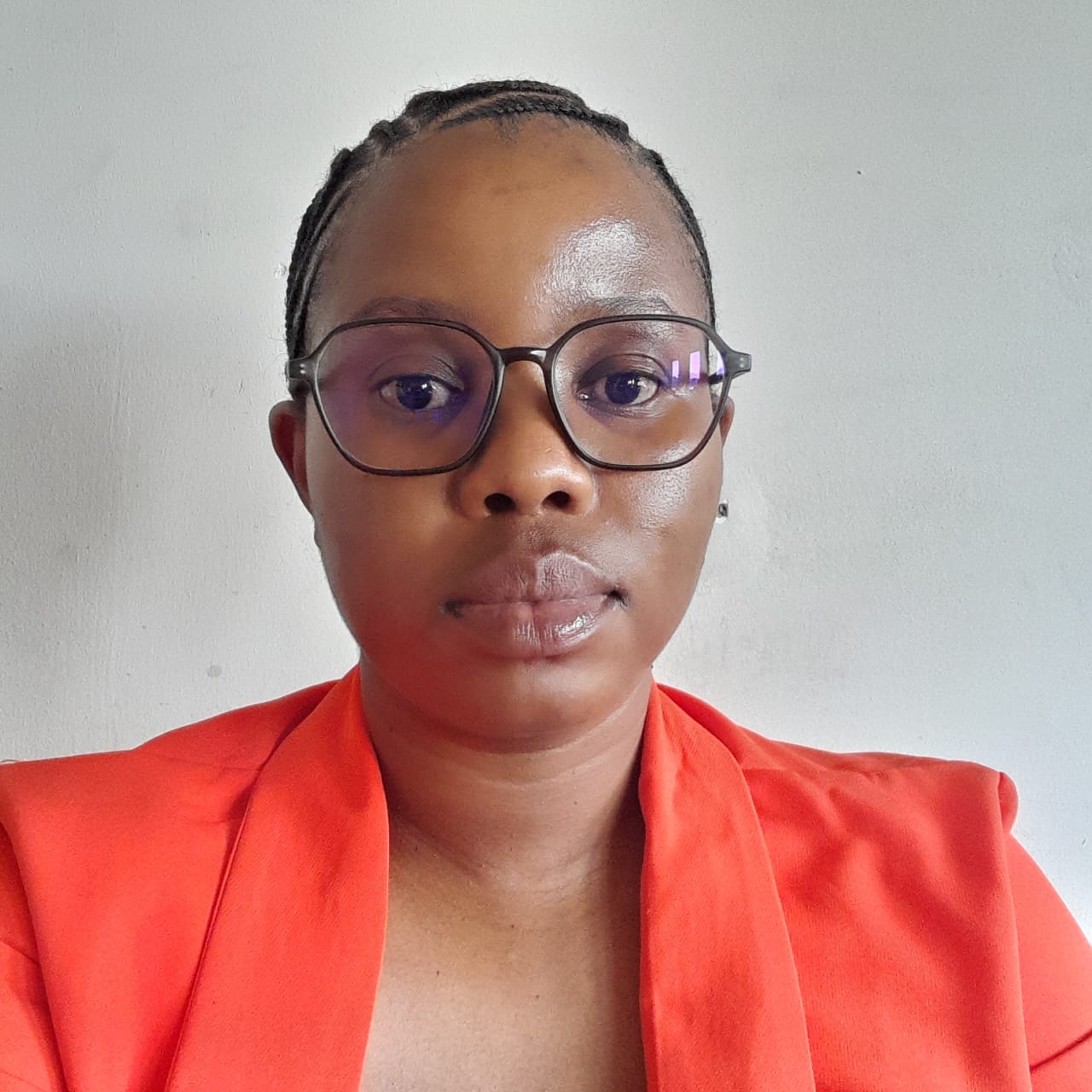
Ntsoaki Motaung is an award-winning health journalist from Lesotho, specializing in community health stories with a focus on sexual and reproductive health and rights, as well as HIV. She has contributed to platforms like “Be in the KNOW,” highlighting issues such as the exclusion of people with disabilities from HIV prevention efforts in Lesotho.
In addition to her journalism, Ntsoaki serves as the Country Coordinator for the Regional Media Action Plan Support Network (REMAPSEN). She is also a 2023 CPHIA Journalism Fellow.