The World Health Organization (WHO), the World Meteorological Organization (WMO), UNICEF, and the United Nations Population Fund (UNFPA) have jointly launched a first-of-its-kind monitoring framework to track the escalating health threats that extreme heat and climate disruptions pose to pregnant women, newborns, and children. | Molumaela Lepeli, a nurse educator, public health specialist, and PhD candidate
Ntsoaki Motaung is an award-winning health journalist from Lesotho, specializing in community health stories with a focus on sexual and reproductive health and rights, as well as HIV. She has contributed to platforms like "Be in the KNOW," highlighting issues such as the exclusion of people with disabilities from HIV prevention efforts in Lesotho.
In addition to her journalism, Ntsoaki serves as the Country Coordinator for the Regional Media Action Plan Support Network (REMAPSEN). She is also a 2023 CPHIA Journalism Fellow.
As the world prepares to face one of the strongest El Niño climate events on record, international health agencies and frontline experts are sounding the alarm.
The World Health Organization (WHO), the World Meteorological Organization (WMO), UNICEF, and the United Nations Population Fund (UNFPA) have jointly launched a first-of-its-kind monitoring framework to track the escalating health threats that extreme heat and climate disruptions pose to pregnant women, newborns, and children.
The timing is critical. Molumaela Lepeli, a nurse educator, public health specialist, and PhD candidate, had warned that the upcoming climate shocks will trigger silent suffering across vulnerable communities, particularly in low- and middle-income regions like eastern and southern Africa.
“El Niño is not just a weather event,” Lepeli insists. “It is a test of survival for mothers and their children.”
El Niño is known for causing above-average sea temperatures in the Pacific Ocean, triggering a ripple effect of droughts, heatwaves, floods, and storms worldwide.
Lepeli describes a looming daily reality where young children gasp for breath in stifling heat and mothers walk hours under a scorching sun searching for water and food.
“Children are not just small. Their bodies are still growing. They eat and drink more for their body size, their immune systems are not fully developed, and their lungs work harder,” Lepeli explains. When air is thick with dust or smoke from wildfires, or when water is unsafe, children fall sick easily.
Studies underscore these fears, exposure to extreme heat is linked to a 26 percent increase in the odds of preterm birth, and infants under one year old experienced 389 percent more heatwave days in 2024 compared to the baseline period between 1986 and 2005.
Globally, an estimated 1.5 billion children are exposed to increasingly frequent and severe heatwaves.
Furthermore, a major new study published in Nature Communications reveals that when mothers are exposed to El Niño-like conditions during and before pregnancy, the risk of their children dying before the age of five rises dramatically by up to 48 percent compared to normal years.
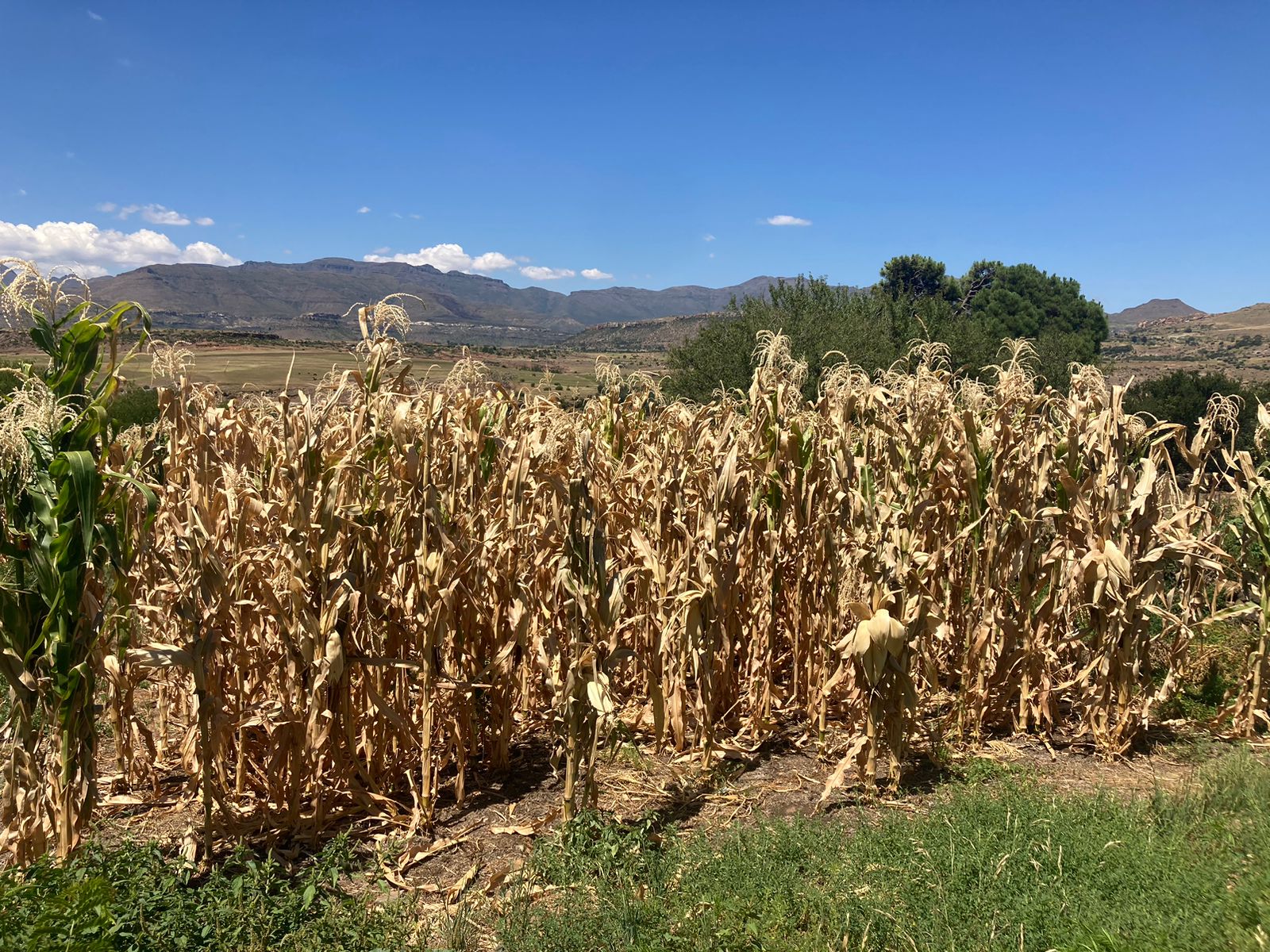
As temperatures soar and crops fail, eastern and southern Africa face a severe surge in malnutrition. “When crops fail, there is not enough food. Children start losing weight, and some never recover. Their growth can be stunted for life,” Lepeli warns.
He said expectant mothers face compounding dangers. Pregnancy is a physiological stress test, and dehydration can set in quickly when mothers must walk miles in the heat to reach a clinic or find food. Unbearable heat and caregiving duties often cause women to skip antenatal visits, leading to home births without trained midwives and dangerously delayed emergency care.
Lepeli warned that, the crisis extends beyond physical health. Water scarcity and contamination pave the way for outbreaks of cholera, diarrhea, and malaria, while families under economic stress may experience rises in gender-based violence and child marriages as desperate measures to reduce household burdens.
To combat these intersecting crises, the new UN framework provides governments with a concrete tool, a unified set of priority indicators across four key domains to track and respond to climate-health impacts including, Routine Monitoring of MNCH: Tracking facility-based metrics such as preterm births, outpatient attendance, pregnancy hypertension, late stillbirths, low birth weight (<2500 g), under-five facility mortality, and primary school attendance.
Public Health and Surveillance: Monitoring mortality rates and emergency room visits disaggregated by age and sex.
Climate and Health Integration: Ensuring ministries of health include maternal, newborn, and child health (MNCH) in climate task forces, vulnerability assessments, early warning distribution, and health worker training.
Heat Exposure Data: Utilizing baseline measures including air temperature, the Heat Index, the Universal Thermal Climate Index (UTCI), and Wet-Bulb Globe Temperature (WBGT).
As Dr Pascale Allotey, Director of WHO’s Department of Sexual, Reproductive, Maternal, Child and Adolescent Health and Ageing, emphasizes, “What health systems do not count, they cannot respond to. By tracking outcomes such as preterm birth, child deaths and illnesses, and health-facility visits alongside heat exposure, countries can identify potential impacts and take action.”
WHO notes that El Niño acts as a risk modifier, amplifying dangers wherever climate anomalies coincide with weak health systems, low population immunity, and poor access to care.
Echoing these findings, Lepeli calls for immediate, proactive intervention, including robust early warning systems, reinforced health infrastructure, secure access to clean water, and community-level support for women and children.
“We must act before the next disaster stellar strikes,” Lepeli urges. “Every child’s life, every mother’s health, should matter. El Niño’s impact is not inevitable; it is a call to action.”
Summary
The World Health Organization (WHO), the World Meteorological Organization (WMO), UNICEF, and the United Nations Population Fund (UNFPA) have jointly launched a first-of-its-kind monitoring framework to track the escalating health threats that extreme heat and climate disruptions pose to pregnant women, newborns, and children.
Studies underscore these fears, exposure to extreme heat is linked to a 26 percent increase in the odds of preterm birth, and infants under one year old experienced 389 percent more heatwave days in 2024 compared to the baseline period between 1986 and 2005.
A major new study published in Nature Communications reveals that when mothers are exposed to El Niño-like conditions during and before pregnancy, the risk of their children dying before the age of five rises dramatically by up to 48 percent compared to normal years.
Ntsoaki Motaung is an award-winning health journalist from Lesotho, specializing in community health stories with a focus on sexual and reproductive health and rights, as well as HIV. She has contributed to platforms like “Be in the KNOW,” highlighting issues such as the exclusion of people with disabilities from HIV prevention efforts in Lesotho.
In addition to her journalism, Ntsoaki serves as the Country Coordinator for the Regional Media Action Plan Support Network (REMAPSEN). She is also a 2023 CPHIA Journalism Fellow.
To ensure optimal experiences, we utilize technologies such as cookies to store and/or access information from your device. Granting consent to these technologies enables us to process data, including browsing habits or unique identifiers on this website. Conversely, not consenting or revoking consent may negatively impact specific features and functionalities.
Functional
Always active
The technical storage or access is strictly necessary for the legitimate purpose of enabling the use of a specific service explicitly requested by the subscriber or user, or for the sole purpose of carrying out the transmission of a communication over an electronic communications network.
Preferences
The technical storage or access is necessary for the legitimate purpose of storing preferences that are not requested by the subscriber or user.
Statistics
The technical storage or access that is used exclusively for statistical purposes.The technical storage or access that is used exclusively for anonymous statistical purposes. Without a subpoena, voluntary compliance on the part of your Internet Service Provider, or additional records from a third party, information stored or retrieved for this purpose alone cannot usually be used to identify you.
Marketing
The technical storage or access is required to create user profiles to send advertising, or to track the user on a website or across several websites for similar marketing purposes.