
Johannesburg, South Africa – As the sun rises over Ha-Tšosane, the community faces a dilemma that goes beyond piles of waste and the looming question of closure.
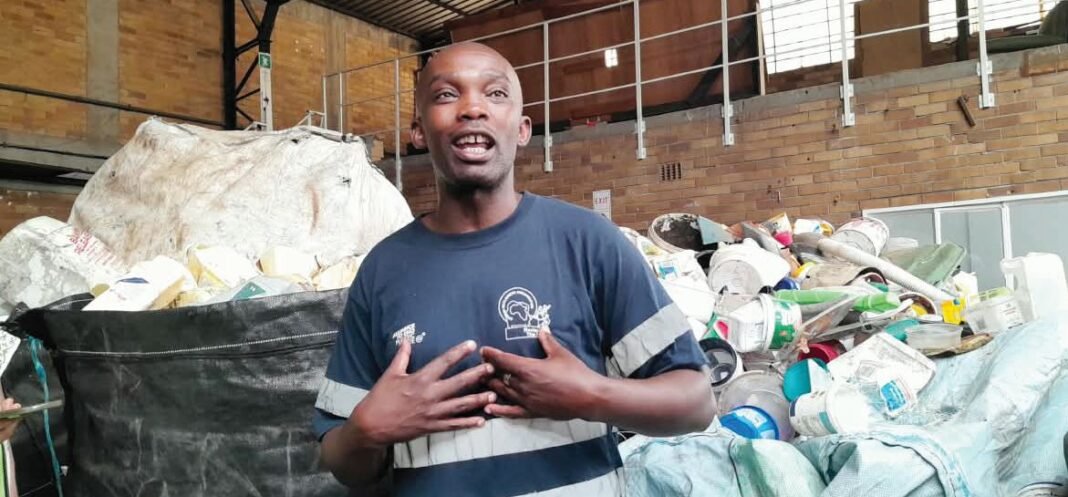
For Luyanda Hlatshwayo of the African Reclaimers Organisation (ARO), the real challenge is not simply shutting down a notorious dump site, but reimagining how Lesotho handles waste and, more importantly, how the people who depend on it for survival are included in that vision.
“Too often, we overlook the invisible people who have been solving our waste problems for decades,” Hlatshwayo said, referring to the informal pickers who sift through Maseru’s refuse to find scraps they can sell.
“When change comes, we must ensure they are not left behind.”
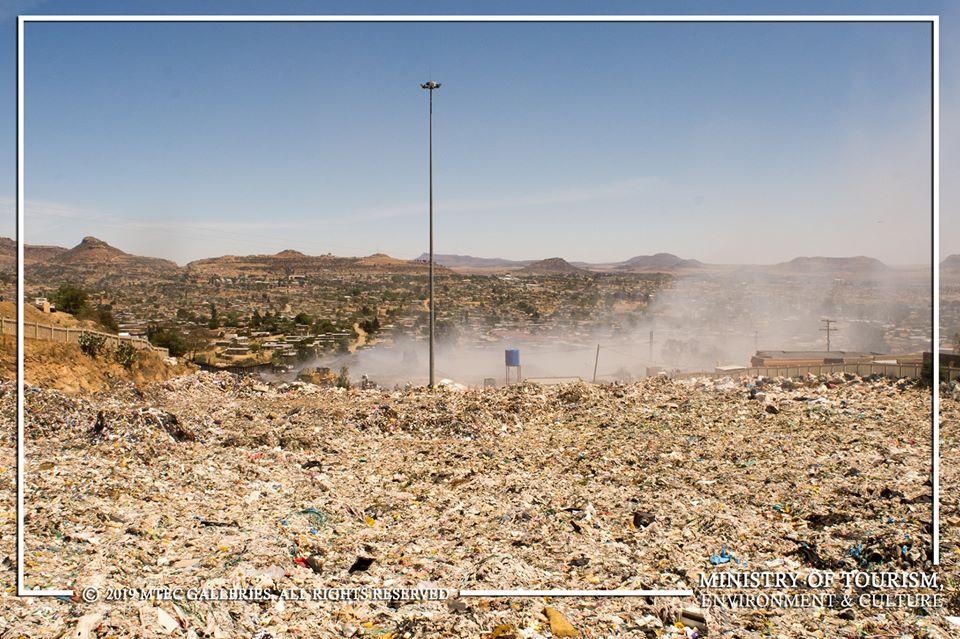
The Ha-Tšosane dump site, nestled alarmingly close to family homes, symbolises both a public health crisis and a lifeline for hundreds of men, women, and children.
Methane leaks, the risk of fire, and pollution threaten the community’s well-being, studies by health experts link such sites to respiratory illnesses, contaminated water, and barren soil.
“One container leaking into the ground can ruin it for years. Now imagine the impact of decades of dumping,” Hlatshwayo warned.
Yet, amid calls for safer, more sustainable waste management, the livelihoods of the dump’s workers hang in the balance. ’Mamolupe Pulumane, a veteran picker, fears the loss of her only income.
“We appeal to the government not to take away our only source of survival without providing alternatives,” she pleaded.
For Hlatshwayo, the solution lies in integrating the informal sector into the country’s waste management reforms. “All over the world, it is the informal sector that kept cities clean,” he says.
“As Lesotho looks to new models, let us not forget those who have been subsidising our environment for forty years.”
Hlatshwayo encourages Lesotho to learn from successful projects across Africa and beyond, urging the country to prioritise waste diversion at the household level before materials ever reach landfills.
“It is not about hiring foreign companies to do it for us. It is about empowering local communities, involving waste pickers, producers, environmental departments, and private sector partners to work together. When everyone is at the table, we can create solutions that benefit both people and the environment,” he explained.
He urges policymakers to formalise the role of waste pickers, integrating them into municipal systems and recognising their contribution through legal protections and support.
“When it is regulated, when you have it in writing, then we can hold everyone accountable. That is how you build a system that works for everyone,” Hlatshwayo said.
With government officials preparing to visit South Africa for inspiration, the spotlight turns to how Lesotho can build a system that improves public health and sustains livelihoods. For the people of Ha-Tšosane, the future is uncertain but with the right approach, it could also be transformative.
Summary
- Johannesburg, South Africa – As the sun rises over Ha-Tšosane, the community faces a dilemma that goes beyond piles of waste and the looming question of closure.
- For Luyanda Hlatshwayo of the African Reclaimers Organisation (ARO), the real challenge is not simply shutting down a notorious dump site, but reimagining how Lesotho handles waste and, more importantly, how the people who depend on it for survival are included in that vision.
- The Ha-Tšosane dump site, nestled alarmingly close to family homes, symbolises both a public health crisis and a lifeline for hundreds of men, women, and children.
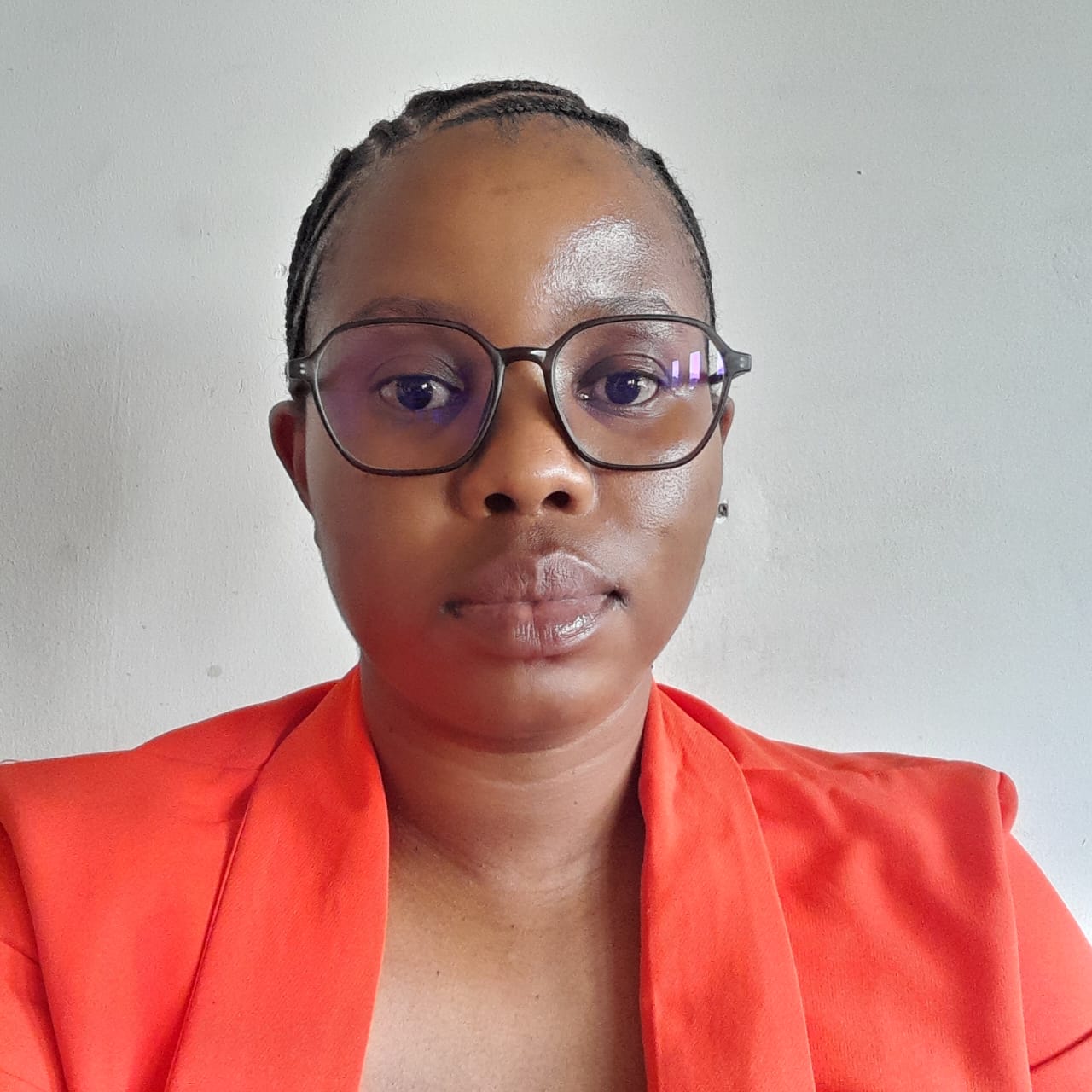
Ntsoaki Motaung is an award-winning health journalist from Lesotho, specializing in community health stories with a focus on sexual and reproductive health and rights, as well as HIV. She has contributed to platforms like “Be in the KNOW,” highlighting issues such as the exclusion of people with disabilities from HIV prevention efforts in Lesotho.
In addition to her journalism, Ntsoaki serves as the Country Coordinator for the Regional Media Action Plan Support Network (REMAPSEN). She is also a 2023 CPHIA Journalism Fellow.