
Ntsoaki Motaung and Thoboloko Ntšonyane
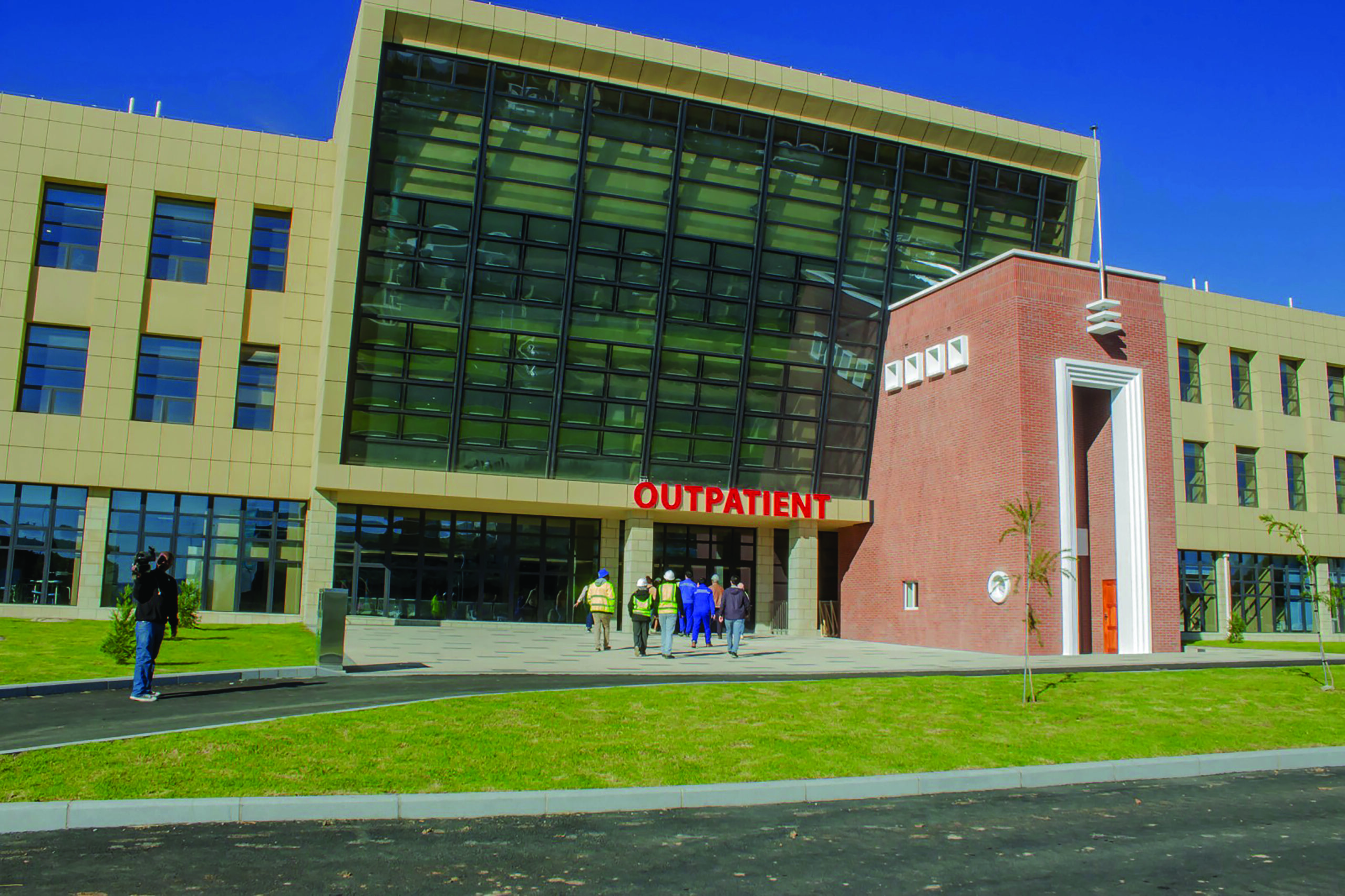
Construction of a new bio waste incinerator has been completed at Lepereng in Sankatana, offering Maseru District Hospital a long-awaited solution to its mounting medical waste problem.
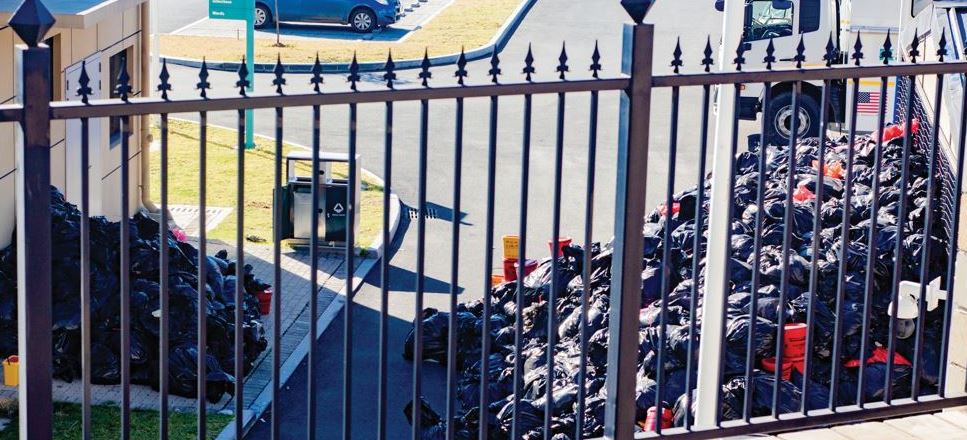
The development comes after Newsday reported that dangerous medical waste was piling up at the hospital, sparking public concern. The Chairman of the Social Cluster Portfolio Committee, Mokhothu Makhalanyane, confirmed the new incinerator’s completion.
The move follows a separate intervention on August 19, 2026, when the Global Fund donated 10 vehicles to the Ministry of Health to help transport medical waste from hospitals across Lesotho.
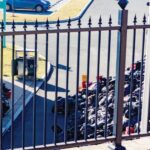
Behind the hospital’s mortuary, piles of used bandages, syringes, needles, placentas and other potentially infectious bio waste had been accumulating for months, drawing growing concern from members of the public and scrutiny from various media houses over an issue that could no longer be hidden from passersby.
Hospital spokesperson Kekeletso Motanyane acknowledged the incinerator’s absence had been a problem, saying collections were being made at least three times a day but that the sheer volume of medical and bio waste generated daily meant it kept piling up regardless.
She told this publication that in the meantime, waste had been transported to other hospitals with working incinerators, including Scott Hospital in Morija and St Joseph’s Hospital in Roma, and at times as far as Quthing, to be burned.
Despite the new incinerator, questions remain over whether the intervention goes far enough. Molumaela Lepeli, a public health specialist, nurse educator and PhD candidate, does not believe that supplying waste-carrying vehicles alone is a real solution to the broader medical waste crisis.
He argued the donors of the vehicles should instead have invested in building incinerators at all government-owned district hospitals.
He explained; “This is because most hospitals do not have working incinerators, and those that are working are not fully functional or properly serviced. Instead of the 10 cars, they could have provided incinerators and mini-incinerators to the clinics. Without incinerators the problem of medical waste will still continue.”
Lepeli further believes that diesel consumption will increase, costing the government even more money than they would save if there were no waste being transported.
Motanyane echoed similar concerns about the strain of transporting waste between facilities.
“Even in cases where waste from other hospitals is taken to another hospital because their incinerator is not working, the diesel consumption at the hospital receiving the waste will increase, resulting in a financial burden.
“We all know it will become the problem of the affected hospital, because in government, no money can be diverted from one institution to the next,” Motanyane said.
She pointed out that when one hospital’s incinerator is not working and its waste is taken elsewhere, the receiving incinerator becomes overworked, causing it to underperform and eventually break down as its capacity is stretched.
“It is not only the incinerator that will be overworked, but also the staff of such a hospital,” “They will need to keep up with the extra pile of waste they have to burn,” Lepeli added.
The wider problem is not unique to Maseru. Lepeli further noted that Botha Bothe Hospital has struggled with medical waste and water issues for a long time.
“That is why I am saying that instead of so many cars, an incinerator could have been provided for hospitals like Botha Bothe. The hospital has an old incinerator that always has issues and has become a problem,” he said.
He also revealed that Motebang Hospital’s incinerator broke down despite being new.
“It was still new when it broke down. This is because the person who operated it was not trained on how to use it properly. They were not trained because there were no funds for training. Besides that, it broke down because it already faced a large backlog of accumulated waste, so it was overworked,” he explained.
Lepeli stressed that most government hospital incinerators need to be replaced.
“If they are replaced, a lot of money will be saved, unlike at the moment where a lot of it goes to repairing them because they keep breaking down. Especially because specialists for such work are sourced from other countries at high cost. If we have new incinerators, we will only need to service them for a long time and save money.”
He added; “Operators also need training on minor servicing of the incinerators to avoid calling a specialist every time there is a small problem.”
Beyond Maseru’s new incinerator, this paper’s investigation established that the Ministry of Health has no immediate plans to build further incinerators elsewhere. Even for the current 2026/2027 financial year, no provision has been made for one.
‘Mateboho Mosebekoa, the Public Relations Officer of the Ministry of Health, previously could not say when or why hospitals lacking incinerators had gone without one, instead questioning how bio waste had been disposed of since the hospitals handover to the government by the People’s Republic of China in June 2024.
Minister of Health ‘Mamokete Ntšekhe also could not commit to a timeline for building further incinerators but acknowledged it remains a concern. She previously said the Ministry is planning to engage development partners to request assistance with incinerator construction.
Meanwhile, a separate investigation by the Ombudsman and the Ministry of Health found broader problems in how healthcare waste is managed nationally. Environmental Health Inspectors, tasked with ensuring hospitals follow disposal rules, face significant challenges: there are too few inspectors, and those in the field lack adequate protective gloves, boots and masks.
Many inspectors and waste pickers risk injury from needles and other sharp items that are often carelessly discarded at dumpsites.
The investigation traced the problem back to hospitals themselves, where staff sometimes fail to place needles and hazardous waste in the correct containers, a gap worsened by insufficient training and unclear rules at the local level.
Some hospital workers, the investigation found, do not know how to separate dangerous waste from ordinary waste, making safe disposal even harder. While regulations for handling medical waste exist, compliance is inconsistent and penalties for violations are rarely enforced.
Summary
- She told this publication that in the meantime, waste had been transported to other hospitals with working incinerators, including Scott Hospital in Morija and St Joseph’s Hospital in Roma, and at times as far as Quthing, to be burned.
- “Even in cases where waste from other hospitals is taken to another hospital because their incinerator is not working, the diesel consumption at the hospital receiving the waste will increase, resulting in a financial burden.
- “It is not only the incinerator that will be overworked, but also the staff of such a hospital,” “They will need to keep up with the extra pile of waste they have to burn,” Lepeli added.

Welcome to Newsday Media – Your Trusted Source for News and Insights in Lesotho!
At Newsday Media, we are passionate about delivering accurate, timely, and engaging news and multimedia content to our diverse audience. Founded with the vision of revolutionizing the media landscape in Lesotho, we have grown into a leading hybrid media company that blends traditional journalism with innovative digital platforms.
Our mission is simple: to inform, inspire, and empower our readers by providing comprehensive coverage of local and global events, current affairs, and cultural happenings. Whether you’re looking for breaking news, in-depth analysis, or captivating storytelling, Newsday Media is your go-to destination for all things news-related.
With a dedicated team of journalists, editors, and multimedia experts, we are committed to upholding the highest standards of journalistic integrity and professionalism. We pride ourselves on delivering content that not only informs but also sparks conversation, fosters understanding, and drives positive change in our society.
From our flagship newspaper to our dynamic digital platforms, we offer a wide range of multimedia content to cater to the diverse interests and preferences of our audience. Whether you prefer to stay informed through print, online articles, videos, or podcasts, Newsday Media has something for everyone.
We believe in the power of storytelling to connect people, bridge divides, and inspire action. That’s why we’re dedicated to providing a platform for voices from all walks of life, championing diversity, inclusion, and authenticity in everything we do.
Thank you for visiting Newsday Media. We invite you to explore our website, engage with our content, and join us on our journey to inform, inspire, and empower our community. Together, let’s shape the future of media in Lesotho.