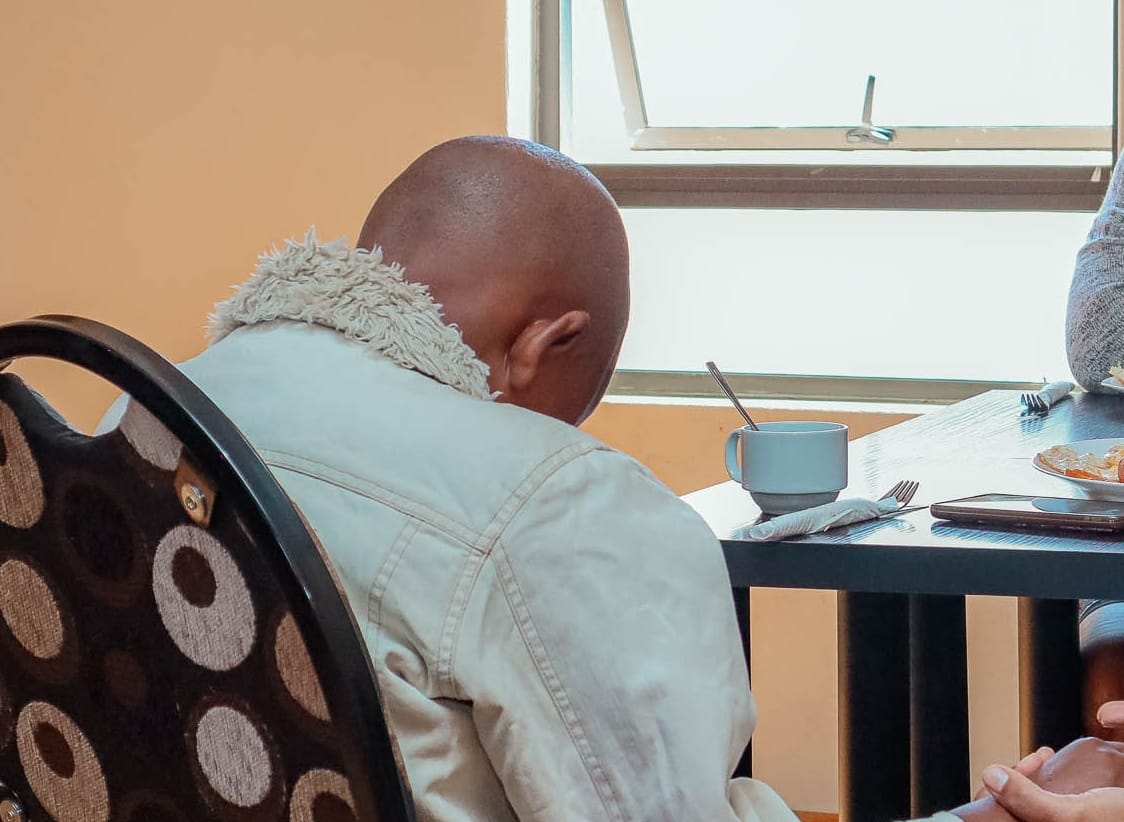

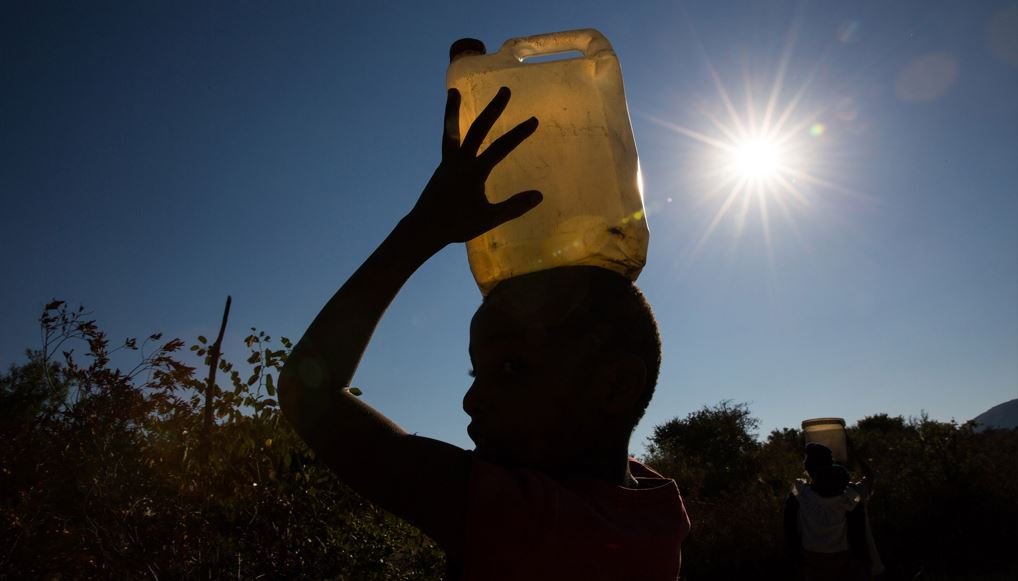
As the world gets hotter, parents and guardians face a new and growing threat to their children’s health, extreme heat.
Public health specialists are sounding the alarm, urging families to pay close attention to how rising temperatures can harm children especially those under five years old.
‘Mamonica Mokhesi Mak’hozonke, a public health specialist, has warned that extreme heat and soaring temperatures are already sending more children to health facilities with dangerously high fevers.
“Now that the weather temperatures are going up and are becoming extreme, we are going to have healthy born children whom, as time goes, will end up with disabilities,” she said.
According to Mak’hozonke, when a child’s body overheats, it is not just uncomfortable, it can be life-threatening.
“We already see problems as health professionals, so we want to raise awareness because when we talk about children being badly impacted, it appears as if we are talking about something far from happening. But this is already here,” she cautioned.
Why are children more at risk?
According to Prof. Sibusiso Mkwananzi from the Wits RHI Climate & Health Programme, Children, especially infants and those under five, are more vulnerable to extreme heat than adults. Their bodies are smaller, and they cannot regulate their temperature as well. When temperatures soar, children’s bodies can heat up much faster, making them more likely to suffer heat-related illnesses.
The United Nations Children’s Fund (UNICEF) highlights in its report “Climate Change and Children: Heatwaves” that a third of the world’s children already experience four to five heatwaves per year. By 2050, nearly every child on earth, about 2.2 billion will face frequent heatwaves and higher risks from extreme temperatures.
Health experts warn that, extreme heat does not just mean feeling hot, it can have serious effects on children’s health, mental well-being, education, and even nutrition. Babies and young children are at the highest risk of heat-related illness and death. Adolescents, too, are not spared, they can suffer from heat exhaustion, dehydration, and other heat-related injuries.
What happens to children’s bodies in extreme heat?
Heat stress happens when the body cannot cool itself fast enough. For children, this can lead to a rapid rise in body temperature. If not managed quickly, high temperatures can cause permanent disability or even death.
Mak’hozonke explained, “When a parent sees a temperature above 37.5 degrees Celsius, they should prepare and go to a health facility. And if the temperature is above 38, they need to rush to the hospital. At that stage, the child’s life is at higher risk.”
She strongly advised parents not to rely on home remedies or simple medications like paracetamol alone. “Administering medication at home does not mean the problem that caused the high temperature is gone. Parents must seek professional help, especially during extreme heat because micro-organisms are also stronger at this time.”
“Children may end up with Cerebral Palsy, where they lose the ability to walk, talk, or sit. Their muscles may become weak, or they can become blind or deaf, depending on which part of the brain is damaged. Some may not leave the hospital alive,” she explained.
Mkwananzi adds that heat stress can lead to heat stroke, dehydration, diarrhoea, kidney failure, and even lifelong disabilities.
How climate change is making things worse
Global warming is not just a distant threat, it is already here. Climate change is driving more frequent and intense heatwaves, making hot days hotter and lasting longer.
According to the Lancet Countdown on Health and Climate Change, children in many parts of the world now face extended periods of extreme temperatures.
UNICEF’s report lists several conditions that count as extreme heat for children, temperatures over 35°C for at least 83 days per year, heatwaves lasting 4.7 days or more and temperatures 2°C or more above the local 15-day average
This means many children now spend much of the year exposed to dangerous heat, increasing their risk of illness, missed school days, and poor nutrition.
Warning signs: What should parents look out for?
According to the reports, it is vital for parents and guardians to know the signs of heat-related illness in children. Some common warning signs include, high fever (above 37.5°C), fast breathing or trouble breathing, unusual tiredness or sleepiness, flushed, hot, or dry skin, vomiting or diarrhea, no tears when crying or a dry mouth (signs of dehydration) and seizures.
If a child shows any of these symptoms, especially during hot weather, parents must act quickly.
“Do not wait at home. Take the child to a health facility immediately. Delaying can cause permanent damage or death,” urged Mak’hozonke
What should parents and guardians do according to Mak’hozonke?
Do:
- Keep children cool: Dress them in light, loose clothing. Keep them in the shade or indoors during the hottest parts of the day.
- Hydrate often: Give children plenty of water and breast milk to prevent dehydration.
- Monitor temperature: Use a digital thermometer to check your child’s temperature regularly during hot days.
- Act on fever: If your child’s temperature goes above 37.5°C, prepare to visit a health facility. If it’s above 38°C, seek immediate medical care.
- Watch for symptoms: Pay attention to any signs of heat stress or illness.
Don’t:
- Don’t ignore a fever: Never assume a high temperature will go away on its own.
- Don’t rely only on medicine: Giving medicines like paracetamol might lower the fever for a short time but does not solve the underlying problem.
- Don’t leave children in hot vehicles or rooms: Cars and poorly ventilated spaces can become deadly very quickly.
- Don’t wait too long: If your child seems very sick, go to the hospital right away. Minutes can make a difference.
“As the heat becomes extreme, parents have no room for a mistake. If you make a mistake in this extreme heat, you are going to be punished. This is not something to take lightly,” she stressed.
What can communities and policymakers do?
Heatwaves and extreme heat are a public health issue, not just a family problem. UNICEF calls for urgent action by governments and communities to, provide public cooling spaces, especially for children and the elderly, improve early warning systems for heatwaves, promote education about the dangers of extreme heat and ensure health facilities are equipped to deal with heat-related illnesses
Meanwhile the Lesotho Meteorological Services (LMS) has warned of hot to very hot temperature that can be expected from Wednesday 11th until Friday 13th. On the same note, World Meteorological Organization (WMO), reports that, the state of the global climate in 2026 has given a whole new meaning to “off the charts”.
2026 is on track to be one of four warmest years on record. It is streak of exceptional global temperatures, melting ice and rising sea levels continues, with a very strong El Niño set to unleash even more heat and extreme weather well into 2027.
The key messages from the WMO include that, 2026 will be one of four warmest years on record, El Niño turns up the heat and multiplies risks, Sea level and ocean heat are at record high levels, Extreme weather has massive economic and human cost and Forecasts and warnings, underpinned by sustained observations, are vital.
Summary
- As the world gets hotter, parents and guardians face a new and growing threat to their children’s health, extreme heat.
- ‘Mamonica Mokhesi Mak’hozonke, a public health specialist, has warned that extreme heat and soaring temperatures are already sending more children to health facilities with dangerously high fevers.
- According to the Lancet Countdown on Health and Climate Change, children in many parts of the world now face extended periods of extreme temperatures.

Ntsoaki Motaung is an award-winning health journalist from Lesotho, specializing in community health stories with a focus on sexual and reproductive health and rights, as well as HIV. She has contributed to platforms like “Be in the KNOW,” highlighting issues such as the exclusion of people with disabilities from HIV prevention efforts in Lesotho.
In addition to her journalism, Ntsoaki serves as the Country Coordinator for the Regional Media Action Plan Support Network (REMAPSEN). She is also a 2023 CPHIA Journalism Fellow.