

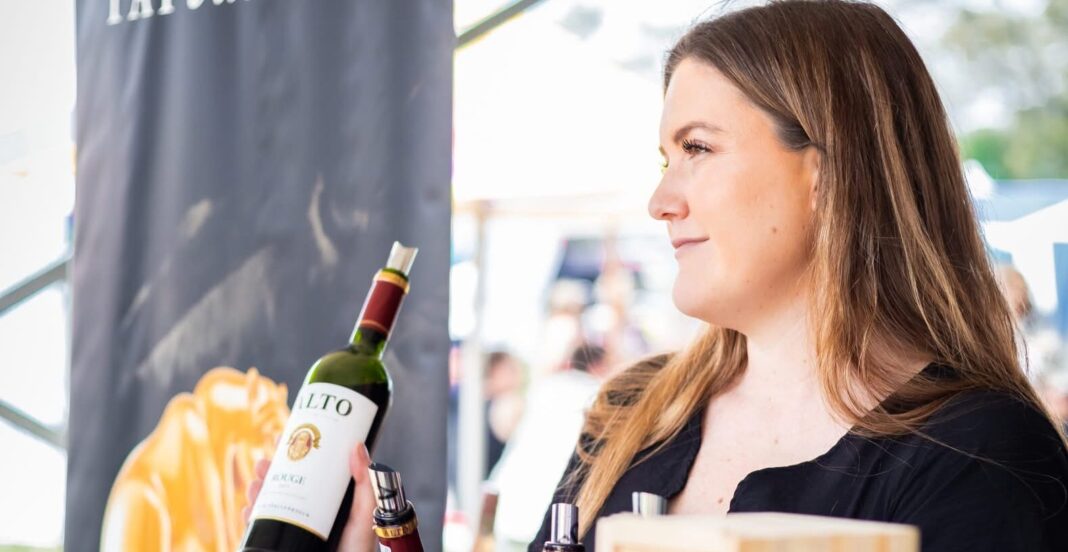
What began 13 years ago as a small gathering of fewer than 100 wine enthusiasts has grown into one of Lesotho’s most anticipated lifestyle and hospitality events, with the Lesotho Wine Festival preparing for another major edition this year.
Founded by wine industry veteran Paulo Feliciano De Freitas, the festival started at the then Maseru Cabanas with just eight wine producers. Today, De Freitas says the event has grown to feature 52 wine farms and more than 380 wines, attracting wine enthusiasts, corporate executives, food lovers and people simply looking to discover the world of wine.
The festival has also entered a new chapter this year, moving to the larger Part of Maseru Club grounds, with organisers maintaining attendance at around 1,000 guests despite the expanded venue.
For De Freitas, the origins of the festival are closely linked to his family’s long-standing involvement in the wine business.
“My family business has been in the wine industry for the last 40 years,” he explains, adding that he has personally been involved in the industry for more than two decades.
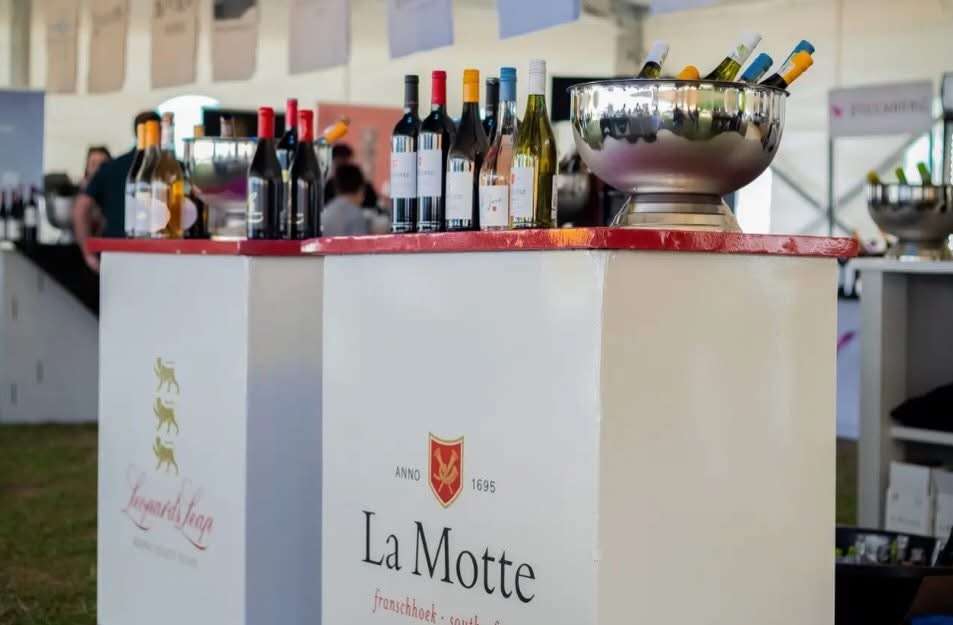
The idea behind the festival was born from De Freitas’ relationships with wine producers in the Western Cape. Many of these producers would visit Lesotho to see him and taste wines with his customers, creating an opportunity to bring them together with a wider audience.
“We decided to invite a couple of friends down to do a little bit of a trip, but at the same time present some of their wines,” he says.
The concept proved successful, and what began as an intimate tasting experience steadily expanded.
De Freitas attributes much of the festival’s longevity to the community built around his wine business, including customers, hotels, restaurants and the broader corporate community.
He describes the festival as a way of giving back to customers who have supported the business over the years.
The event has also developed into an important corporate networking platform. Rather than positioning itself as a conventional entertainment event dominated by loud music, the festival focuses on creating an environment where people can eat, taste wine, socialise and conduct business.
“We don’t play loud music. We don’t try and cram everybody into uncomfortable spaces,” De Freitas says.
This year, the organisers are retaining the 1,000-guest capacity despite having access to a larger venue. The event will include different hospitality spaces, including an FNB marquee accommodating approximately 400 guests, a VIP section for about 600 guests and a smaller regular area.
A new addition this year will be a Moët & Chandon lounge, alongside the launch of what De Freitas describes as a first for Africa — a limited-edition Moët & Chandon Ice bottle experience.
The festival will also put considerable emphasis on food and live entertainment.
Working with local chef Joba of Cater Care, organisers are preparing a gourmet experience featuring harvest tables from midday followed by a four-course offering, with the full menu to be released ahead of the event.
The entertainment programme is also being reshaped. Instead of relying heavily on DJs, organisers have opted to focus on live performances, with around eight local live acts expected to perform alongside two international artists.
For wine newcomers, De Freitas believes the festival offers an opportunity to discover and develop their own appreciation for wine without feeling intimidated by the expertise associated with the industry.
With wines from close to ten countries and more than 100 varieties represented, guests can explore different styles while interacting directly with the people who produce them.
“You get to meet the people that make the wine and tell you their story,” he says.
At the same time, the festival’s appeal extends beyond wine.
This year, FNB Lesotho is supporting approximately 30 arts and crafts vendors by covering their vendor fees, creating a platform for local entrepreneurs to showcase their work to festivalgoers.
De Freitas says the organisers are also working to create opportunities for local artists and craftspeople beyond the festival itself, including through an online store and support for participation in other events.
Perhaps one of the most significant, but less visible, contributions of the festival is employment.
According to De Freitas, approximately 550 people are employed during the week of the event, covering various aspects of production and service delivery.
For him, this is central to the festival’s long-term purpose.
He wants the event to demonstrate to young Basotho that hospitality and tourism can provide meaningful careers rather than being viewed simply as temporary employment.
“The festival is a lifestyle event and it’s all about hospitality,” he says.
“We’re just trying to set a higher standard for everybody to show them that you can make a living out of this.”
However, staging an event of this scale in Lesotho is not without challenges.
De Freitas says one of the biggest difficulties is finding local service providers with sufficient capacity to handle a large-scale event. He also identifies the movement of goods through the country’s borders as a major challenge for businesses.
Despite these obstacles, the festival continues to grow.
Its evolution from eight wine producers and fewer than 100 guests to 52 wine farms, hundreds of wines and hundreds of temporary jobs reflects not only the growth of the event itself, but also the potential De Freitas sees in Lesotho’s hospitality, tourism and lifestyle sectors.
And as the 13th edition approaches, his ambition extends beyond creating a successful annual wine event.
For De Freitas, the bigger objective is to demonstrate what is possible when hospitality is treated as a serious industry, one capable of creating careers, supporting entrepreneurs, attracting visitors and bringing people together.
The Lesotho Wine Festival, he believes, is ultimately about much more than wine.
It is about building an experience, creating opportunities and raising the standard of hospitality in Lesotho.
Summary
- “My family business has been in the wine industry for the last 40 years,” he explains, adding that he has personally been involved in the industry for more than two decades.
- “We decided to invite a couple of friends down to do a little bit of a trip, but at the same time present some of their wines,” he says.
- For wine newcomers, De Freitas believes the festival offers an opportunity to discover and develop their own appreciation for wine without feeling intimidated by the expertise associated with the industry.

A Professional Communications practitioner with a wealth of expertise in marketing, public speaking, communication and media relations. I believe in learning everyday and improving one’s personal and professional capabilities.
* A former journalist and radio host who is passionate about media and it’s impact on society.