

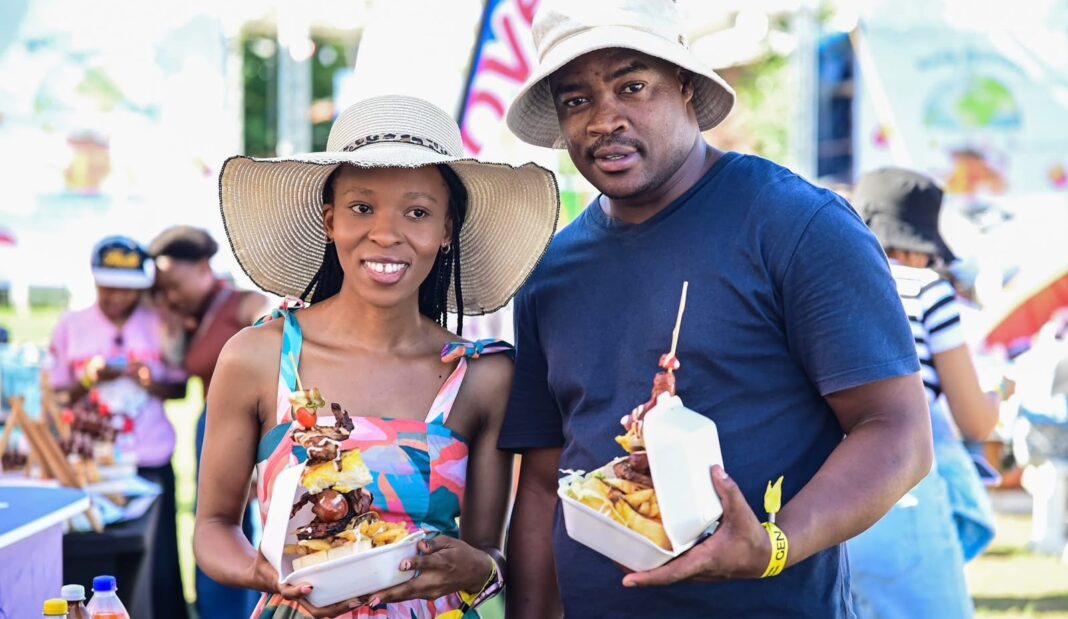
One of Southern Africa’s most recognisable street foods is set to take centre stage in Lesotho this December when the inaugural Lesotho Kota Festival brings food, music, entertainment and local enterprise to Thaba Bosiu Cultural Village for the fourth edition.
Scheduled for 5 December 2026, the 12-hour festival is expected to bring together food vendors, musicians, entrepreneurs, families and visitors from Lesotho and neighbouring countries for a celebration centred on the popular kota.
The kota, traditionally a hollowed-out quarter loaf filled with ingredients such as chips, polony, cheese, sauces and other toppings, has become a distinctive part of township and street-food culture in Southern Africa.
At the festival, organisers say visitors will be able to sample both traditional versions of the dish and more creative interpretations from participating vendors.
But organisers say the event is about more than food.
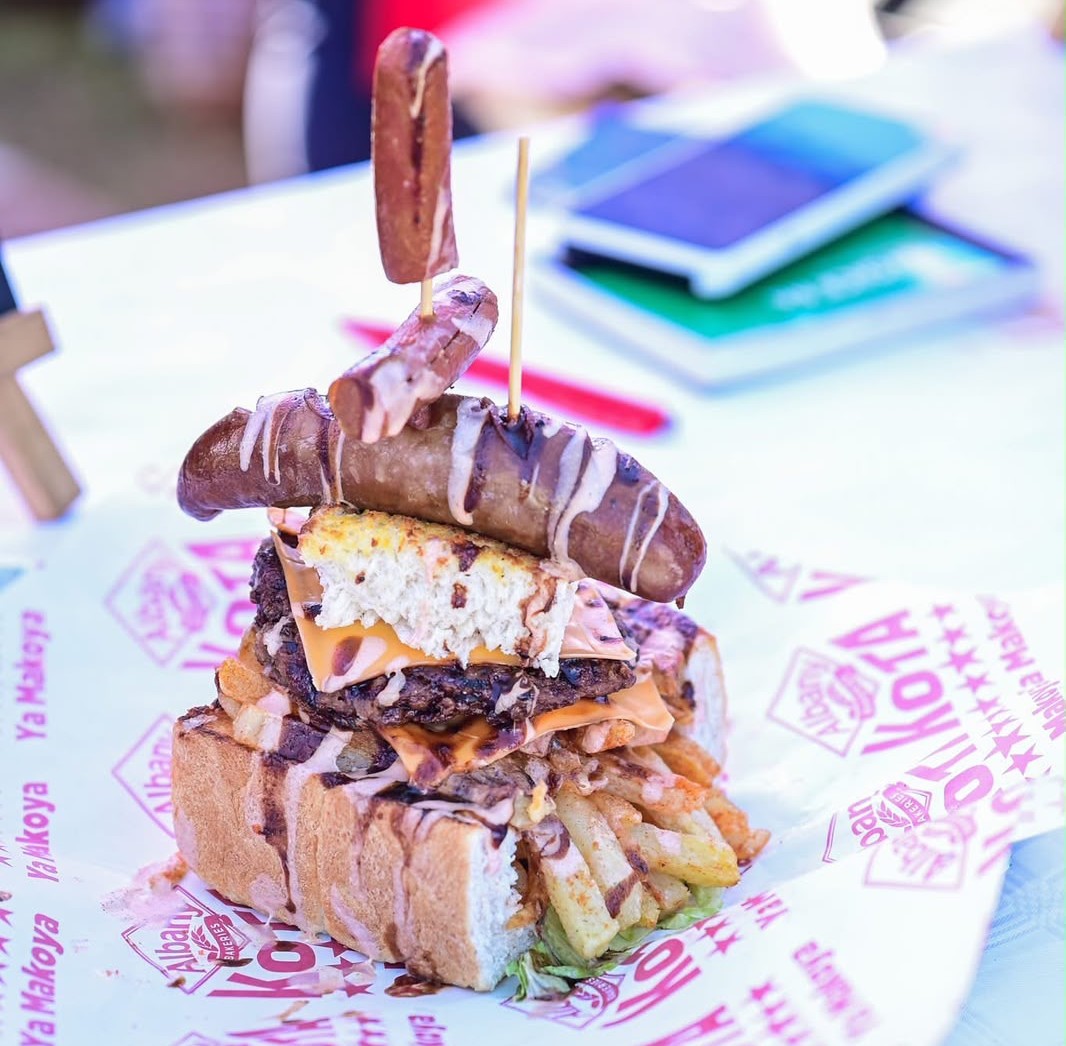
The kota, traditionally a hollowed-out quarter loaf filled with ingredients such as chips, polony, cheese, sauces and other toppings, has become a distinctive part of township and street-food culture in Southern Africa.
The programme will feature performances by South African artists including DJ Maphorisa, Emtee, Amanda Black and Mlindo The Vocalist, alongside Lesotho’s Litshepe LR and other performers.
The festival will also feature competitions with prizes, a showcase of local businesses, family-oriented activities and spaces designed to encourage food bloggers, photographers and content creators to document the event.
According to organisers, one of the festival’s key objectives is to create commercial opportunities for small and emerging businesses.
They say participating entrepreneurs will have an opportunity to market their products directly to consumers, build brand visibility and potentially attract new customers, while the wider event is intended to contribute to Lesotho’s food, tourism and creative economies.
“The Lesotho Kota Festival is where flavour meets culture and community,” said Innocent Mashinini, the festival’s marketing and PR specialist.
“We’re creating a space where people can connect, celebrate local talent, support small businesses, and enjoy one of Southern Africa’s most beloved street foods.”
The choice of venue also gives the festival a cultural dimension.
Thaba Bosiu Cultural Village is situated near the historic Thaba Bosiu mountain, the stronghold of King Moshoeshoe I and one of Lesotho’s most significant heritage sites. By staging the festival at the site, organisers are positioning the event at the intersection of food, entertainment, tourism and Basotho heritage.
Organisers say they want visitors to experience what they describe as “authentic Basotho hospitality”, while also attracting audiences from across Lesotho and the region.
With the kota at its centre, the festival will test whether a popular street-food concept can be transformed into a larger cultural and commercial platform for local entrepreneurs, artists and tourism stakeholders.
Summary
- One of Southern Africa’s most recognisable street foods is set to take centre stage in Lesotho this December when the inaugural Lesotho Kota Festival brings food, music, entertainment and local enterprise to Thaba Bosiu Cultural Village for the fourth edition.
- Scheduled for 5 December 2026, the 12-hour festival is expected to bring together food vendors, musicians, entrepreneurs, families and visitors from Lesotho and neighbouring countries for a celebration centred on the popular kota.
- With the kota at its centre, the festival will test whether a popular street-food concept can be transformed into a larger cultural and commercial platform for local entrepreneurs, artists and tourism stakeholders.

A Professional Communications practitioner with a wealth of expertise in marketing, public speaking, communication and media relations. I believe in learning everyday and improving one’s personal and professional capabilities.
* A former journalist and radio host who is passionate about media and it’s impact on society.