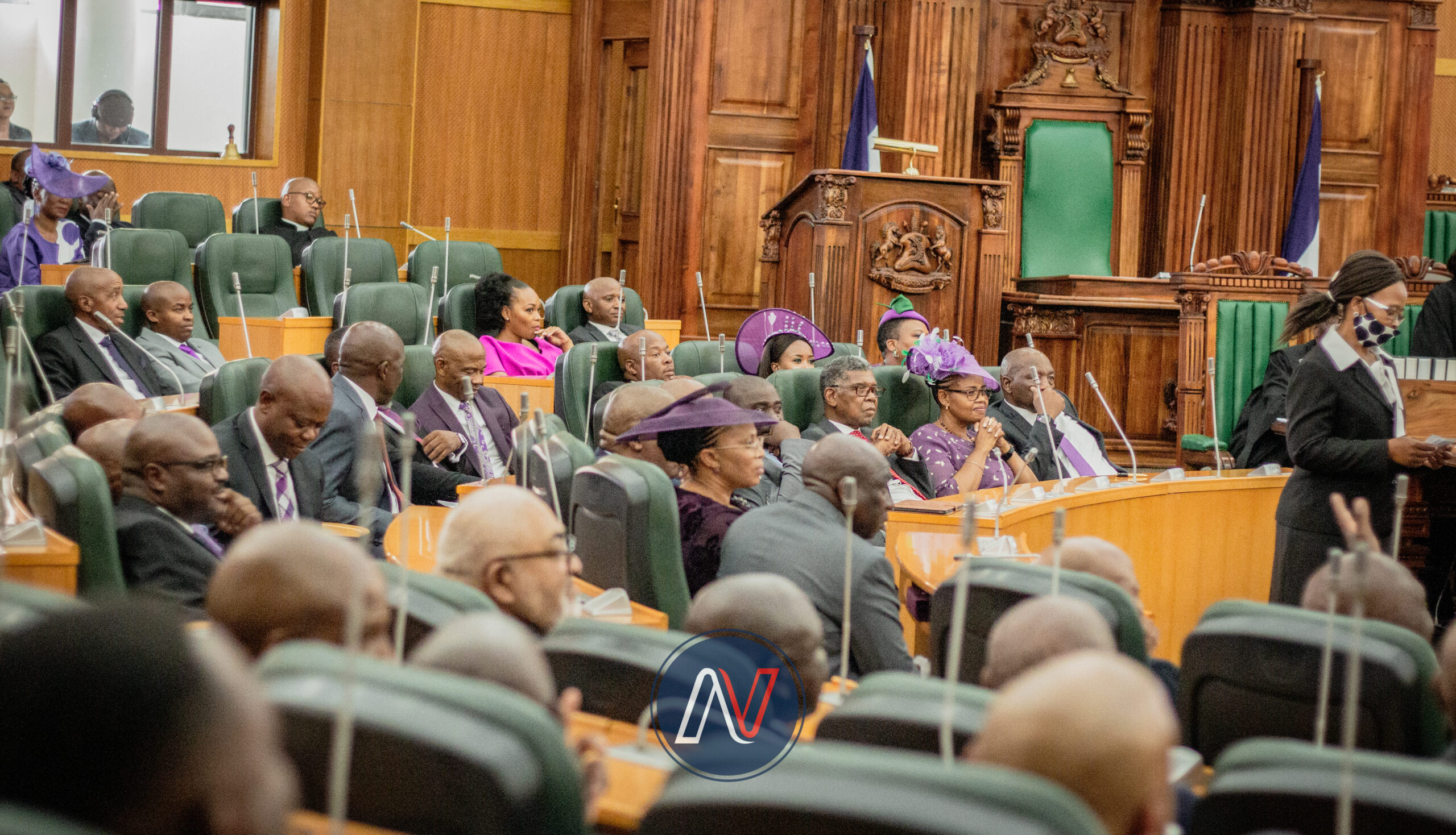

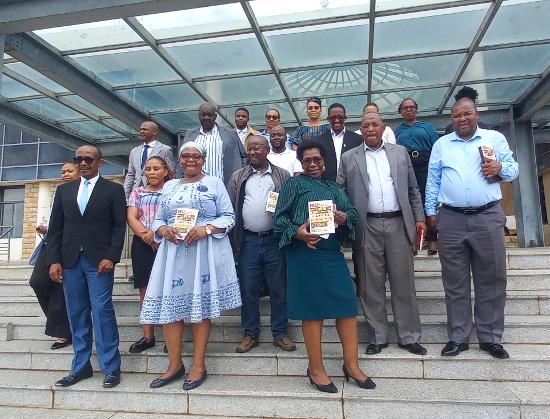
Members of Parliament (MPs) say Parliament must play an active role in human rights reporting and implementation, rather than remain a passive spectator.
They made the call during a training session on Lesotho’s human rights framework. The training was organised by the Southern African Development Community Parliamentary Forum (SADC-PF).
It brought together MPs from different portfolio committees. It stressed that legislators should be involved in every stage of the reporting process. This includes preparing reports, scrutinising government commitments, approving budgets and making sure laws are put into practice.
Bokang Lethula, from the Human Rights Unit at the Ministry of Justice and Law, explained the difference between the Bill of Rights and the Principles of State Policy in the Constitution. She said the rights in Chapter II are justiciable, which means people can seek relief in court. These include the rights to life, liberty and equality, and freedom from discrimination.
In contrast, the Principles of State Policy in Chapter III are not justiciable. They cover areas such as education, health, work and favourable working conditions. Lethula also spoke about direct discrimination and positive discrimination.
The Chairperson of Parliament’s Committee of Chairpersons, Mokhothu Makhalanyane, expressed concern about Lesotho’s poor performance in human rights surveys.
He highlighted the role that parliamentary committees can play. These include the Public Petitions Committee, the Committee of Assurances, which oversees government commitments, and the Budget Committee.
The training also looked at Lesotho’s obligations under international agreements. These include the Convention on the Elimination of All Forms of Discrimination against Women (CEDAW), the Convention on the Rights of Persons with Disabilities, the International Convention for the Protection of All Persons from Enforced Disappearance, and the Convention on the Rights of the Child.
Participants noted that the executive usually prepares and submits reports to United Nations treaty bodies and the Universal Periodic Review. However, they said Parliament has an important role in making sure these commitments lead to real action.
They said the Government does not engage Parliament enough, either before or after reporting. They called for reports to be shared with parliamentary committees for scrutiny. They also called on MPs to explain human rights standards and government obligations to their constituents.
Participants further recommended public hearings with civil society organisations and human rights bodies, to gather information from communities. They also proposed tracking the recommendations made by treaty bodies, including those under CEDAW.
They said parliamentary committees should summon ministries to explain delays in implementation, inaccurate data and failures to address violations. Legislators should also assess the cost of implementing human rights laws and meeting reporting obligations.
The training reviewed several laws: the Speedy Trial Courts Act 2002, the Sexual Offences Act 2003, the Local Government Elections (Amendment) Act 2004, the Legal Capacity of Married Persons Act 2006 and the Environment Act 2008. Lethula said these laws contain elements that respond to human rights concerns.
MP Everistus Ramakatsa said human rights issues cut across the work of all parliamentary committees. He added that Parliament’s role should not end with passing laws. It should also follow up to make sure they are implemented.
Another participant, Mamello Phooko, raised concerns about the rights of civil servants. She said some may work “under duress” and fear speaking up because they want to protect their jobs. She asked what could be done to protect workers in their workplaces.
Maimane Maphathe said similar training should be offered at different levels of government ministries. He said ministers and principal secretaries should have the knowledge needed to implement policies and laws effectively. He also said the training was useful but came late, as Parliament is nearing the end of its term and institutional memory risks being lost.
Remaketse Sehlabaka said Lesotho should develop and uphold principles that its people can take pride in. He also warned that funders may try to influence the country in line with their own interests.
Ramakatsa, who is also Chairperson of the Law and Public Safety Portfolio Committee, described the training as refreshing and an eye-opener. He said it drew attention to issues that had been overlooked, and called on public representatives to consider what action to take next.
Meanwhile, the Human Rights Commission was established under the Tenth Amendment to the Constitution, but it has not yet been put into operation. For now, human rights violations are dealt with by the courts and the Ombudsman’s office.
Summary
- Bokang Lethula, from the Human Rights Unit at the Ministry of Justice and Law, explained the difference between the Bill of Rights and the Principles of State Policy in the Constitution.
- These include the Convention on the Elimination of All Forms of Discrimination against Women (CEDAW), the Convention on the Rights of Persons with Disabilities, the International Convention for the Protection of All Persons from Enforced Disappearance, and the Convention on the Rights of the Child.
- the Speedy Trial Courts Act 2002, the Sexual Offences Act 2003, the Local Government Elections (Amendment) Act 2004, the Legal Capacity of Married Persons Act 2006 and the Environment Act 2008.
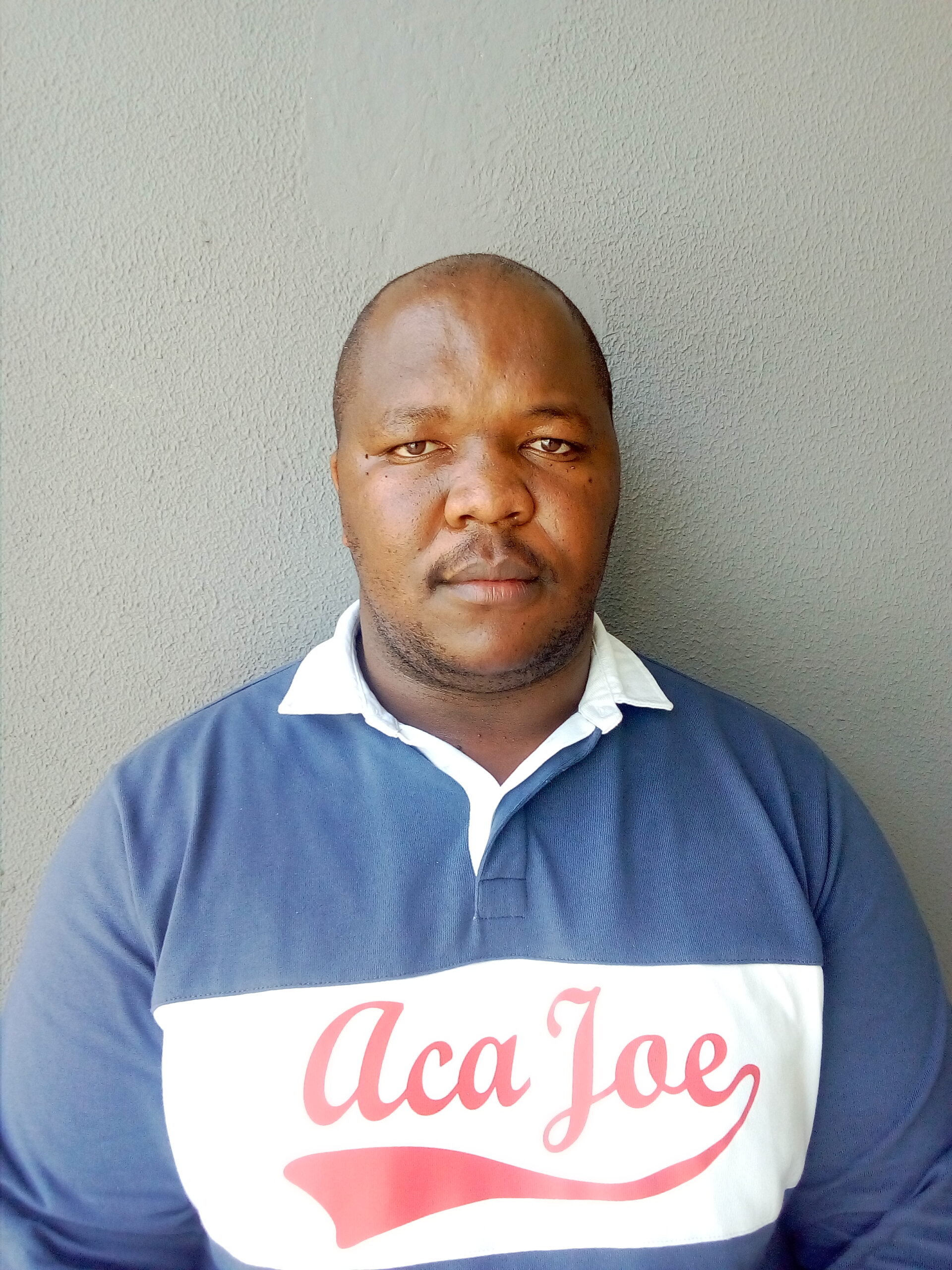
Thoboloko Ntšonyane is a dedicated journalist who has contributed to various publications. He reports on accountability, human rights, exposes corruption and wrong doing by those in power. He reports have exposed corruption, abuse of power, fraud, misconduct and negligence. He subscribes to evidence-based reporting. He reports on governance, parliament, courts, climate change, human rights, sexual and reproductive health rights (SRHR), health, business and agriculture. He gives a voice to the marginalised while also demanding accountability. His work inspires change, triggers dialogue and also promote transparency in a society.