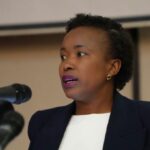

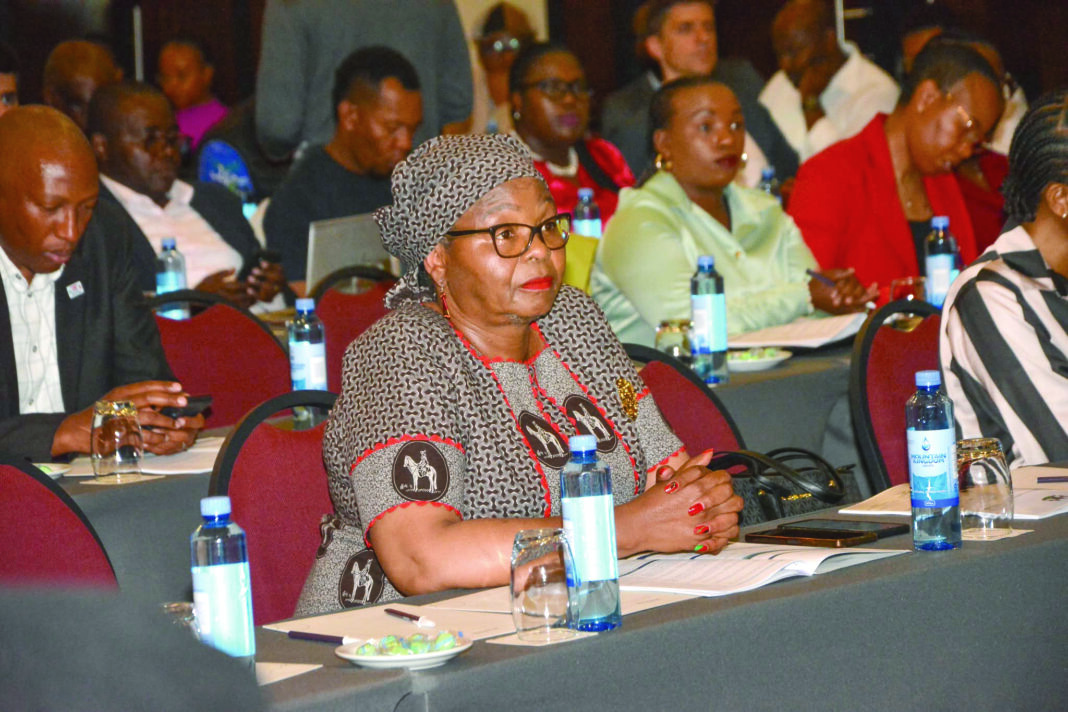
Member of Parliament Mamello Phooko made an impassioned plea at the 14th National Health Research Symposium, held under the theme “Advancing Universal Health Coverage,” for Lesotho’s HIV response to support male as well as female sex workers.
Her remarks came during a presentation of new research on the barriers and enablers to HIV prevention through Pre-Exposure Prophylaxis (PrEP) among sex workers in Maseru. As researcher ‘Matsopane Ramonotsi-Seconcoane presented findings that focused on female sex workers, Phooko stood to address what she saw as a significant oversight.
“This topic is so close to my heart. I feel for the girls. I feel for those women,” she said, her voice resonating with empathy. “But currently we still have male sex workers. The fact that we start concentrating on females, it is going to, I do not even know what to say.”
She paused, searching for words that would drive home her point. “At each station, there are female sex workers and there are male sex workers. So please, let us be objective,” Phooko continued, urging the room not to leave any group behind. “If we are talking about HIV risk, we must talk about everyone who is affected, not just the women. Male sex workers are also vulnerable and deserve our attention and care.”
Some in the audience nodded at her comments, while others responded with thoughtful silence. Phooko stressed the need for inclusive policies and research that reflect realities on the ground. “Let us not forget our brothers in this struggle. They are there, and their health matters too,” she concluded.
Ramonotsi-Seconcoane, a researcher with the Lesotho Planned Parenthood Association (LPPA), acknowledged the importance of the point. “We are looking at various numbers and demographics to prepare for the next phase of this work,” she said. “Veterans in the civil research unit know that our aim is to reach everyone at risk.”
She explained that the study was designed to explore barriers and enablers to PrEP use among female sex workers, but that its ultimate goal is to inform programmes serving all sex workers in Lesotho. “The realities faced by sex workers are complex, and our research is a step toward understanding them,” she said.
She added that the findings highlighted challenges likely shared by female and male sex workers alike, including stigma, fear of side effects and difficulty staying on medication. “The need for privacy, respect, and client-centered approaches is universal,” Ramonotsi-Seconcoane noted.
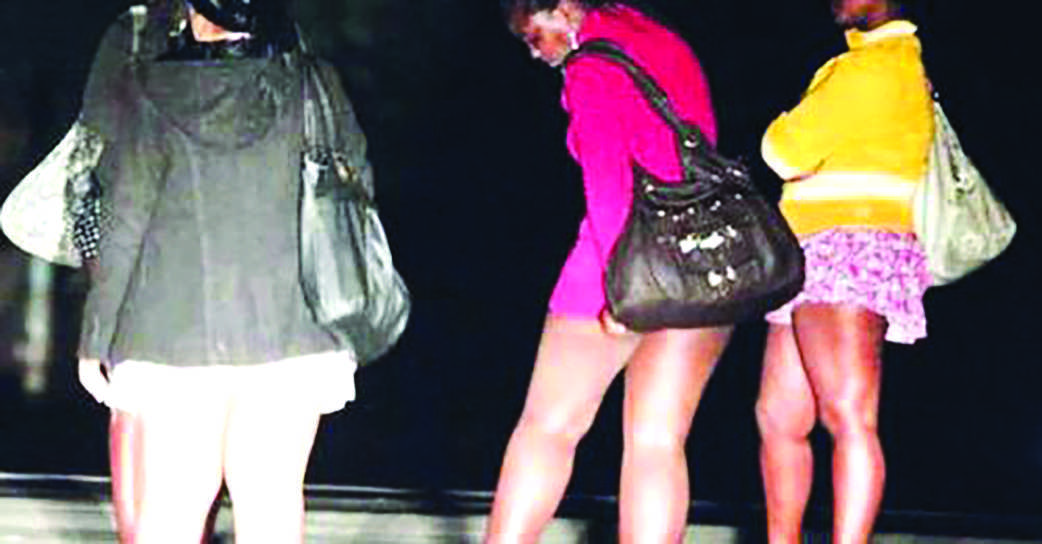
The study, conducted by the LPPA and the University of Johannesburg, focused on female sex workers in Maseru between June and July 2025. Through in-depth interviews with ten participants, researchers sought to understand what helps or hinders sex workers in starting and continuing PrEP, a daily pill that can prevent HIV infection.
Participants said their main motivations for taking PrEP were the desire to stay HIV negative, uncertainty about their partners’ HIV status and the risks they face at work. Many learned about PrEP from friends, health workers or outreach programmes, and reminders such as alarms or pillboxes helped them remember to take their pills.
However, stigma, fear of being identified as HIV positive and concerns about side effects made it difficult for some to stay on the medication. Other obstacles included food insecurity, mobility and trouble accessing PrEP at clinics, barriers that likely affect male sex workers as well.
Peer support and community-based outreach were shown to help sex workers stay on PrEP. The study recommends expanding digital reminders, improving access to PrEP across borders and making services more flexible to fit sex workers’ real lives, regardless of gender.
Summary
- Member of Parliament Mamello Phooko made an impassioned plea at the 14th National Health Research Symposium, held under the theme “Advancing Universal Health Coverage,” for Lesotho’s HIV response to support male as well as female sex workers.
- She explained that the study was designed to explore barriers and enablers to PrEP use among female sex workers, but that its ultimate goal is to inform programmes serving all sex workers in Lesotho.
- The study, conducted by the LPPA and the University of Johannesburg, focused on female sex workers in Maseru between June and July 2025.
Ntsoaki Motaung is an award-winning health journalist from Lesotho, specializing in community health stories with a focus on sexual and reproductive health and rights, as well as HIV. She has contributed to platforms like “Be in the KNOW,” highlighting issues such as the exclusion of people with disabilities from HIV prevention efforts in Lesotho.
In addition to her journalism, Ntsoaki serves as the Country Coordinator for the Regional Media Action Plan Support Network (REMAPSEN). She is also a 2023 CPHIA Journalism Fellow.