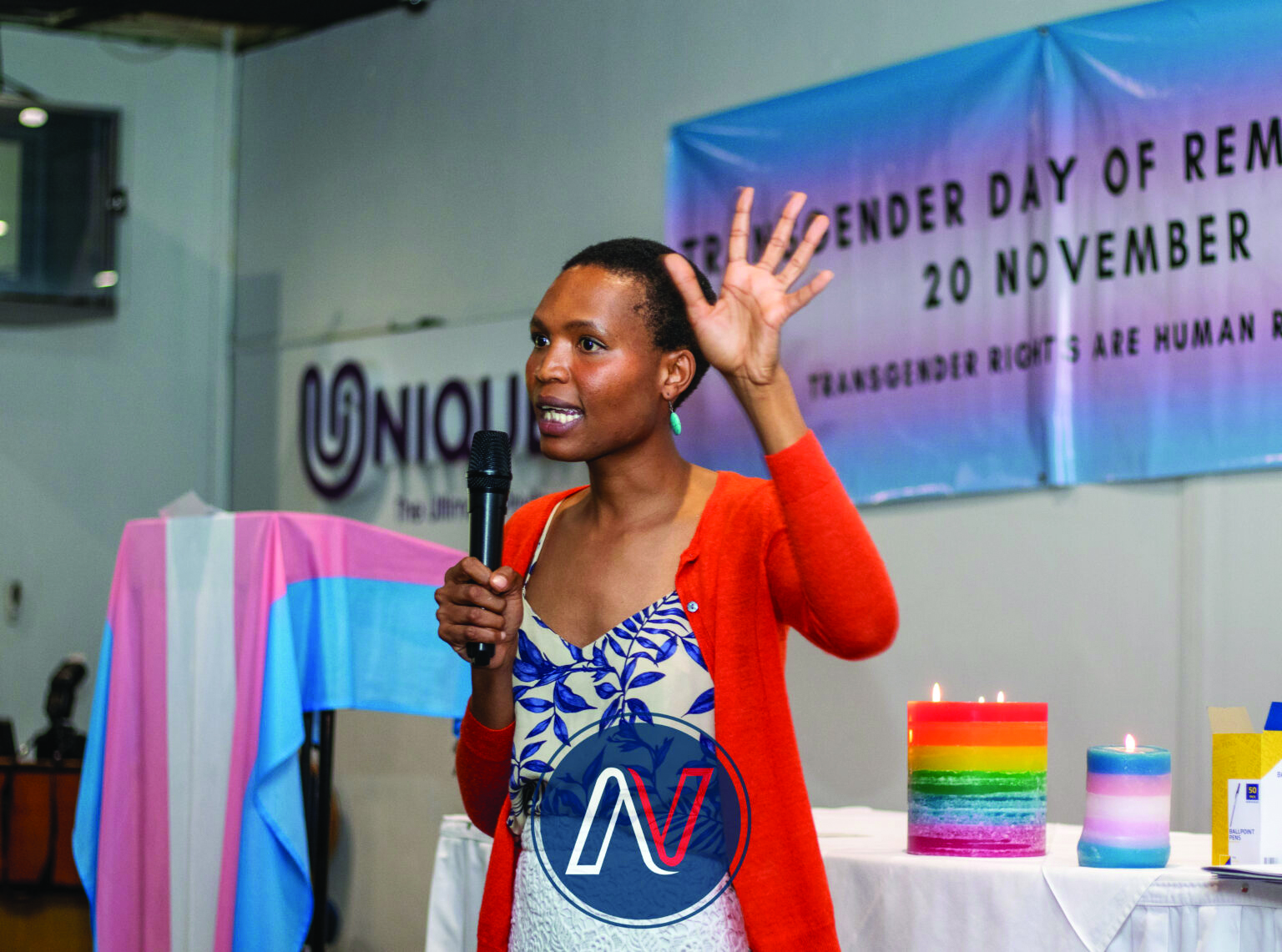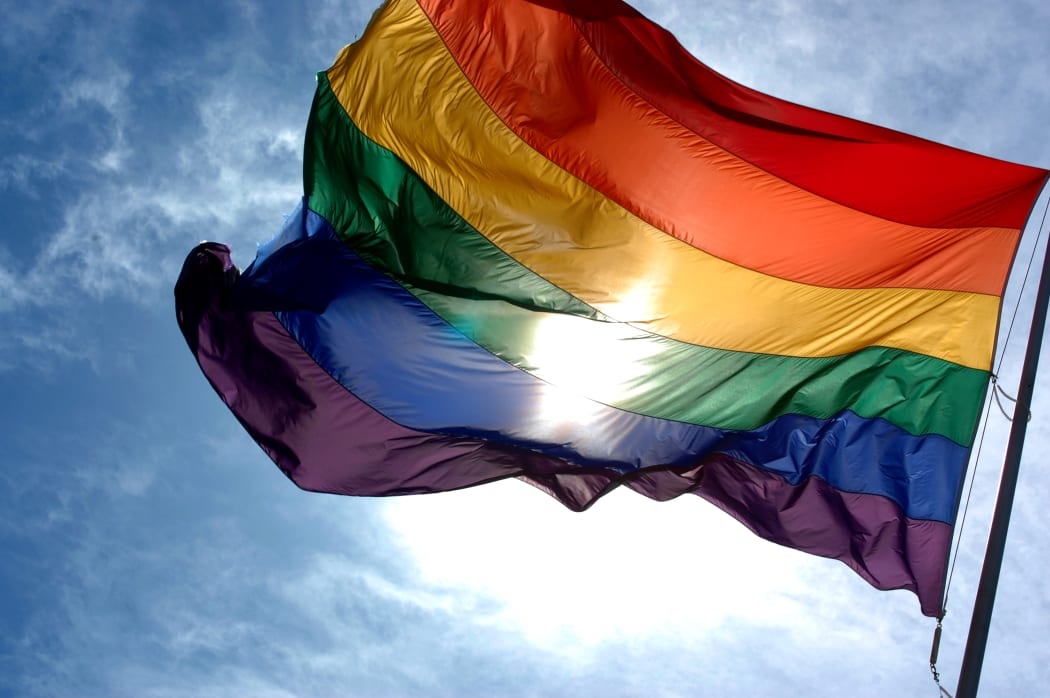

Pride, in Lesotho, is an annual celebration for the country’s LGBTQI+ community, featuring public marches, cultural performances, and advocacy. The Pride event was first held in Maseru in May 2013, the event blends queer visibility with Basotho traditions, aiming to dismantle social stigma, challenge colonial anti-sodomy laws, and assert human rights.
On 18 May, Pride was organised by The People’s Matrix Association (then MATRIX Support Group) to commemorate the International Day Against Homophobia, Transphobia and Biphobia (IDAHOT).
This year, the Pride event emphasises local integration—such as pairing rainbow flags with traditional Basotho blankets, hats, and thethana skirts. The 2026 theme centers on “Sovereign Bodies, Sovereign Nation.”
Pride event celebrates the lesbian, gay,bisexual, transgender, queer, intersex and asexual (LGBTQIA+) community and while bringing an awareness to their struggle for the enjoyment of equal rights. This celebration attracts the participation of the LGBTQIA+ members and it challenges the negative societal harms against this community.
The Pride Month is celebrated in June but Lesotho will celebrate in November. The United Nations (UN) has undertaken to protect the rights and dignity of this community. It has called for non-discrimination of everyone regardless of their sexual orientation and expression.
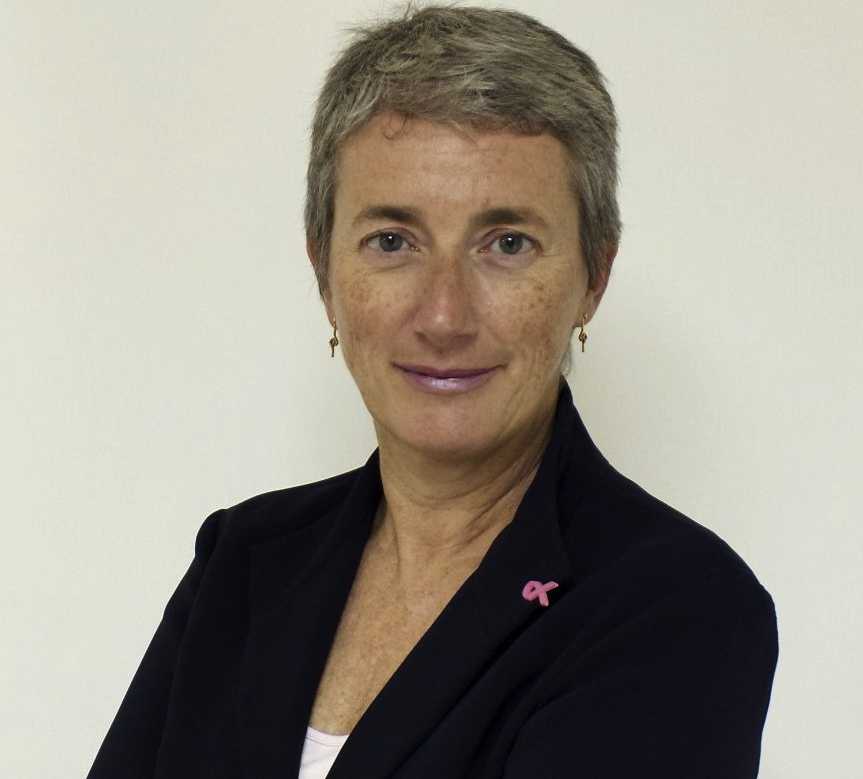
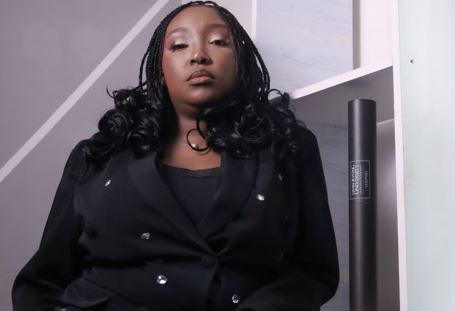
Our reporter, Thoboloko Ntšonyane had an exclusive interview with Irene Nchephe, Founder and Executive Director of Unlocking Love Foundation which organises Pride. She shares their thoughts and what they expect the public to take away from the Pride.
Thoboloko Ntšonyane (TN): What does the theme “Sovereign Bodies, Sovereign Nation” mean to you?
Irene Nchepe (IN): To me, “Sovereign Bodies, Sovereign Nation” means that every person has the right to exist, to make decisions about their own body and to live with dignity, without fear of discrimination or rejection. As LGBTQI+ people, we are part of this nation, and our identities should never make us feel as though we do not belong in our own country.
For me, sovereignty is not only about a nation’s independence, but also about the freedom of its people to live authentically. We cannot speak about a sovereign nation while some of its people still feel they have to hide who they are to be accepted. Pride is an opportunity to remind Basotho that LGBTQI+ people are part of our families, our workplaces, our communities and the future of this country. We are not asking to be treated as outsiders. We are asking to be recognised as human beings who deserve the same dignity, respect and freedom as everyone else.
TN: What do you hope people will take away from the Pride event?
IN: I hope people leave Pride with a better understanding of who we are and why this celebration matters. Pride is often reduced to what people see on the day, the colours, the music, the dancing and the march. But behind all of that are people who want to live, love, work and participate in society without being judged or discriminated against because of who they are.
This year’s Pride weekend is particularly exciting because it goes beyond the celebration itself. On Friday, 13 November, Queer WorX will host its first Phutheho Market, creating a platform for LGBTQI+ entrepreneurs to showcase their businesses and connect with the community. On Saturday, we will have the Pride March, followed by Pride Queer Joy, and later that evening, Unlocking Love Foundation, in collaboration with Other Village People (OVP), will introduce Same Sex Saturday (SSS) to Lesotho for the first time.
I hope people recognise that our community has so much more to offer than what is often portrayed. We are entrepreneurs, professionals, creatives, leaders and family members. I want people to leave understanding that Pride is about visibility, but it is also about economic opportunities, belonging, connection and the freedom to experience joy.
TN: What does feeling safe and welcome look like in everyday life for members of the LGBTIQ+ community?
IN: I think feeling safe should be something we experience in our everyday lives, not something we only experience during Pride. It means being able to walk down the street with your partner without worrying about being insulted or attacked. It means accessing healthcare without fear of being judged, going to work without hiding who you are, and being able to go home to a family that loves and accepts you.
It also means being able to report discrimination and trust that someone will take you seriously. Sometimes, people think inclusion is only about making statements or celebrating diversity during special events, but it is also about the small things we do every day, the language we use, how we treat others and whether we allow people to feel that they belong.
As an organisation, this is one of the reasons we place importance on mental health and psychosocial wellbeing. Constantly having to defend your identity or worry about how people will treat you can be emotionally exhausting. Everyone deserves the opportunity to live without that burden. I would love to see a Lesotho where an LGBTQI+ person does not have to think twice about whether it is safe to be themselves.
TN: What have you learned from earlier Pride events in Lesotho?
IN: One of the biggest things I have learned from previous Pride events is that we do have allies in Lesotho, and that gives me hope. However, I also believe we still need many more, particularly within the corporate sector and among institutions that have the resources and influence to make inclusion part of everyday practice.
Having had the opportunity to attend Soweto Pride and Johannesburg Pride, I have seen how Pride can grow into something that brings together communities, businesses, organisations and other stakeholders. Those experiences have made me think about what is possible for Lesotho. I would love to see a time when companies do not only show support during Pride month or attend an event, but also incorporate diversity and inclusion into their policies, workplace practices and long-term strategies.
I have also learned that we need to create more opportunities for families to be part of this journey. I want to see more parents not only accepting their LGBTQI+ children privately, but also standing beside them and celebrating with them. That kind of support can make a tremendous difference in someone’s life.
Another important lesson is that our community needs opportunities to grow beyond advocacy. We have talented entrepreneurs, creatives and professionals who deserve platforms to showcase their work. This year’s Phutheho Market is one example of how we can create those opportunities. I believe Pride should continue to grow into a space where we celebrate who we are while also building stronger, more connected and economically empowered communities.
TN: What kinds of support would help LGBTIQ+ people feel more included in their communities?
IN: I believe inclusion requires support at different levels. First, we need families to understand that acceptance can make a significant difference in the lives of LGBTQI+ people. Having a family that supports you, even when they are still learning, can help you feel less alone.
We also need more support from the corporate sector. I would love to see businesses partner with LGBTQI+-led organisations, support Pride activities, create fair employment opportunities and include diversity and inclusion in their organisational frameworks. Support does not always have to be financial. It can also mean offering professional opportunities, mentorship, business development support and platforms for LGBTQI+ entrepreneurs to reach wider audiences.
We need inclusive healthcare services, accessible mental health support, respectful treatment in educational institutions and workplaces, and stronger collaboration between civil society organisations and relevant institutions. Traditional leaders, churches and other community structures can also play a role by encouraging respectful dialogue and discouraging discrimination.
For me, economic inclusion is particularly important. This is why I am excited about the Phutheho Market and other initiatives that give LGBTQI+ entrepreneurs visibility. We cannot speak about inclusion without considering people’s ability to earn a living, build businesses and participate meaningfully in the economy.
Ultimately, I would like to see support that goes beyond words. We need people and institutions willing to take practical steps to ensure that LGBTQI+ people have opportunities, access to services and the freedom to participate fully in society.
TN: What would you like families, lawmakers and members of the public to understand about this event and members of the LGBTIQ+ community?
IN: I would like families, lawmakers and the public to understand that LGBTQI+ people are not separate from Basotho society. We are someone’s children, siblings, friends, colleagues and neighbours. We are part of the same communities, and we contribute to the same country.
To families, I would say that your support matters more than you may realise. You do not have to understand everything immediately to show your child love and respect. Sometimes, simply being willing to listen and keeping the door open can make all the difference. I hope that more parents will join us during Pride, not necessarily because they have all the answers, but because they want their children to know that they are loved.
To lawmakers, I would encourage continued attention to the dignity, safety and equal treatment of LGBTQI+ people. Our experiences should be considered when policies and services are developed, particularly in areas such as healthcare, mental health, education, employment and protection from discrimination. Every person deserves to access services and participate in society without being treated unfairly because of who they are.
To the wider public, I would ask that you look beyond the assumptions you may have about us. Pride is a celebration, but it is also an opportunity to learn, to listen and to recognise the humanity we share. This year’s activities, from supporting LGBTQI+ entrepreneurs at the Phutheho Market to marching together, celebrating queer joy and introducing Same Sex Saturday to Lesotho, demonstrate that our community is vibrant, creative and deserving of opportunities to thrive.
I hope people understand that we are not simply asking to be tolerated for one weekend. We want to belong in our communities throughout the year. We want to work, build businesses, raise families, access services and contribute to our country’s development without having to hide who we are.
At the end of the day, Lesotho belongs to all of us. If we are truly committed to building a nation where everyone can thrive, then the dignity and wellbeing of LGBTQI+ people must be part of that conversation.
Summary
- Pride is often reduced to what people see on the day, the colours, the music, the dancing and the march.
- On Saturday, we will have the Pride March, followed by Pride Queer Joy, and later that evening, Unlocking Love Foundation, in collaboration with Other Village People (OVP), will introduce Same Sex Saturday (SSS) to Lesotho for the first time.
- I want people to leave understanding that Pride is about visibility, but it is also about economic opportunities, belonging, connection and the freedom to experience joy.
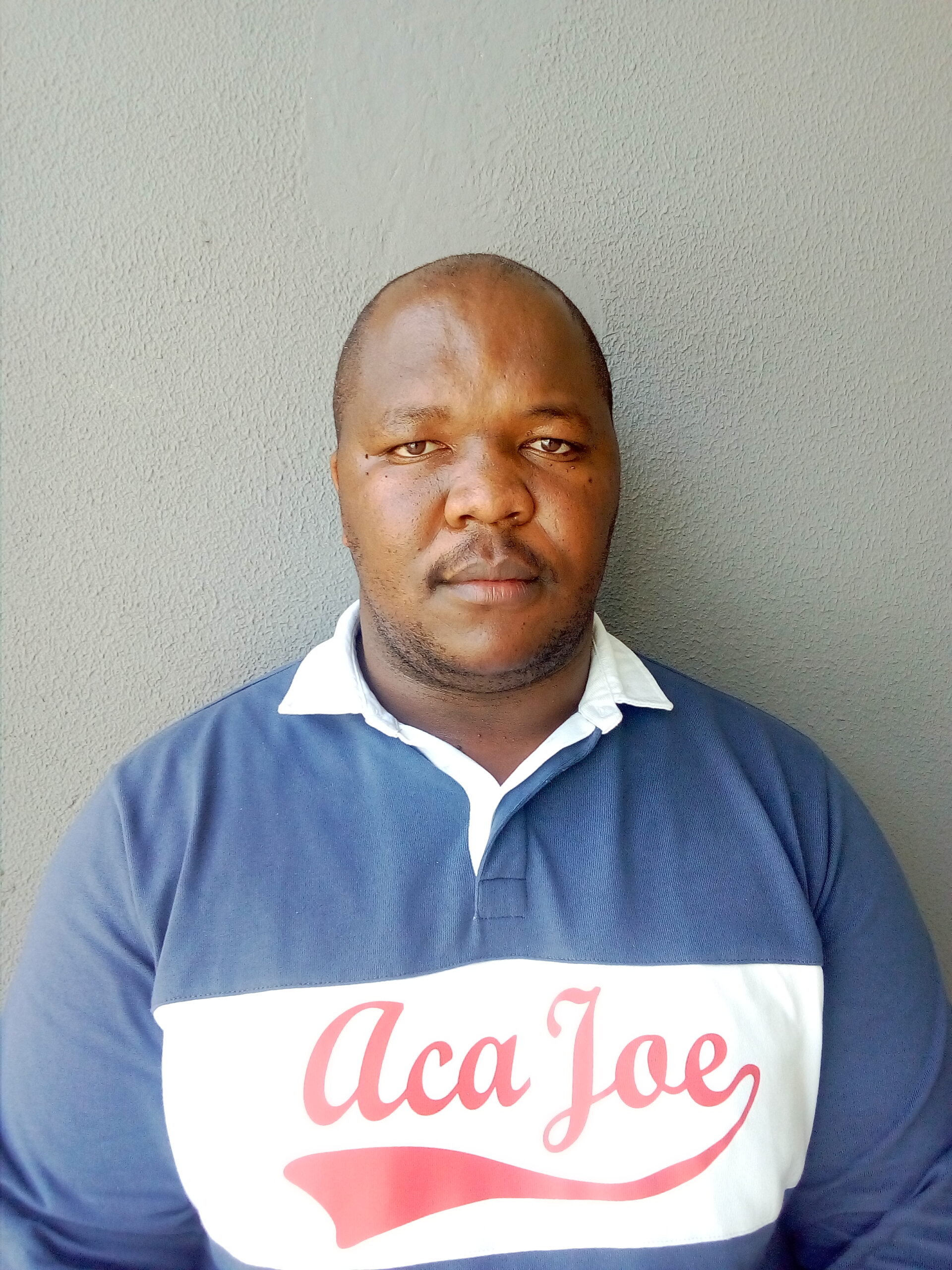
Thoboloko Ntšonyane is a dedicated journalist who has contributed to various publications. He reports on accountability, human rights, exposes corruption and wrong doing by those in power. He reports have exposed corruption, abuse of power, fraud, misconduct and negligence. He subscribes to evidence-based reporting. He reports on governance, parliament, courts, climate change, human rights, sexual and reproductive health rights (SRHR), health, business and agriculture. He gives a voice to the marginalised while also demanding accountability. His work inspires change, triggers dialogue and also promote transparency in a society.