

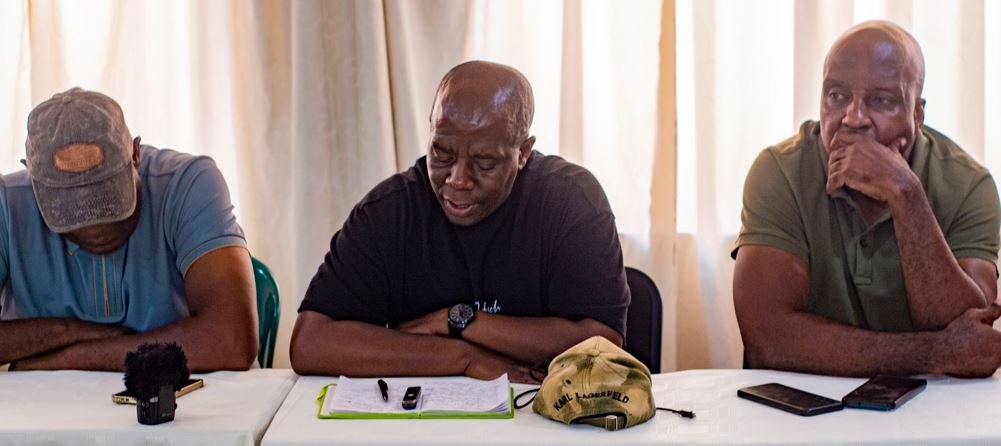
The government’s plan to put Ugandan electric buses on the road for factory workers is heading for a clash with the people who already run Lesotho’s public transport.
Taxi operators this week said they will not accept it, and have threatened to March on 11 Decemebr 2026 to the Prime Minister Ntsokoane Matekane.
The operators are organised under three regional associations including Bochabela Transport Operation Region and Maseru Regional Transport Operators (MRTO). They want government to drop the plan.
They warn that state-owned buses would take passengers and business from existing operators, cost jobs and create unfair competition with private transport.
The government recently announced that it has procured 20 buses from Uganda’s state-owned Kiira Motors Corporation. Ugandan President Yoweri Museveni has also pledged five more. The buses are expected to arrive next March.
Foreign Affairs and International Relations Minister Limpho Tau and Public Works and Transport Minister Matjato Moteane, with senior officials, met Museveni and delivered a message from the Prime Minister about the purchase.
The value of the deal has not been made public. Online estimates put each bus at between US$120,000 (about M2 million) and US$134,000 (about M2.3 million). That would value the fleet at roughly M41.4 million to M46.2 million.
Operators say the government has not handled the matter well. Tripartite regional secretary Bataung Thulo said the associations met Minister Moteane on 25 September 2026, when he told them of the government’s intention to buy a fleet. They listened and went back to their members. A follow-up meeting was held on 29 October.
This week, Thulo said, the Minister told them the Prime Minister wanted to meet them. When they were ready, they were told the meeting would no longer happen. Then, to their dismay, Prime Minister Ntsokoane Matekane announced at Belo Industrial in Botha-Bothe that buses had been bought. Some, he said, would go to Botha-Bothe to ferry factory workers.
Tripartite chairperson Mokete Jonase said the government must engage everyone in the sector, from 4+1 taxis and sprinters to buses, and that all of them must have a say. He said operators would march to the Prime Minister on 11 December 2026 to present a petition.
Jonase also argued that taxis already carrying factory workers hold permits, and that buses would put those drivers out of work and add to unemployment. Taxis, he noted, are already assigned to the routes and are permitted to carry both factory workers and students.
“We are prepared to march,” Jonase said.
Lebohang Moea of the MRTO echoed these concerns. He said one bus carrying 100 people could replace 25 4+1 taxis and leave 31 people without jobs.
Moea said operators were prepared to challenge the government “by hook or by crook”.
“We don’t want the buses,” he said.
Operator Litšiba Mahloka questioned the spending. He argued the money would be better invested in factories to expand production and attract further investment, or used to improve workers’ salaries.
He said the plan would hurt not only transport operators but also other businesses, such as filling stations. He criticised the Prime Minister’s decision as “bad” and urged him to reverse it.
The government’s own statements leave questions open. Mojai Materase, from the Ministry of Public Works and Transport’s public relations department, said the Ministry had no budget to purchase the fleet. That sits awkwardly beside the announcement that buses have already been bought, and it raises the question of how the purchase is being financed.
Materase added that the government was in ongoing talks with stakeholders in the public transport industry. Government spokesperson Boitelo Rabele said the same in an interview, saying the government continued to engage stakeholders on the issue.
Operators said that is not their experience. They said they were told of the decision, promised a meeting and then watched the announcement happen without them.
The dispute now centres on how factory workers should travel. Operators warned that introducing buses could have wider consequences for public transport businesses and employment.
It remains to be seen whether the government can expand access to affordable public transport without undermining existing businesses and livelihoods. With a march planned for 11 December and buses due in March, it has little time to bring the operators on board.
Summary
- The government’s plan to put Ugandan electric buses on the road for factory workers is heading for a clash with the people who already run Lesotho’s public transport.
- Tripartite regional secretary Bataung Thulo said the associations met Minister Moteane on 25 September 2026, when he told them of the government’s intention to buy a fleet.
- Tripartite chairperson Mokete Jonase said the government must engage everyone in the sector, from 4+1 taxis and sprinters to buses, and that all of them must have a say.
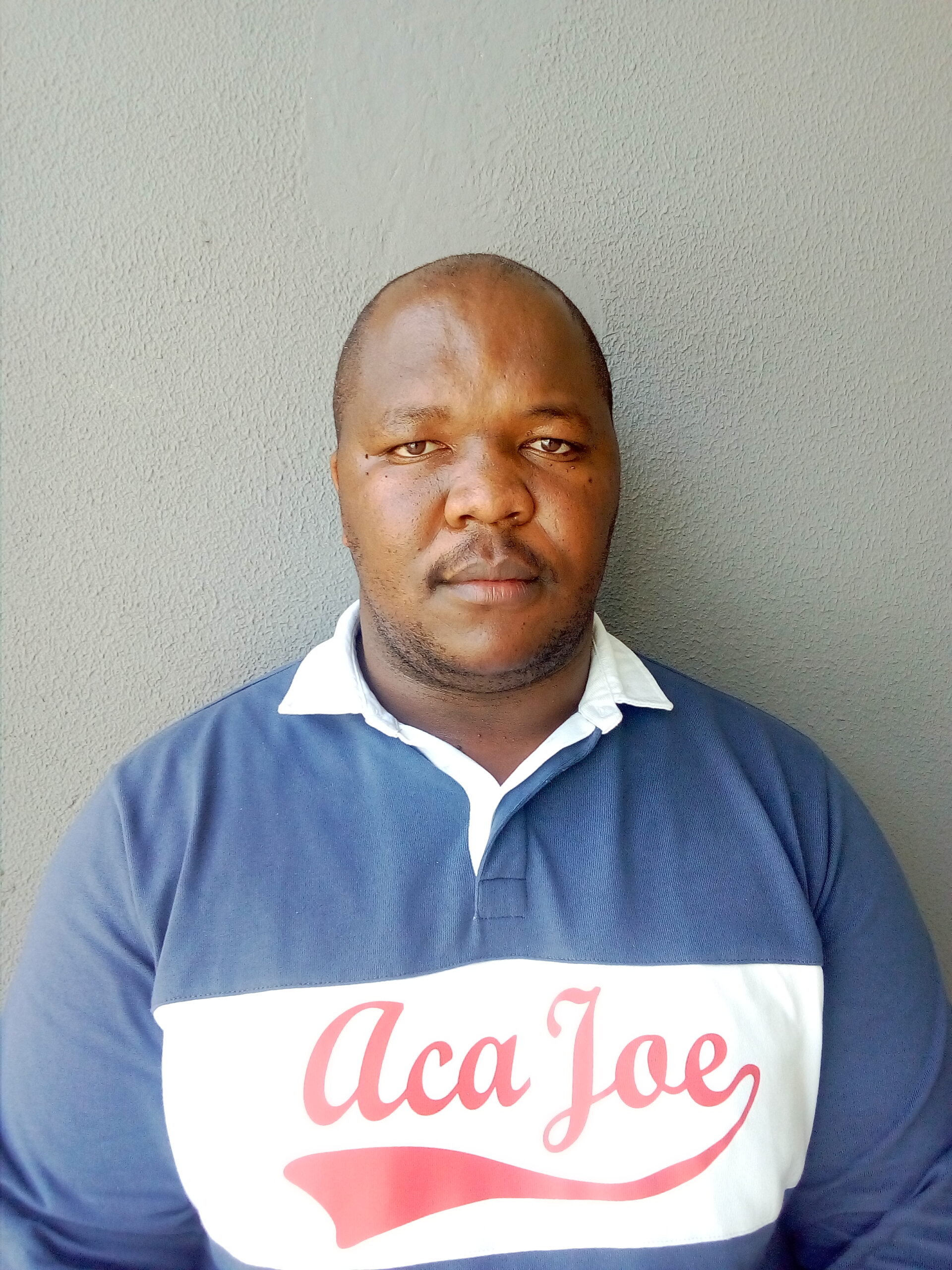
Thoboloko Ntšonyane is a dedicated journalist who has contributed to various publications. He reports on accountability, human rights, exposes corruption and wrong doing by those in power. He reports have exposed corruption, abuse of power, fraud, misconduct and negligence. He subscribes to evidence-based reporting. He reports on governance, parliament, courts, climate change, human rights, sexual and reproductive health rights (SRHR), health, business and agriculture. He gives a voice to the marginalised while also demanding accountability. His work inspires change, triggers dialogue and also promote transparency in a society.