
Communities whose livelihoods have been disrupted by the Lesotho Highlands Water Project (LHWP) are demanding that the long-awaited review of the Lesotho–South Africa Treaty be driven by their interests, warning that development imposed without their meaningful participation has left many poorer, displaced, and marginalised.
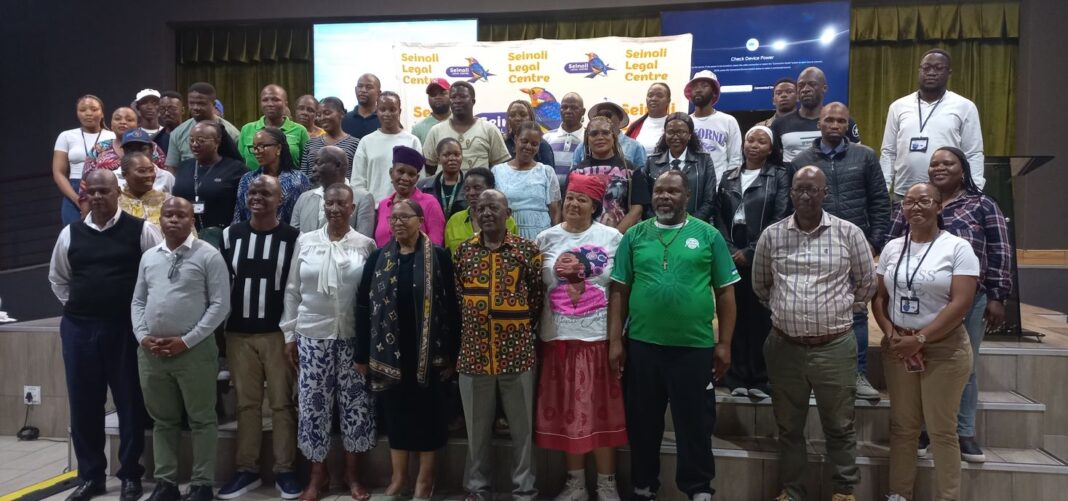
The call was made during the recently concluded third Stakeholders’ Conference on Human Rights and Development, convened over two days by the Seinoli Legal Centre, a local non-governmental organisation that supports communities affected by large-scale development projects to safeguard their social, economic, and environmental rights.
Affected community members said they want to be placed at the centre of the treaty review process, arguing that decisions about dams, roads, and related infrastructure have historically been made without adequately considering their lives, livelihoods, and long-term well-being.
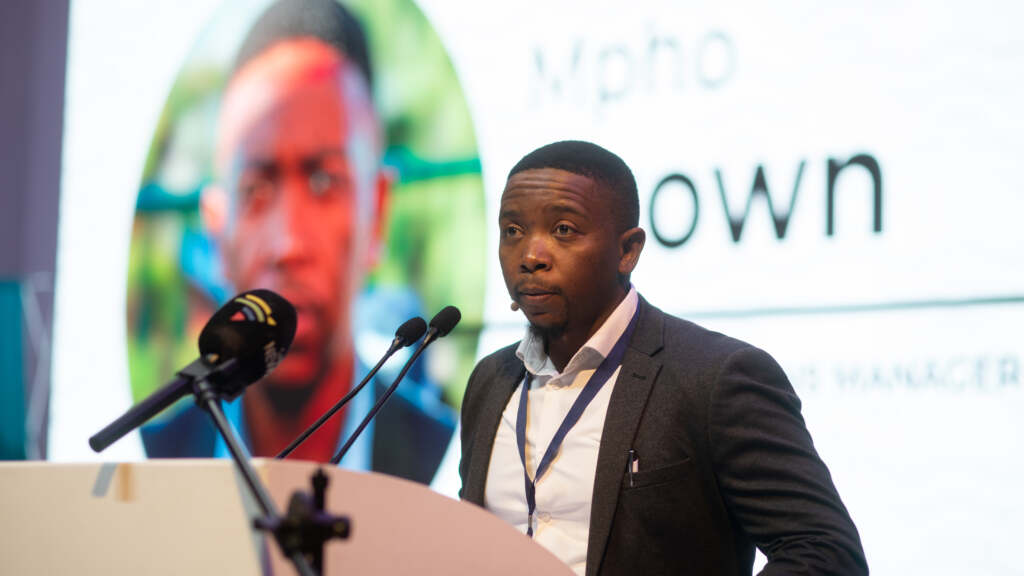
Acting Executive Director of Seinoli Legal Centre, Advocate Lepeli Moeketsi, said the conference was held under the theme “From Advocacy to Action: Building Inclusive Pathways for Human Rights and Development.”
“We gather here as part of our collective effort to support government in ensuring that its call for, and implementation of, the review of the Lesotho Highlands Water Project Treaty is firmly grounded in human rights and in the voices of affected communities,” Moeketsi said.
“It is not for us to review the Treaty. That responsibility lies with the government, but communities must be heard.”
Lecturer at the National University of Lesotho (NUL), Setšabi Setšabi, argued that Basotho were historically sidelined when the Treaty was negotiated and must now be given a meaningful opportunity to reshape it.
“When the Treaty was prepared and signed, South Africa had the upper hand,” he said. “Basotho must now be present at all levels, from grassroots communities to professionals, so the Treaty can truly benefit the people.”
The Treaty provides for review every 12 years. It was signed in October 1986 during the military junta in Lesotho and commits both governments to the implementation and operation of the project, rolled out in phases.
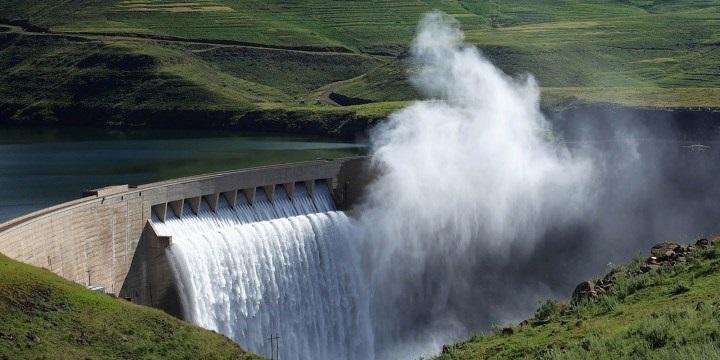
While South Africa benefits from water transfers, Lesotho benefits from infrastructure such as roads and bridges, as well as hydropower generation. Article 4(1) of the Treaty states that the purpose of the project is to regulate and divert water from the Senqu/Orange River system to South Africa while utilising the delivery system to generate hydro-electric power in Lesotho.
However, speakers at the conference argued that these macro-level benefits have come at a heavy cost for local communities.
Participants emphasised that the project includes obligations relating to environmental protection, compensation, and resettlement, yet many affected households continue to struggle years after relocation. They argued that when people are excluded from decisions that directly affect their lives, development outcomes tend to be unjust and unsustainable.
Sustainability emerged as a central concern, with affected communities insisting that development must respond to their social, economic, and cultural realities if it is to endure.
Nthakeng Selinyane, one of the panellists, said it is critical to understand how communities sustained themselves before the construction of LHWP infrastructure.
“Livelihoods are not just about income,” Selinyane said. “They include land, grazing, farming, fishing, everything people relied on to support their families.”
Affected residents said that before construction began, they had access to fields and rangelands for grazing. Today, many have lost that land, forcing some to sell livestock to survive.
‘Malerato Pule, who was relocated during the construction of the Mohale Dam, said she was moved to Ha Thetsane in Maseru to make way for the project. Another affected resident, Lakabane Mokoatsi, who was relocated from Mohale and now lives in Thuathe, Berea, said several promises made to the community were never fulfilled.
“I was promised access to water, but I still have to buy it,” Mokoatsi said. He added that the loss of grazing land forced him to sell part of his livestock.
Communities also called for soil testing to be conducted before relocation and at resettlement sites to ensure they can continue farming. Where soil is unsuitable, they said alternative arrangements should be made.
Investigative journalist Billy Ntaote of the MNN Centre for Investigative Journalism highlighted the loss of fishing livelihoods. Ntaote said that before the construction of dams, communities relied on fishing for income, but strict controls have since been imposed.
“Local communities are restricted on when and how much they can fish, while big businesses are allowed to operate in dams like Katse,” Ntaote said. “That disadvantages local people and weakens local economies.”
Some participants proposed that land used for LHWP infrastructure should be leased to communities, allowing them to hold shares and receive monthly rentals as compensation for disrupted livelihoods.
Gender equality and social inclusion expert Dr ’Mamoeketsi Ntho challenged communities to be assertive and organised.
“Communities must form cooperatives and demand sustainable projects,” she said, citing fishing and agricultural cooperatives that could benefit from shade nets, underground irrigation, and even hydroponic farming to ensure year-round food production.
Relocated residents also raised concerns about deteriorating living conditions. ’Mathabelang Pitseng, now living in Lesia after being moved from Ha-Mohale, complained of water pollution and flooding.
“When the river overflows, it floods into our homes,” she said. “We feel abandoned despite promises of better living conditions.”
It also emerged during discussions that poverty and unemployment have exposed some community members to sexual exploitation.
Organisational Development Manager at Seinoli Legal Centre, Lerato Rabatho, said there is a serious lack of data on the lived realities of affected communities. She revealed that no comprehensive study was conducted even during Phase I of the project.
“When we enquired, we realised that from Phase I there was no proper study to understand the situation of the people,” Rabatho said.
In August this year, the Lesotho Highlands Development Authority (LHDA) announced it had disbursed more than M154 million in compensation to communities affected by Phase II construction activities.
Minister of Natural Resources Mohlomi Moleko, speaking at the conference, said he and his South African counterpart, Pemmy Majodina, have directed that all outstanding compensation claims must be settled by the end of March 2026.
The push for accountability gained further momentum following a recent Court of Appeal judgment ordering that 600 affected people be compensated. The court ruled that LHDA has a legal duty to compensate communities affected by the LHWP, a duty guaranteed by the Constitution, the LHWP Treaty, and the Lesotho Highlands Development Authority Order of 1986.
The court made it clear that this responsibility cannot be avoided or delayed by government or administrative policies.
Summary
- The call was made during the recently concluded third Stakeholders’ Conference on Human Rights and Development, convened over two days by the Seinoli Legal Centre, a local non-governmental organisation that supports communities affected by large-scale development projects to safeguard their social, economic, and environmental rights.
- “We gather here as part of our collective effort to support government in ensuring that its call for, and implementation of, the review of the Lesotho Highlands Water Project Treaty is firmly grounded in human rights and in the voices of affected communities,” Moeketsi said.
- Article 4(1) of the Treaty states that the purpose of the project is to regulate and divert water from the Senqu/Orange River system to South Africa while utilising the delivery system to generate hydro-electric power in Lesotho.
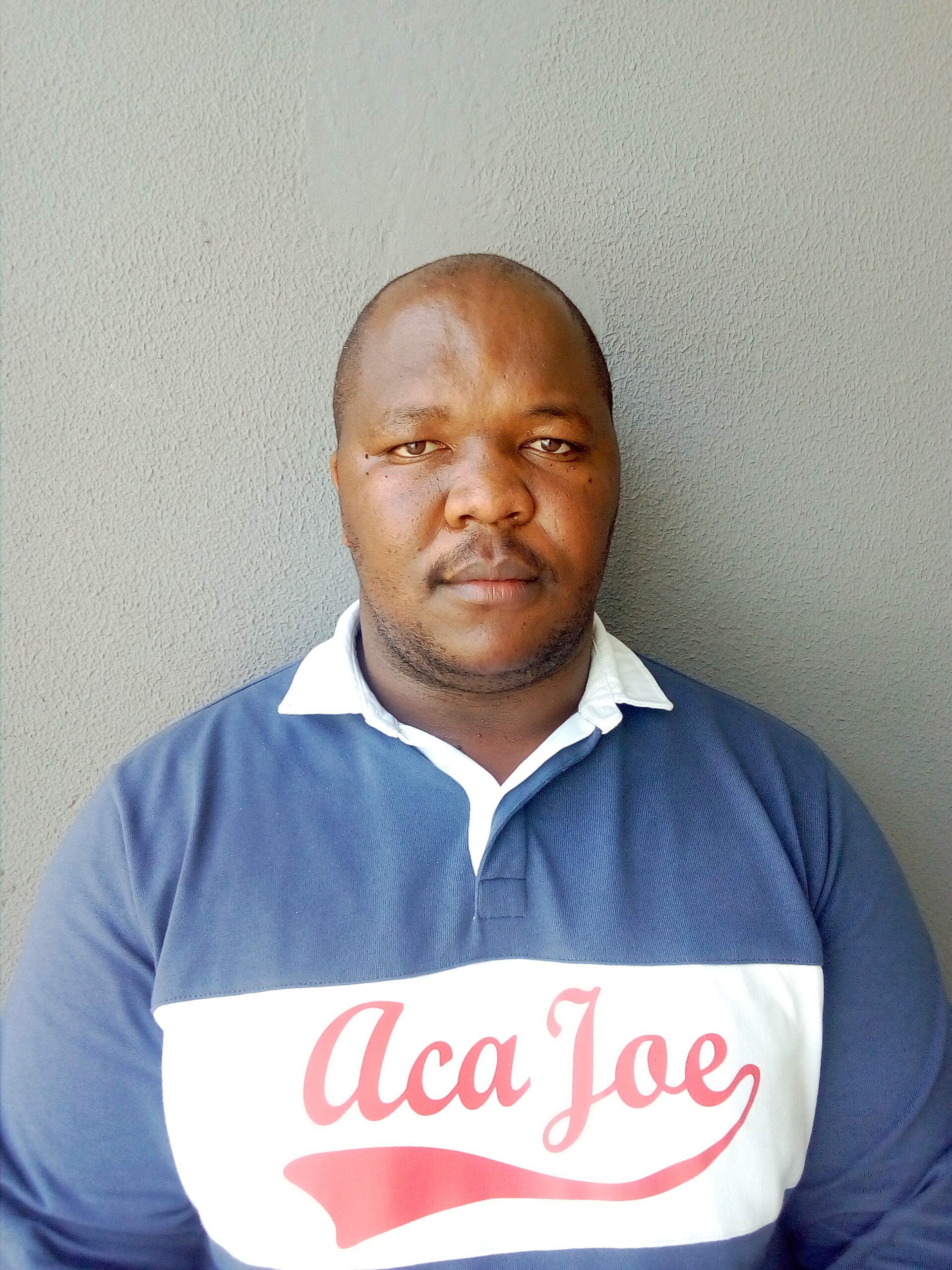
Thoboloko Ntšonyane is a dedicated journalist who has contributed to various publications. He focuses on parliament, climate change, human rights, sexual and reproductive health rights (SRHR), health, business and court reports. His work inspires change, triggers dialogue and also promote transparency in a society.