
As the global community marked World Health Day 2026 on April 7, the spotlight turned to Africa as a hotspot for emerging and re-emerging diseases, with experts warning that the continent faces a convergence of escalating health threats.
Despite notable scientific progress, global health leaders say Africa remains at a critical juncture, grappling with a complex mix of persistent diseases, climate-related risks, and systemic inequalities that continue to strain health systems.
This year’s theme, “Together for health: Stand with science,” coincided with discussions around the One Health Summit 2026 held in Lyon. The summit underscored a growing consensus that human, animal, and environmental health are deeply interconnected, a relationship increasingly threatened by zoonotic diseases, food insecurity, and antimicrobial resistance.
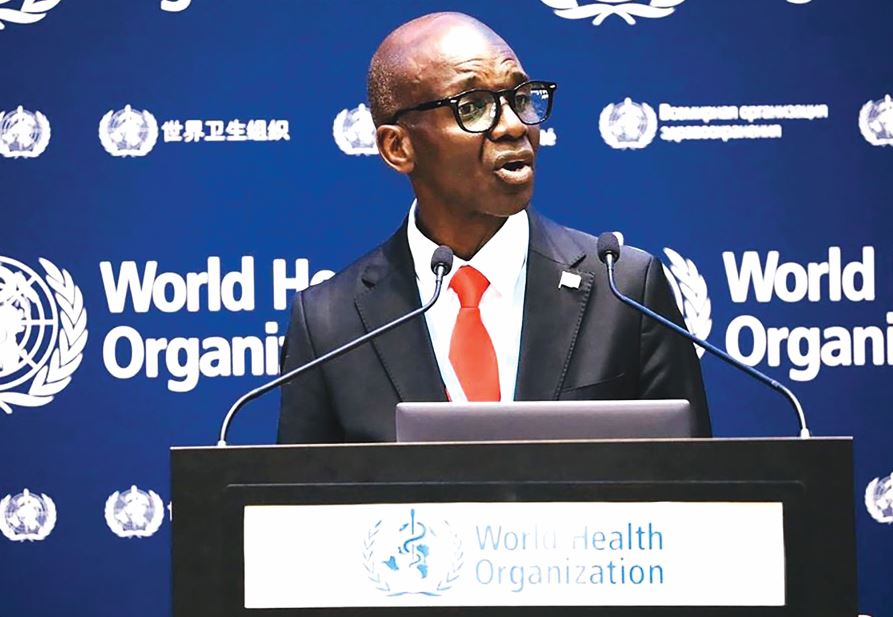
In a statement, World Health Organisation (WHO) Regional Director for Africa, Dr. Mohamed Janabi, acknowledged that while science has helped transform HIV into a manageable condition and contributed to reductions in maternal mortality, the region’s health systems remain under significant pressure.
“Our region faces a complex web of challenges, persistent diseases, emerging health threats, and strained health systems,” Janabi said, stressing that the One Health approach, coordinating efforts across human, animal, and environmental sectors, is no longer optional, but essential.
During a recent webinar organised by REMAPSEN and Galien Africa, experts highlighted Africa’s unique vulnerability to these overlapping crises.
Prof. Awa Marie Coll Seck called for urgent, multidisciplinary action to address the continent’s health challenges at their root.
While technological innovation offers hope, access remains a major barrier. Diene Keita noted that tools such as portable ultrasound devices and self-administered contraceptives could significantly improve outcomes, yet gaps in women’s health continue to undermine progress.
“Women spend 25 percent more time in poor health than men,” Keita said, adding that nearly 260,000 women die each year from preventable pregnancy-related complications. She argued that closing this gap could unlock up to $1 trillion annually by 2040, but pointed out that only 7 percent of global research focuses on conditions unique to women.
The push for “African-led science” also emerged as a key theme. Prof. Issakha Diallo emphasised the need for local innovation, regulatory autonomy, and investment in human capital.
“Local technologies would provide better solutions for the continent,” Diallo said, underscoring the importance of developing homegrown expertise to respond effectively to modern health crises.
Meanwhile, Prof. Salome Bukachi highlighted the importance of community inclusion, invoking the principle “Nothing for us without us.” She warned that without meaningful public participation, even the most advanced scientific interventions risk failing at the implementation stage.
The WHO has called on African governments to increase domestic investment in research and innovation, describing it as a critical pillar for strengthening health security across the continent.
Summary
- As the global community marked World Health Day 2026 on April 7, the spotlight turned to Africa as a hotspot for emerging and re-emerging diseases, with experts warning that the continent faces a convergence of escalating health threats.
- “Our region faces a complex web of challenges, persistent diseases, emerging health threats, and strained health systems,” Janabi said, stressing that the One Health approach, coordinating efforts across human, animal, and environmental sectors, is no longer optional, but essential.
- The WHO has called on African governments to increase domestic investment in research and innovation, describing it as a critical pillar for strengthening health security across the continent.
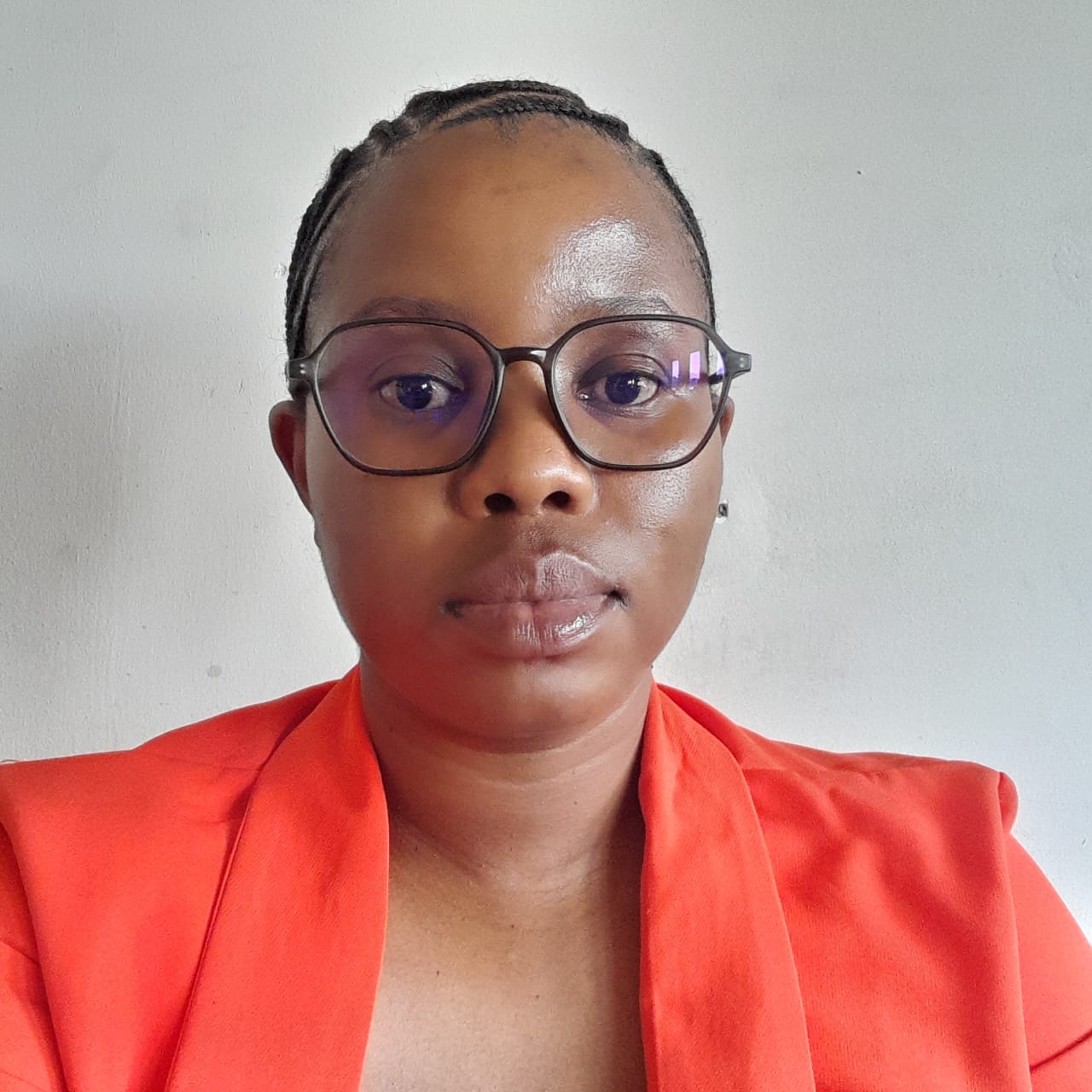
Ntsoaki Motaung is an award-winning health journalist from Lesotho, specializing in community health stories with a focus on sexual and reproductive health and rights, as well as HIV. She has contributed to platforms like “Be in the KNOW,” highlighting issues such as the exclusion of people with disabilities from HIV prevention efforts in Lesotho.
In addition to her journalism, Ntsoaki serves as the Country Coordinator for the Regional Media Action Plan Support Network (REMAPSEN). She is also a 2023 CPHIA Journalism Fellow.